
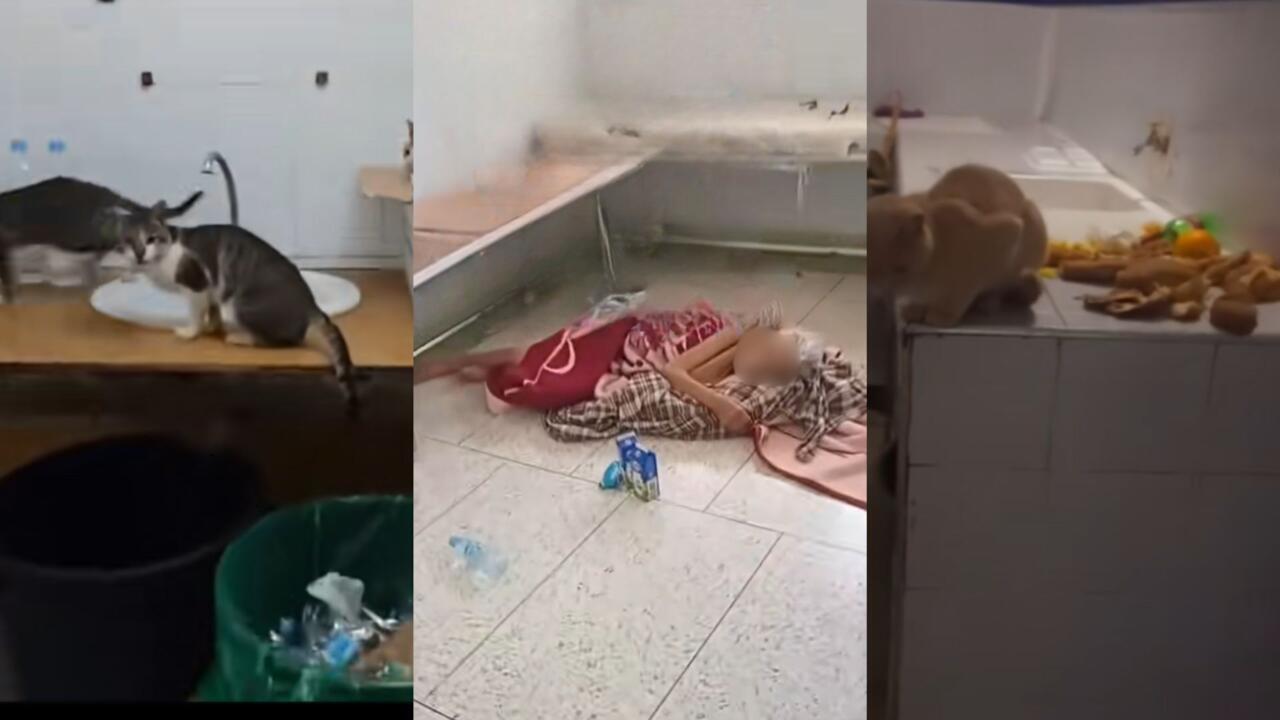
Morocco’s Public Healthcare system Faces a Crisis of Trust and Resources
Morocco’s public hospitals are grappling with a deepening crisis, marked by critical resource shortages and a growing erosion of public trust.These challenges are creating a tense environment for both healthcare providers and patients, demanding urgent attention and systemic reform.
A system Under Strain
Healthcare professionals are experiencing immense pressure, leading to burnout and declining morale. Exhausting working conditions are a important factor, as staff struggle to deliver quality care amidst constant limitations. It’s a frustrating reality when highly skilled experts lack the necessary tools to effectively perform their jobs.
This resource scarcity is directly contributing to increased patient frustration and, in some cases, escalating violence. Security measures, like bolting furniture to the floor, are becoming commonplace in admission areas – a stark illustration of the deteriorating situation.
The Root of the Problem: Distrust and Despair
Patient aggression isn’t simply about isolated incidents; it stems from a deeper sense of despair and a loss of faith in the system. Corruption and systemic dysfunction are fueling this distrust, leaving many Moroccans feeling abandoned by the healthcare infrastructure meant to serve them.
Consequently, people are increasingly turning to public hospitals only as a last resort, often relying on a few trusted doctors within the system. This highlights a critical breakdown in the overall patient experience and a concerning lack of confidence in the broader healthcare network.
A Complete Reform Plan is Unveiled
Recognizing the severity of the situation, a national health system reform was recently presented to Parliament. This ambitious plan aims to address the core issues plaguing the sector through modernization,increased staffing,and improved governance.
Here’s a breakdown of the key components:
* Infrastructure Development: Construction of a new university hospital is planned.
* Increased Capacity: Over 3,500 new beds will be added to existing facilities.
* Facility Upgrades: 1,400 health centers will undergo renovation.
* Regional Hospital Modernization: Existing regional hospitals will receive necessary upgrades.
* Regulatory Oversight: new regulatory bodies will be established to ensure accountability.
* departmental Overhaul: Failing hospital departments will be restructured and improved.
what This Means for You
If you are a resident of Morocco, these reforms represent a potential turning point for the healthcare system. The proposed changes aim to create a more accessible, reliable, and trustworthy healthcare experience for everyone.
However, successful implementation will be crucial.It requires not only financial investment but also a commitment to transparency, accountability, and a genuine focus on the needs of both patients and healthcare professionals.
Looking Ahead
The challenges facing Morocco’s public healthcare system are significant, but not insurmountable. By addressing the root causes of distrust, investing in resources, and prioritizing systemic reform, the nation can work towards a future where all citizens have access to quality, compassionate care. The success of this plan will depend on consistent effort and a dedication to building a healthcare system that truly serves the people of Morocco.


