
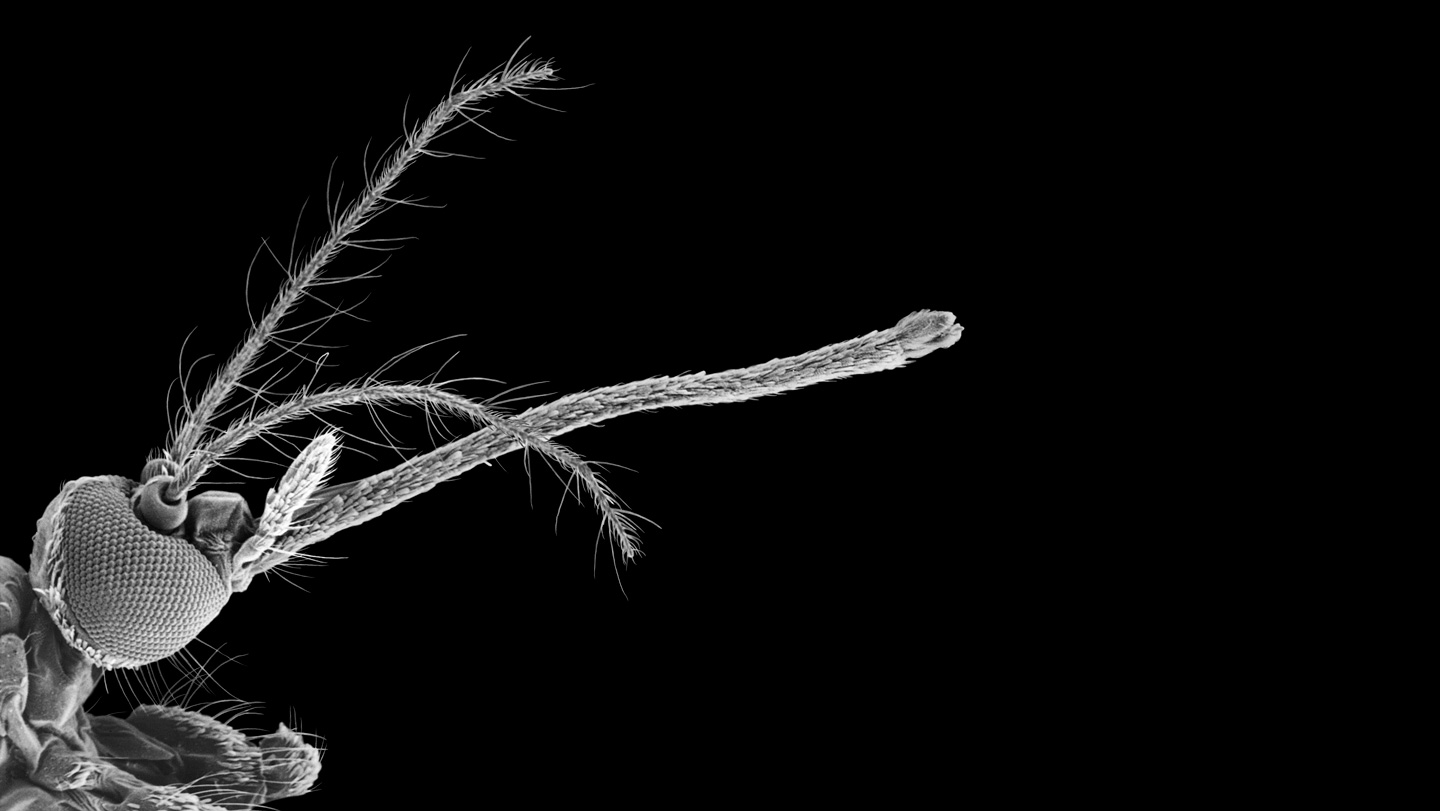
From Mosquito to micro-Printer: Pioneering 3D “Necroprinting” for a New era of Precision
Imagine a 3D printer nozzle so precise it can create structures thinner than a human hair. Now, imagine that nozzle isn’t engineered – it’s a mosquito’s proboscis. A groundbreaking new approach, dubbed “3D necroprinting,” is turning this concept into reality, offering a lasting and cost-effective pathway to micro-scale 3D printing.
This isn’t science fiction. Researchers are harnessing the power of nature, specifically repurposing biological components from animals, to revolutionize advanced manufacturing. Let’s dive into how this works, why it matters, and what the future holds for this fascinating field.
The Rise of Necrobotics: building with Biology
The core concept stems from “necrobotics,” a burgeoning field that utilizes deceased animal parts in high-tech applications. Think spider legs transformed into robotic grippers – a testament to nature’s ingenious designs. This approach isn’t about creating morbid robots; it’s about leveraging pre-existing,highly optimized structures.
Researchers, led by Changhong Cao at McGill University, identified the female Aedes aegypti mosquito’s proboscis as an ideal candidate for a 3D printing nozzle. Why? It’s unique geometry and mechanics offer unparalleled precision.
* Naturally Precise: The proboscis boasts an inner diameter of just 10-20 micrometers – roughly half the width of a human hair.
* built to Withstand Pressure: It’s naturally designed to handle the forces required to pierce skin, making it surprisingly robust for ink delivery.
* Straightforward Geometry: Its relatively straight structure simplifies integration into a printing system.
Achieving Micro-Scale Precision: 20 Micrometers and Beyond
Using the mosquito proboscis, Cao’s team achieved printing lines as fine as 20 micrometers.This level of detail opens doors to applications previously limited by the capabilities of conventional 3D printing nozzles.
“Dispense tips can be expensive and hard to build,” explains Daniel Preston, a mechanical engineer at Rice University, who wasn’t involved in the study. “Using parts that nature has already created can definitely help ‘democratize’ 3-D printing, by lowering costs and removing barriers to entry.”
This democratization is key. Access to high-resolution 3D printing is frequently enough restricted by the cost of specialized equipment. Necroprinting offers a potential solution, making this technology more accessible to researchers and innovators.
Building a Printer Around Biology
The team initially attempted to integrate the proboscis into existing commercial 3D printers.however,they discovered that the pressure requirements for the biological component exceeded the capabilities of standard machines.
Instead, they took a novel approach: they designed a printer around the mosquito proboscis. This involved:
- Stabilization: Coating the proboscis with a 3D resin to enhance its structural integrity.
- integration: Attaching it to an engineered tip to create a seamless pathway for ink flow.
This custom design allowed them to fully harness the proboscis’s potential.
Demonstrating the Potential: From Honeycombs to Bio-Scaffolds
To showcase the necrobotic tip’s capabilities, the researchers printed several intricate structures using commercially available bioink:
* A honeycomb pattern.
* A detailed maple leaf outline.
* A scaffold designed to support biological cell samples.
The results were striking.The mosquito proboscis consistently outperformed commercially available nozzles, which typically have inner diameters of 35-40 micrometers.
“This biological, nature-derived sample is much better than engineered material,” notes coauthor Jianyu Li, a biomaterials engineer at McGill.
Sustainability and the Future of 3D Printing
Beyond precision and cost-effectiveness, necroprinting offers a meaningful sustainability advantage. By repurposing biological materials, it reduces reliance on resource-intensive manufacturing processes.
“Substituting biotic parts for engineering components also boosts sustainability in advanced microengineering,” Preston adds. “I’m looking forward to seeing other biotic materials incorporated in the 3-D printing process to enable new capabilities.”
Biomedical Applications on the Horizon
The potential applications of this technology are vast,but Li’s





