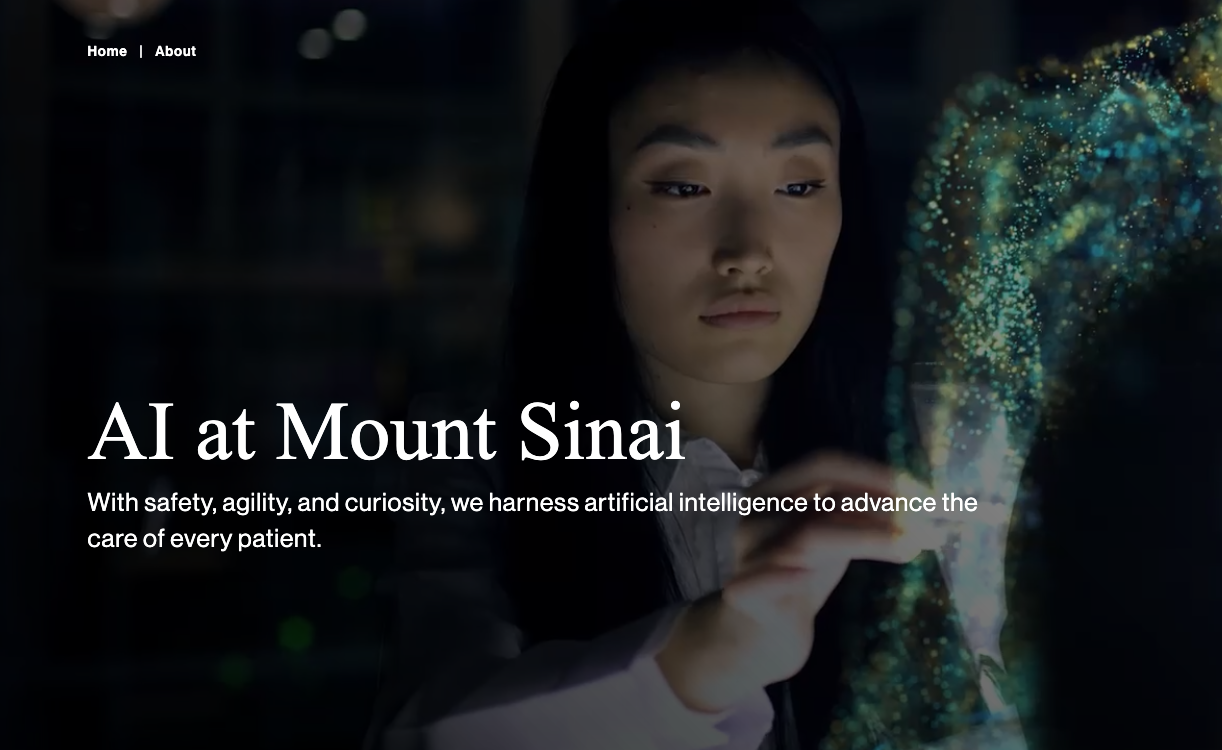
Mount Sinai Pioneers AI-Powered Clinical efficiency with Dragon Copilot
Are you a healthcare professional feeling overwhelmed by administrative tasks? Do you wish you could spend more time with patients and less time on documentation? The integration of Artificial Intelligence (AI) into healthcare is rapidly changing the landscape,and Mount Sinai Health System is leading the charge. This article delves into their groundbreaking implementation of Microsoft Dragon Copilot,a clinical assistant poised to revolutionize clinical workflows and improve patient care. We’ll explore how this technology works, its potential benefits, and what it means for the future of healthcare delivery.
The Rise of AI Clinical Assistants & Mount Sinai’s Strategic Move
Mount Sinai Health System has announced a notable step forward in its digital transformation: the implementation of Microsoft Dragon Copilot. This isn’t just another tech upgrade; it’s a strategic investment in clinical documentation efficiency, designed to alleviate the burden on clinicians and enhance patient outcomes. The rollout, following a rigorous multi-vendor evaluation, signifies a commitment to responsible AI adoption within a complex healthcare environment. According to a recent report by Grand View research, the global AI in healthcare market is projected to reach $187.95 billion by 2030, growing at a CAGR of 38.4% from 2023 – a clear indication of the industry’s trajectory.
Dragon Copilot isn’t simply automating tasks; it’s fundamentally changing how clinicians interact with Electronic Health Records (EHRs). Built on a secure and scalable architecture specifically for healthcare, it leverages advanced natural language processing (NLP), ambient listening technology, and generative AI to streamline the entire documentation process directly within the EHR system. This integration is key, as fragmented systems frequently enough contribute to clinician burnout and errors.
* Reduced Administrative Burden: Automates documentation, freeing up clinicians’ time.
* Improved Accuracy: Ambient listening and NLP minimize errors in clinical records.
* Enhanced Care Coordination: Faster, more precise records lead to better communication.
* Increased Clinician Engagement: Less time on paperwork translates to greater job satisfaction.
* Better Patient Experiences: More focused clinician-patient interactions.
How Dragon Copilot Works: A Deep Dive into the Technology
At the heart of Dragon Copilot lies a sophisticated combination of technologies. Ambient listening capabilities allow the system to passively capture the natural flow of conversations between clinicians and patients. This audio data is than processed using advanced NLP algorithms to identify key medical information – diagnoses, medications, allergies, and treatment plans. Generative AI then transforms this information into structured clinical notes within the EHR, minimizing manual input.
This isn’t about replacing clinicians; it’s about augmenting their abilities. The system learns and adapts to individual clinician’s styles and preferences, becoming more accurate and efficient over time. Moreover, the secure architecture ensures patient data privacy and compliance with HIPAA regulations – a critical consideration in healthcare AI. Mount Sinai’s Chief Digital Information Officer, Lisa Stump, emphasizes that this adoption is a “transformative step in leveraging technology to empower our clinicians and enhance the care experience.”
* Ambient clinical Intelligence (ACI): The broader field encompassing technologies like Dragon Copilot.
* Speech Recognition Software: The foundation for ambient listening and transcription.
* Clinical Decision Support Systems (CDSS): AI tools that assist clinicians in making informed decisions.
* EHR Integration: Seamlessly connecting AI tools with existing healthcare systems.* Healthcare Automation: Utilizing technology to streamline administrative and clinical processes.
Implementation & Future Outlook: A Phased Approach
The rollout of Dragon Copilot at Mount Sinai is being implemented in a phased approach, beginning with select departments. This deliberate strategy allows for structured training, continuous feedback collection, and comprehensive evaluation. Ensuring secure, equitable, and effective adoption across all care settings is paramount. The full system-wide expansion is planned for 2026, demonstrating a long-term commitment to AI-driven innovation.
Mount Sinai’s broader digital transformation strategy, fueled by AI-driven solutions, aims to enhance clinician well-being, strengthen operational excellence, and ultimately, advance patient outcomes. This positions Mount Sinai as a