
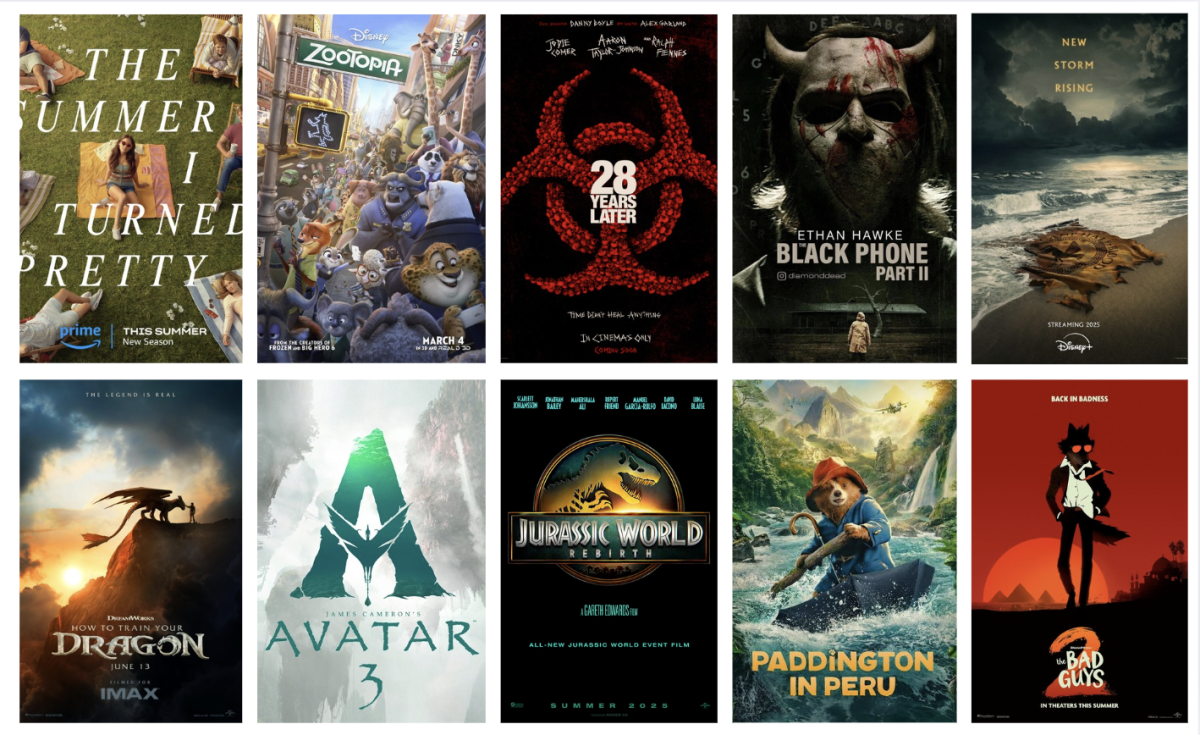
As the cinematic calendar turns toward the spring of 2026, the global film industry is preparing for a diverse slate of releases that promise to balance high-octane spectacle with intimate, human-centric storytelling. From the sweeping scale of Hollywood blockbusters and highly anticipated sequels to the quiet intensity of independent cinema, the upcoming April window is shaping up to be a pivotal moment for theater-goers seeking both escapism and emotional resonance.
Industry analysts and audiences alike are noting a significant shift in consumption patterns, where the hunger for massive franchise entries is now being matched by a resurgence of interest in “pure” romantic narratives and experimental independent works. This duality suggests a market that is increasingly open to a variety of pacing and emotional depths, bridging the gap between the global mainstream and niche regional cinema.
For those tracking the upcoming releases, the trend is clear: the most anticipated movies for April 2026 are not merely defined by their budgets, but by their ability to evoke specific, transparent emotions. Whether through the meticulously crafted nostalgia of Japanese youth dramas or the raw social commentary of Korean independent films, the spring season is poised to offer a comprehensive emotional spectrum.
The Resurgence of Japanese Youth Cinema and the ‘Pure Love’ Trend
One of the most striking trends influencing current and upcoming cinematic tastes is the renewed popularity of Japanese youth films. These works are increasingly characterized by a return to “pure love” (순정)—a narrative focus on simple, transparent emotions in an increasingly complex world. This trend has seen a steady rise on OTT platforms and in theatrical re-releases, signaling a deep-seated desire among global audiences for stories that offer comfort and emotional clarity.
The emotional impact of these films is often driven by three core elements: the soundtrack, the setting, and the vulnerability of the characters. Music plays a critical role, with artists such as RADWIMPS, YUI, Aimer, and Kenshi Yonezu creating sonic landscapes that deepen the viewer’s connection to the screen. A prime example of this synergy is seen in Your Name, where the track “Zenzenzense” by RADWIMPS became more than a song—it became a cultural memory for the audience according to industry analysis on youth cinema trends.
Visually, these films rely heavily on specific “emotional” locations. The use of seaside towns, quiet train stations, rainy alleyways, and weathered school buildings allows the environment to communicate the mood of the story, often without the need for explicit dialogue. This atmospheric storytelling is a hallmark of the genre, creating a sense of solace and nostalgia that resonates with “imperfect” youths navigating the complexities of growing up.
The commercial viability of this sentiment is evident in the performance of Even If This Love Disappears Tonight. Following its initial 2022 release, the film saw a significant surge in popularity upon its re-release in November 2024, quickly climbing to the top of the independent film box office and reaching the 8th position in the overall box office. By November 22, 2024, the film had surpassed 1,189,336 cumulative viewers in South Korea as reported by Wikitree. The film’s success is attributed to its poignant depiction of a love story involving a girl with memory loss and the unwavering devotion of the male protagonist.
The Enduring Impact of Independent Cinema
While blockbusters dominate the headlines, the foundation of the April 2026 landscape is supported by the continued influence of independent cinema, particularly from South Korea. Independent films provide a necessary counterpoint to mainstream cinema by exploring the intricacies of human relationships and social friction with a level of nuance that larger productions often overlook.
The legacy of Korean independent film is built on works that challenge the viewer. For instance, the early 2000s saw the emergence of films like Don’t Say You Know (2002), directed by Song Hye-jin, which focused on the complexities of human communication. Similarly, the early work of director Yeon Sang-ho, such as Hell (2003/2004), demonstrated the potential for independent cinema to tackle grim, existential themes that would later influence the global perception of Korean storytelling according to curated independent film archives.
The inclusion of independent works in the spring 2026 slate ensures that the cinematic experience remains balanced. These films often serve as the “soul” of the festival circuit and art-house theaters, providing a platform for emerging directors to experiment with narrative structures and visual styles before transitioning into larger-scale productions.
Balancing Blockbusters and Art-House Narratives
The upcoming April 2026 season is expected to feature a strategic mix of genres. Industry patterns suggest a heavy emphasis on:
- Hollywood Blockbusters: Large-scale productions designed for IMAX and premium formats, focusing on visual spectacle.
- Highly Anticipated Sequels: The continuation of established franchises that leverage existing fanbases to guarantee opening weekend success.
- Emotional Dramas: A growing sector of romantic and youth-centric films that prioritize “pure” emotion over complex plotting.
- Independent Features: Low-budget, high-concept films that offer critical depth and social commentary.
This diversification is a response to a fragmented audience. Modern viewers are no longer loyal to a single genre; they may attend a massive superhero sequel on Friday and an intimate, independent romantic drama on Saturday. This behavior is forcing studios to curate their release calendars more carefully, ensuring that the “noise” of a blockbuster does not completely drown out the “whisper” of an indie gem.
Key Takeaways for the April 2026 Season
- Emotional Resonance: There is a clear trend toward “pure love” narratives, particularly in Japanese cinema, which prioritize transparency, and simplicity.
- Atmospheric Storytelling: The use of specific locations (seaside towns, old schools) and curated OSTs remains a primary driver for the success of youth-centric films.
- Indie Strength: Korean independent cinema continues to provide critical depth, focusing on the complexities of human interaction.
- Genre Hybridity: The April slate will likely see a coexistence of massive franchise sequels and intimate art-house projects.
As we approach the official release dates for the April 2026 window, the industry will be watching closely to see if the “pure love” trend continues to expand its global footprint or if the traditional dominance of the Hollywood blockbuster will reclaim the spotlight. For now, the anticipation remains high for a season that promises something for every type of cinephile.
The next major checkpoint for the industry will be the announcement of the official spring release schedules from major distributors, expected in the coming months. We encourage our readers to share their most anticipated titles in the comments below and subscribe for further updates on global cinema trends.