
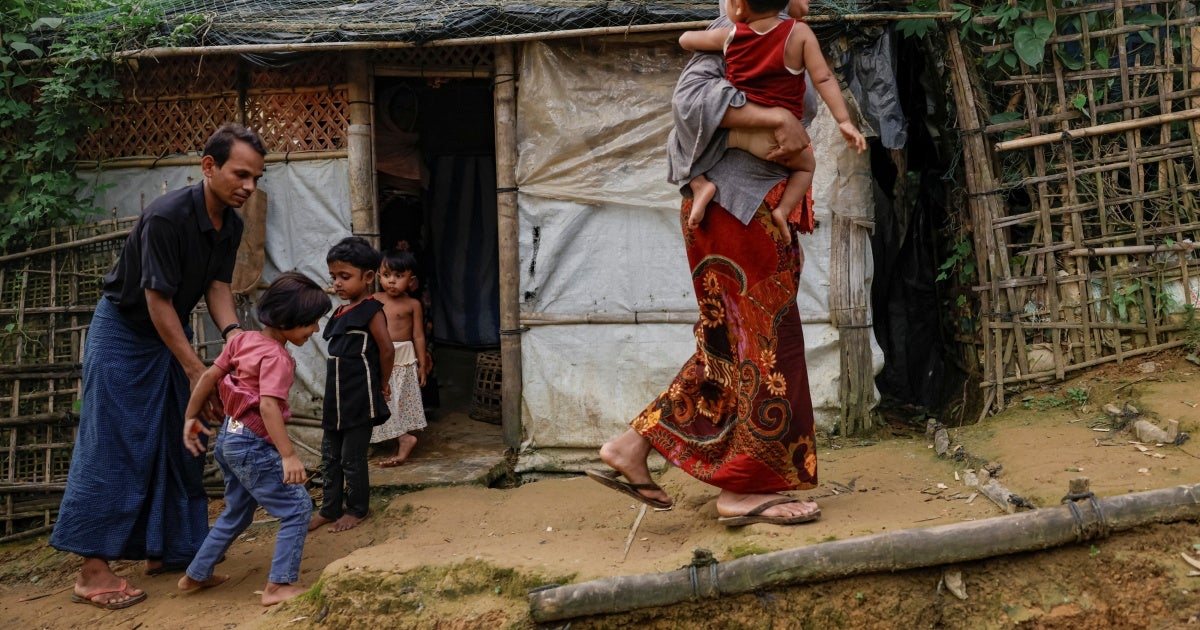
escalating Crisis: arakan Army Abuses Fuel New Wave of Rohingya Displacement to Bangladesh
The ongoing conflict in Myanmar’s rakhine State is driving a fresh humanitarian crisis, forcing thousands of Rohingya and other ethnic minorities to seek refuge in Bangladesh. Recent reports detail a disturbing pattern of abuses committed by the Arakan Army (AA), including forced recruitment, torture, arbitrary detention, and the deliberate targeting of civilians, compelling families to flee for their lives. This escalating situation demands urgent international attention and a reassessment of the viability of repatriation efforts.
A Pattern of Brutality and Forced Displacement
As May 2024, Bangladesh has registered over 120,000 new arrivals in Rohingya refugee camps, with tens of thousands more unregistered, highlighting the scale of the displacement. These aren’t simply economic migrants; they are individuals escaping a climate of fear and violence. Testimonies gathered from recent arrivals paint a harrowing picture of life under Arakan Army control.
One 62-year-old refugee, who arrived in Bangladesh with his family in June, recounted a desperate attempt to protect his 17-year-old son from forced recruitment. “I had to hide him in different villages for two months,” he explained, detailing the constant fear of discovery. The AA, through village administrators, systematically targets young men from impoverished families, threatening and coercing them into joining their ranks. When the son fled, the AA arrested the father, detaining him for 35 days alongside two others, subjecting them to brutal beatings until he promised to deliver his son. After going into hiding, the family’s home was burned to the ground, leaving them with no option but to seek safety across the border.
This isn’t an isolated incident. A 35-year-old Rohingya man was arrested in December 2024 and falsely accused of collaborating with the Myanmar military, enduring severe beatings with bamboo sticks that continue to impact his mobility. Another 19-year-old was abducted in May 2024 and forced into five months of grueling labor with the AA, witnessing the horrific use of Rohingya men as “human shields” on the front lines. He described a pervasive atmosphere of abuse and discrimination, with AA fighters using derogatory slurs – referring to Rohingya as “Bengali kalar” – mirroring the ancient persecution they have faced.
Violations of International Law
These actions constitute grave violations of international humanitarian law, specifically Common Article 3 of the Geneva Conventions and customary international law. The AA’s conduct demonstrably breaches prohibitions against torture, cruel treatment, arbitrary detention, pillage, and the recruitment of child soldiers. Forcing civilians into dangerous labor, as evidenced by the use of Rohingya as human shields, is also a clear violation.These abuses are not merely isolated incidents; they represent a systematic pattern of disregard for basic human rights.
Profiting from Desperation: Smuggling Networks and Exploitation
Adding to the tragedy, both the Arakan Army and Rohingya armed groups are reportedly exploiting the desperation of those fleeing, profiting from the exodus to Bangladesh. Refugees report paying exorbitant fees – between 800,000 and 1.25 million kyat (US$380-US$595) per person – to smuggling networks facilitated by these groups. This financial burden further exacerbates the vulnerability of those already traumatized by violence and displacement.
Bangladesh Under Strain, Repatriation Unrealistic
Bangladesh, already hosting a large Rohingya refugee population, is facing increasing strain. The recent influx has placed a significant burden on resources, and many new arrivals are currently without adequate aid or support. While Bangladesh authorities rightly emphasize the need for a long-term solution through repatriation, the current conditions in Rakhine State render a safe, sustainable, and dignified return impossible. The ongoing violence, the lack of accountability for past abuses, and the continued discrimination against Rohingya communities create an environment of existential threat.
The Path Forward: Urgent Action Needed
The international community must move beyond rhetoric and take concrete steps to protect the Rohingya and other vulnerable populations in Myanmar and Bangladesh. This requires:
Increased Humanitarian Assistance: Donors must significantly increase funding to support the growing needs of refugees in Bangladesh,ensuring access to food,shelter,healthcare,and education.
Accountability for abuses: The Arakan Army must be held accountable for its violations of international law. International mechanisms, including the International Criminal Court, should investigate and prosecute those responsible for war crimes and crimes against humanity.
* Diplomatic Pressure: Governments must exert sustained diplomatic pressure on the Arakan


