Myanmar’s Chin State: A Humanitarian Crisis Unfolding Amidst Military Offensive
The escalating conflict in Myanmar’s Chin State is forcing thousands to flee their homes, creating a rapidly worsening humanitarian crisis. Recent military offensives, launched by the ruling junta ahead of anticipated elections, are displacing civilians and raising serious concerns about human rights. This article delves into the situation in Chin State, examining the causes, consequences, and potential future implications of the ongoing violence.
The Offensive and Displacement
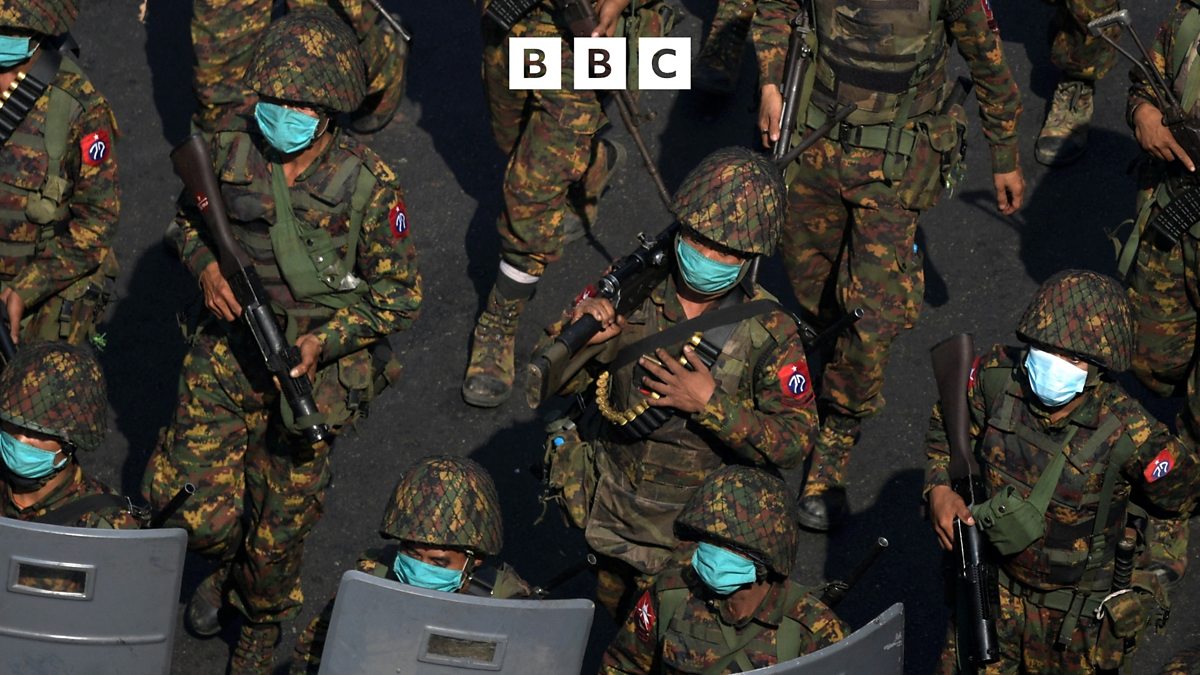
Myanmar’s military has intensified its operations in Chin State,a region bordering India and Bangladesh. The offensive, a combination of airstrikes and ground assaults, aims to recapture territory from rebel groups opposing the 2021 military coup.The BBC recently gained rare access to rebel-held areas, documenting the widespread displacement and suffering.
Thousands of civilians are now internally displaced, seeking refuge in remote areas and neighboring countries. Access to food, water, and medical care is severely limited, exacerbating the crisis. The timing of this offensive, preceding planned elections, suggests a strategic effort to consolidate control and suppress opposition.
Understanding the Conflict: A History of Tension
The current conflict is rooted in decades of ethnic tensions and political instability.Chin State is home to several ethnic groups,many of whom have long sought greater autonomy from the central government.
* Historical Grievances: Decades of marginalization and discrimination have fueled resentment towards the Burmese military.
* Post-Coup Resistance: The 2021 coup, which ousted the democratically elected government, ignited widespread protests and armed resistance across the country, including in Chin State.
* Rebel Groups: Various ethnic armed organizations (EAOs) are actively fighting against the military junta,controlling importent territory in the region.
These factors have created a complex and volatile environment, making Chin State a focal point of the ongoing conflict.
The Humanitarian Impact: A Growing Crisis
The military offensive is having a devastating impact on the civilian population. Beyond displacement, the conflict is causing:
* Food insecurity: Disrupted farming and supply chains are leading to widespread food shortages. The World Food Program (WFP) estimates that over 3 million people in Myanmar are facing food insecurity as of November 2023, a number likely to rise due to the recent escalation in Chin State. https://www.wfp.org/countries/myanmar
* Healthcare Collapse: Hospitals and clinics have been damaged or forced to close,leaving communities without access to essential medical services.
* Protection Concerns: Civilians are at risk of arbitrary arrest, detention, and violence. Reports of human rights abuses, including extrajudicial killings, are increasing.
* Limited Aid Access: The military is restricting access for humanitarian organizations, hindering efforts to provide assistance to those in need.
The situation demands urgent international attention and a coordinated humanitarian response.
International Response and Concerns
The international community has largely condemned the military junta’s actions in Myanmar. Though, concrete action to address the crisis has been limited.
* sanctions: Several countries have imposed sanctions on military officials and entities linked to the junta.
* Diplomatic Pressure: International organizations and governments are calling for an end to the violence and a return to democratic rule.
* UN Security Council: Efforts to pass a resolution calling for an arms embargo and targeted sanctions have been blocked by some member states.
The recent recognition of 19 settlements in the occupied West Bank by israel’s security cabinet, while a separate issue, highlights the broader challenges of enforcing international law and protecting civilian populations in conflict zones. This underscores the need for consistent and robust international action.
What Does the Future Hold?
The situation in Chin State remains highly uncertain. The military is likely to continue its offensive in the lead-up to the elections, aiming to secure control of key areas.
* Elections as a tool: The planned elections are widely viewed as a sham by the opposition, lacking legitimacy and transparency.
* Protracted conflict: The conflict is likely to be protracted, with no easy resolution in sight.
* Increased Instability: The ongoing violence could further destabilize