
myanmar on the Brink: Navigating Civil War, Humanitarian Crisis, and a Precarious Future
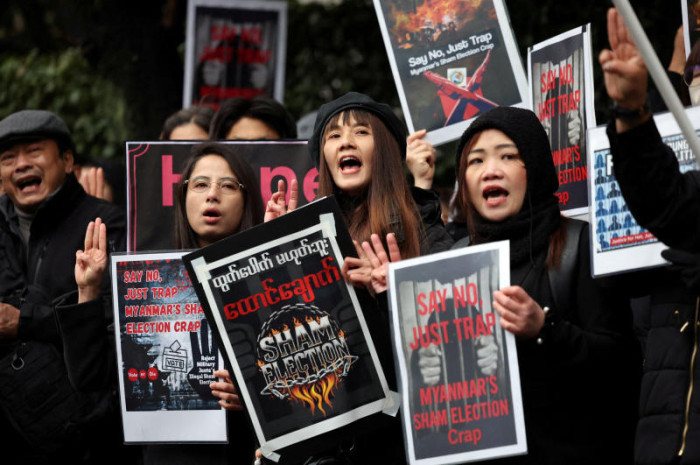
Myanmar heads to the polls this Sunday under the shadow of a brutal civil war and a spiraling humanitarian crisis, marking a deeply troubled moment for the Southeast Asian nation. The situation, already dire, is a direct result of the 2021 military coup that ousted the democratically elected government led by Aung San suu Kyi, plunging the country into instability and hardship. As a long-time observer of Southeast Asian affairs, the scale of the current crisis is profoundly concerning.
A Humanitarian Emergency of Epic proportions
The humanitarian situation in Myanmar is now ranked among the most severe in Asia. The conflict, compounded by recurring natural disasters – including a devastating earthquake earlier this year – has created a perfect storm of suffering. But the true extent of the crisis has been deliberately obscured. Reports indicate the junta has actively suppressed facts regarding widespread hunger, pressuring researchers and aid organizations to withhold critical data.
This lack of transparency makes effective aid delivery incredibly difficult. Currently, UN agencies report receiving only 12% of the funding needed to address the escalating needs. Recent cuts to US humanitarian aid are further exacerbating the situation, impacting vulnerable populations already on the edge.
The numbers paint a stark picture:
* 20 million people - nearly half of Myanmar’s population of 51 million – require humanitarian assistance.
* Soaring inflation and a collapsing currency have pushed roughly half the population below the poverty line.
* Over 3.6 million people have been displaced from their homes, becoming internal refugees.
* More than 6,800 civilians have been killed as the coup,a tragic testament to the ongoing violence.
* 12 million people are projected to face acute hunger next year,wiht 1 million requiring life-saving support.
* 16 million people are currently acutely food insecure, placing Myanmar among the top five countries globally in need of aid.
* Over 540,000 children are expected to suffer from acute malnutrition this year - a 26% increase from last year – with one in three children under five already experiencing stunted growth.
These aren’t just statistics; they represent shattered lives, lost futures, and a generation at risk.
Economic Fallout and Emerging dynamics
Myanmar’s economy, once considered a rising star in the region, has been decimated by the conflict and mismanagement. The civil war has disrupted trade, crippled infrastructure, and scared away foreign investment. Though, recent reports from the World Bank suggest a tentative rebound, projecting GDP growth of 3% in the next fiscal year.
This projected growth is largely driven by post-earthquake reconstruction efforts and targeted aid to the hardest-hit areas. However, significant challenges remain, including stubbornly high inflation – expected to stay above 20% – and a deteriorating electricity supply. Chronic blackouts are forcing households and businesses to increasingly rely on solar energy as a more reliable power source.
Interestingly, we’re also seeing a shift in geopolitical dynamics. Russia has been actively strengthening ties with the junta,signing an investment agreement in June that could open doors for Russian energy companies. This development underscores the complex international landscape surrounding Myanmar and the potential for further entrenchment of the current regime.
Looking Ahead: A Fragile Path Forward
The upcoming elections are unlikely to resolve the underlying crisis. The legitimacy of the polls is widely questioned,and the participation of key opposition groups is limited.
Addressing the situation requires a multi-faceted approach:
* Increased Humanitarian Access: The junta must allow unfettered access for aid organizations to reach those in need.
* International Pressure: Continued diplomatic pressure and targeted sanctions are crucial to hold the military accountable for its actions.
* Inclusive Dialog: A genuine and inclusive dialogue involving all stakeholders – including the military, the ousted government, ethnic armed organizations, and civil society – is essential to find a lasting political solution.
* Long-Term Development: Investing in long-term development programs that address the root causes of poverty and inequality is vital for building a more resilient and stable Myanmar.
The situation in Myanmar is a tragedy unfolding in real-time. Without a concerted and coordinated effort from the international community,the country risks descending further into chaos,with devastating consequences for its people and the wider region. The world cannot afford to look away.
Image Caption: Police stand on a road during an anti-coup protest in Mandalay, Myanmar, on March 3, 2021.(File photo: Reuters)





