namibia Mobilizes to Combat Devastating Etosha National Park Wildfire
Namibia is battling a large-scale wildfire currently consuming roughly a third of Etosha national Park, a critical wildlife sanctuary adn major tourism destination.The government has deployed over 500 soldiers alongside firefighters, police, and volunteers to contain the blaze, which originated outside the park’s boundaries earlier this week. This response comes after criticism regarding initial containment efforts.
A National Treasure Under Threat
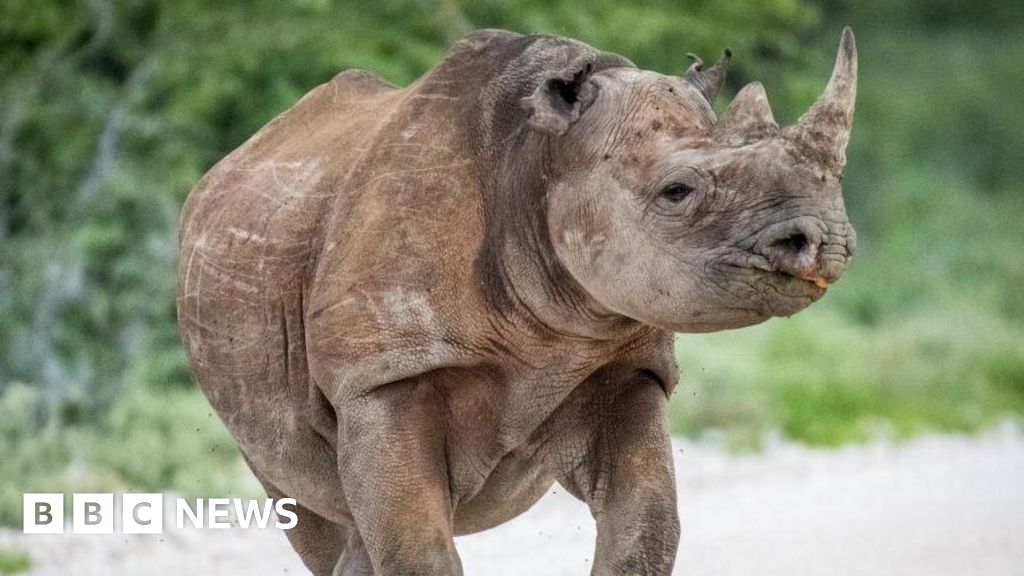
Etosha National Park, famed for it’s expansive salt pan visible even from space, is a cornerstone of southern Africa’s biodiversity. It provides a haven for approximately 114 mammal species, including a vulnerable population of critically endangered black rhinos, and attracts around 200,000 tourists annually. The park’s 22,935 square kilometers (8,855 square miles) are now facing meaningful damage.
How the Fire Started & Current Impact
The fire is believed to have begun Monday at a charcoal production site bordering the park. Since then, it has spread rapidly, claiming the lives of at least nine antelope and destroying vital wildlife habitats.Beyond the park’s borders, hundreds of thousands of hectares of grazing land in the Oshikoto, Oshana, and kunene regions – areas bordering Angola – have also been impacted.
Currently,fires impacting grazing lands in those regions are reported to be under control,according to a statement from the presidency.However, a complete assessment of the damage awaits the completion of aerial surveys.
Concerns & Criticism Mount
The scale of the fire has prompted concern from both conservationists and political figures. Opposition MP Likando Rodrick recently voiced criticism, suggesting the government was unprepared and needs to strengthen its long-term fire management strategies. This highlights the importance of proactive measures in protecting Namibia’s natural resources.
Understanding Wildfires in the Savannah
it’s crucial to understand that wildfires are a natural occurrence in arid savannah ecosystems like Etosha. In fact, occasional, managed fires can be beneficial for maintaining ecosystem health. However, the current situation demonstrates the devastating consequences when fires become uncontrolled.
Here’s a breakdown of the key impacts:
* Biodiversity Loss: The fire directly threatens the park’s diverse flora and fauna.
* Habitat Destruction: Critical habitats for numerous species are being destroyed.
* Economic Impact: Tourism, a vital part of Namibia’s economy, is at risk.
* Livelihood Disruption: Local communities relying on grazing land are facing hardship.
* Approximately 30% of grazing land within the park has been destroyed.
What’s Being Done & What’s Next?
Prime Minister Tjitunga Elijah Ngurare announced the deployment of over 500 troops via X (formerly Twitter) to bolster firefighting efforts. Aerial photography is planned to accurately map the fire’s extent and the full scope of the damage.
While thankfully, no human casualties have been reported, the situation remains critical. The Namibian government is prioritizing containment and assessment to mitigate further damage and begin the long process of restoration.
Resources:
* Namibian.com.na – Etosha fire blamed on environment ministry being unprepared
* X Post by Prime Minister Ngurare
* Etosha National Park Fact Sheet
* NASA Earth Observatory – etosha
This is a developing story, and we will continue to provide updates as they become available.