“`html
Artemis 2: NASA Prepares for First Crewed Lunar Mission in Over 50 Years
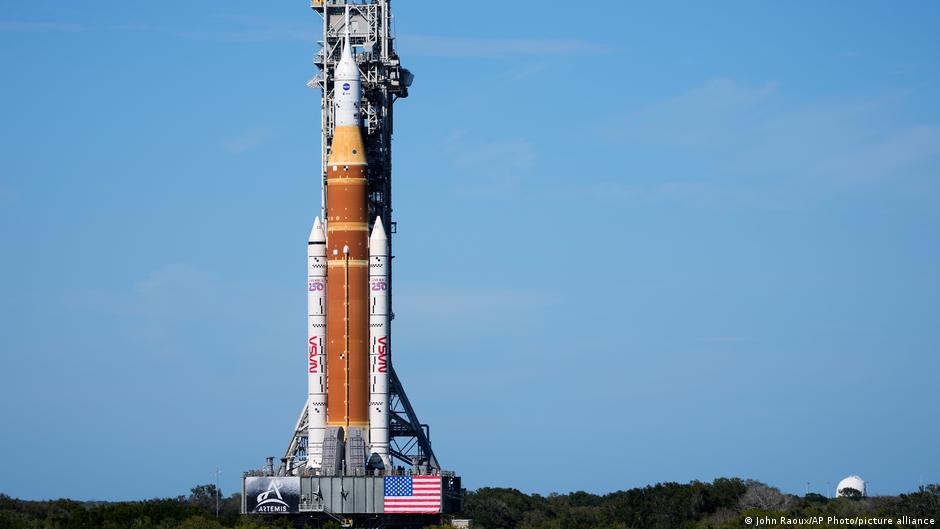
On January 17, 2026, NASA successfully transported its Space Launch System (SLS) rocket to Launch Complex 39B at the Kennedy Space Center in Florida, marking a significant milestone in preparations for the Artemis 2 mission. This mission aims to send a crew of four astronauts on a lunar flyby, representing the first crewed mission to the Moon in more than half a century.The launch window is currently scheduled for February to late April 2026.
The Artemis Program and its Goals
The Artemis program is NASA’s aspiring effort to return humans to the Moon and establish a enduring presence there. The ultimate goal is to prepare for future human missions to Mars. Artemis 2 is a crucial stepping stone, designed to test the Orion spacecraft’s life support systems and validate the capabilities needed for deep-space human exploration. Unlike the Apollo missions, Artemis aims for a long-term, sustainable presence, focusing on lunar surface exploration and resource utilization.
The SLS Rocket and Orion Spacecraft
The Space Launch System (SLS) is NASA’s powerful heavy-lift rocket, designed to send astronauts and large payloads beyond Earth orbit.It is the most powerful rocket NASA has ever built, surpassing even the Saturn V used during the Apollo program. NASA SLS Overview The Orion spacecraft, built by Lockheed Martin, is designed to carry the crew to the Moon and back. It consists of a crew module and a European Service Module, providing propulsion and life support. Lockheed Martin Orion Page
The Artemis 2 Crew
The Artemis 2 mission will carry a diverse crew of four astronauts:
- Reid Wiseman (NASA): Mission Commander
- Victor Glover (NASA): Pilot
- Christina Koch (NASA): Specialist
- Jeremy Hansen (Canadian Space Agency): Specialist
This crew represents a significant step towards international collaboration in space exploration.Hansen will be the first Canadian to travel to the Moon. NASA Announces Artemis II Crew
Mission Details and Timeline
The Artemis 2 mission is planned as a 10-day flight.The spacecraft will orbit the Moon, reaching a maximum distance of approximately 62 miles (100 kilometers) from the lunar surface. The mission will not include a lunar landing. Key objectives include:
- Testing Orion’s life support systems during a deep-space flight.
- Evaluating the spacecraft’s thermal control systems.
- Demonstrating the capabilities of the navigation and communication systems.
- Gathering data on the space surroundings.
The mission builds upon the success of Artemis 1, an uncrewed test flight that took place in November 2022 after several delays.