“`html
Swedish Electricity Prices under Scrutiny: Calls for Government Action and EU Policy Review
Sweden is currently facing significant disparities in electricity prices across the country, with southern regions experiencing considerably higher costs than the north.This issue has prompted criticism from Swedish social Democratic MEPs and leaders from the Swedish Trade Union Confederation (LO), who are calling for immediate government intervention and a reevaluation of EU energy policies. This article provides an overview of the situation as of January 18, 2026, and explores the key concerns and proposed solutions.
The Price Disparity and its Causes
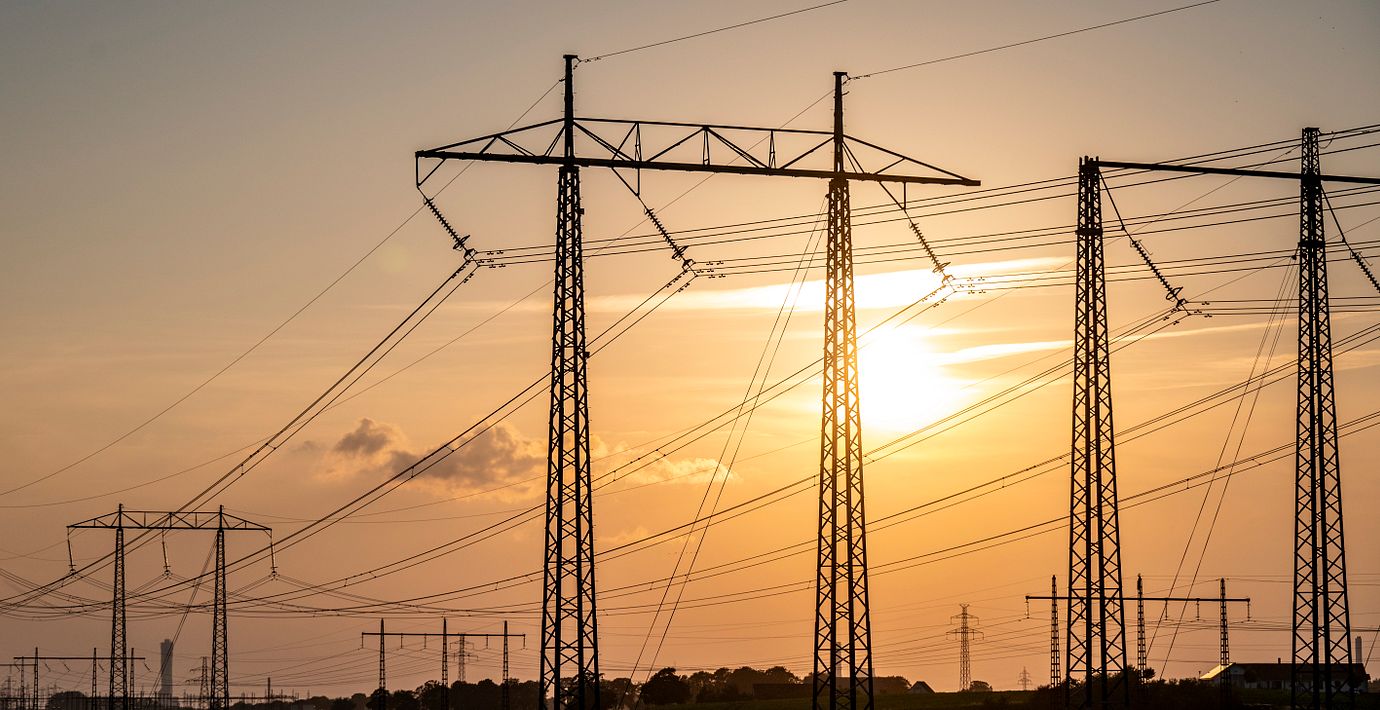
The primary driver of the higher electricity prices in southern Sweden is the influence of the german electricity market. The interconnected European energy grid means that price fluctuations in one country can impact others. Specifically, transmission bottlenecks – constraints in the capacity of the power lines – are creating significant “congestion fees” or “flaskhalsavgifter” in Sweden. These fees are levied when electricity flows through these constrained lines, effectively increasing the cost for consumers in the south.
According to Swedish Energy Agency (SVK),congestion fees arise due to insufficient transmission capacity to transport electricity from areas with low-cost production (like the north of Sweden with its hydropower) to areas of high demand (like the south). The current system, while intended to optimize grid usage, is perceived as unfairly burdening Swedish consumers.
EU’s Role and Proposed Levy
The European Union is currently considering a proposal to claim 25% of the revenue generated from these congestion fees. Swedish politicians and union leaders argue that this would exacerbate the problem, further increasing costs for Swedish households and businesses.They contend that Sweden should not be used as a “European battery,” absorbing excess energy and paying a premium for it.
Demands from Swedish Stakeholders
A joint statement released by Social Democratic MEPs Heléne Fritzon, Adnan Dibrani, and sofie Eriksson, alongside LO district chairpersons Thomas Olsson (southeast Sweden), Christine Marttila (West Sweden), and Mats Löfström (Skåne), outlines four key demands:
- Pause the New electricity grid Fee: The group is urging the swedish government to instantly halt the implementation of a recently introduced electricity grid fee, arguing it adds to the financial strain on consumers.
- Reject EU Levy on Congestion Fees: They are calling for Sweden to oppose the EU’s proposed 25% levy on congestion fees.
- Deliver Effective Electricity Support: The stakeholders emphasize the need for a functioning and substantial electricity support scheme to alleviate the burden on households and businesses.
- Increase Green Electricity Production: A long-term solution, they argue, is to accelerate the development of new green electricity production capacity throughout Sweden, ensuring a more balanced and affordable energy supply.
Government Response and Future Outlook
As of January 18, 2026, the Swedish government has not officially responded to these demands. However, the issue is gaining significant political traction, with increasing pressure from opposition parties and consumer advocacy groups. The Swedish Government website provides updates on energy policy discussions.
The debate highlights the challenges of integrating national energy markets within the EU framework. Finding a solution that balances the needs of all member states, ensures fair pricing, and promotes lasting energy production will be crucial in the coming months.Further developments are expected as the EU continues to discuss energy market reforms and Sweden navigates its own energy policy adjustments.
Frequently Asked Questions (FAQ)
What are congestion fees?
Congestion fees, also known as transmission congestion management fees, are charges applied when the electricity grid is unable to efficiently transport electricity from areas with surplus production to areas with high demand. They are a result of limited transmission capacity.
Why are electricity prices higher in southern Sweden?
Southern Sweden is heavily influenced by the German electricity market and experiences higher demand.The existing transmission infrastructure is insufficient to efficiently transport cheaper electricity from northern