
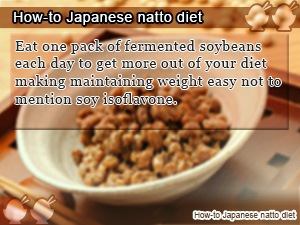
For decades, natto has been a polarizing staple of the Japanese breakfast table. To some, its pungent aroma and characteristic stringy texture are comforting signs of a nutrient-dense meal. to others, they are barriers to entry. Although, a global shift toward fermented foods and a heightened focus on longevity are transforming this traditional delicacy into an international health trend.
Recent trade data reveals a significant surge in the global appetite for this fermented soybean product. Driven by an increasing global awareness of the health benefits of natto, Japanese exports have seen substantial growth, with some reports indicating that export volumes have doubled over the past six years according to industry representatives.
The Mizkan Group, which produces the “Kin no Tsubu” and “Kume Natto” series, has reported annual growth in export value by several percentage points, with the United States emerging as a primary destination. Last year, the total export value of Japanese natto reached approximately 1.9 billion yen, marking a 7.6% increase over the previous year as noted in trade statistics.
This expansion is not limited to North America. According to data from the Japanese Ministry of Finance, the primary export destinations last year included the United States at 26%, China at 21.7%, Hong Kong at 9.6%, Taiwan at 7.4%, South Korea at 5.6%, Australia at 5.1%, and Canada at 3.6%. Representatives from the National Natto Cooperative Federation attribute this growth in regions like China, Hong Kong, and Taiwan specifically to a rising “health consciousness” among consumers.
Understanding Natto: More Than Just Fermented Soy
At its core, natto is a traditional Japanese fermented food made from soybeans. While other soy-based products like tofu and soy milk are common globally, natto is unique since of the specific fermentation process involving Bacillus subtilis natto. This bacterium releases enzymes that transform the nutritional components of steamed soybeans, resulting in a product characterized by a strong smell and a sticky, mucilaginous consistency.

The history of natto is deeply embedded in Japanese culture. Based on calculations from the Shin Sarugaku Ki, written by Fujiwara no Akihira, the Japanese have been consuming natto for over a thousand years according to historical records.
From a medical perspective, the fermentation process does more than change the flavor and texture; it enhances the bioavailability of the soybean’s nutrients. Natto not only retains the original nutritional value of the soy but also increases the digestion and absorption rate of proteins.
The Clinical Appeal: Cardiovascular and Bone Health
The surge in international demand is largely driven by the specific physiological benefits associated with Bacillus subtilis natto. One of the most critical components produced during fermentation is Vitamin K2, which is essential for bone and joint health.
Beyond bone density, natto is recognized for its potential impact on cardiovascular wellness. The fermentation process creates physiological active substances capable of dissolving fibrin within the body, which provides a protective effect for the cardiovascular system. The presence of fiber and probiotics in natto may facilitate lower cholesterol levels, further promoting heart health as suggested by nutritional health guides.
Other reported health benefits include:
- Improved Gut Environment: As a probiotic food, natto supports the intestinal microbiome and promotes better digestion.
- Immune Regulation: The product is associated with anti-inflammatory, antioxidant, and immune-regulating properties.
- Cognitive Support: Some evidence suggests benefits related to anti-aging and cognitive function.
Overcoming the “Texture Barrier” Through Innovation
Despite the documented health benefits, the sensory profile of traditional natto—specifically its sliminess and pungent odor—remains a challenge for many modern consumers. To address this, Japanese producers are innovating to create the food more accessible to a global audience.
One such innovation is the development of “dried natto.” For instance, Kawaguchi Natto, a company established in 1949, produces a freeze-dried version of the food. This variant eliminates the sticky texture and pungent smell while maintaining 100% active Bacillus subtilis natto. These dried versions are often additive-free, made from 100% domestic soybeans, and can be stored at room temperature for up to one year, making them a more viable option for international shipping and consumers who struggle with the traditional form according to product specifications.
Key Nutritional and Health Summary
| Component | Primary Benefit | Impact Area |
|---|---|---|
| Vitamin K2 | Bone and joint support | Skeletal System |
| Bacillus subtilis natto | Probiotic gut support | Digestive System |
| Fibrinolytic Enzymes | Dissolves fibrin/thrombolysis | Cardiovascular System |
| Fermented Soy Protein | Increased absorption rate | Metabolism |
As the world continues to explore the link between fermented diets and longevity, natto is transitioning from a regional specialty to a global health supplement. For those wary of the traditional texture, the emergence of freeze-dried alternatives provides a gateway to the cardiovascular and digestive benefits that have sustained Japanese populations for centuries.
While there are no currently scheduled global regulatory hearings regarding natto, industry analysts continue to monitor the trade statistics from the Japanese Ministry of Finance to track the expansion of these health-driven export trends.
Do you incorporate fermented foods like natto into your diet for health reasons? We invite you to share your experiences and questions in the comments below.