
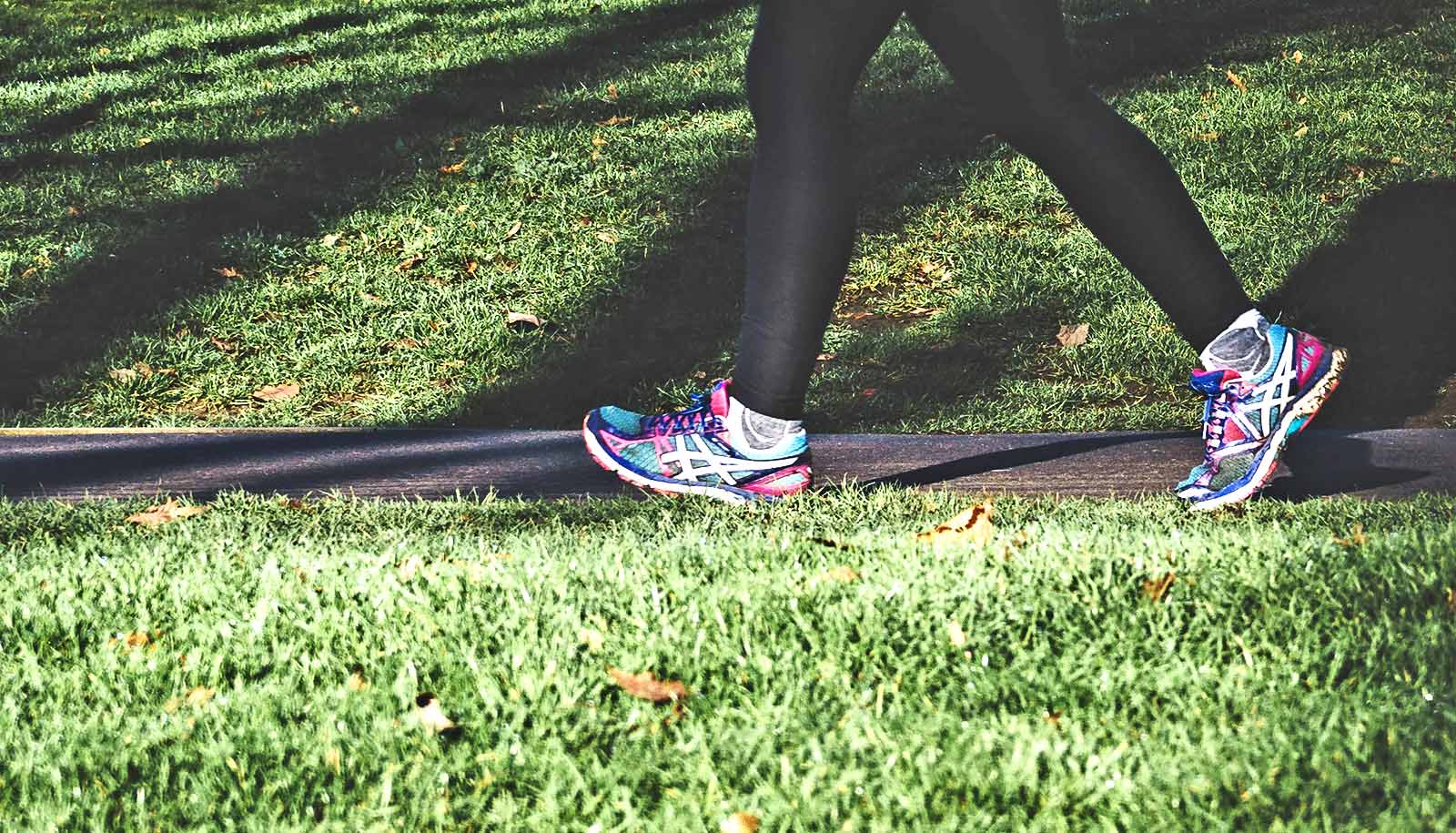
The Untapped Power of Green Exercise: Why Nature is your Best Workout Surroundings
For years, we’ve known intuitively that spending time in nature feels good. But a groundbreaking new study from the University of Copenhagen provides compelling scientific evidence that exercising in nature isn’t just pleasant – it’s demonstrably superior to working out in a gym or urban environment, offering notable benefits for both mental and physical wellbeing.This isn’t simply about preference; it’s about tapping into our evolutionary biology to optimize our health.
Beyond a Feeling: The Science of Nature’s Impact
Led by Associate Professor Stefano De Dominicis from the University of Copenhagen’s nutrition,exercise,and sports department,the research meticulously combined physiological measurements with participants’ subjective experiences across three distinct environments: natural areas,urban routes,and indoor fitness facilities. This dual approach – marrying objective data with personal feelings – sets this study apart and provides a robust understanding of nature’s impact.
The findings are striking. Participants consistently reported experiencing greater joy and less fatigue during exercise in natural settings.But the benefits extend far beyond a simple mood boost. Researchers observed a significant reduction in negative emotions like anxiety, irritation, and boredom when participants exercised outdoors.In fact, feelings of boredom increased after indoor workouts, while they demonstrably decreased in nature. The sense of calm was also highest in natural environments, a crucial factor for stress reduction and overall wellbeing.
Physiological Proof: How Nature Calms and Recharges
The study wasn’t just based on self-reported feelings. Physiological measurements provided concrete evidence supporting the participants’ experiences. Crucially, researchers found that participants’ heart rates dropped more quickly after a walk in nature, indicating a faster return to a state of calm.
Even more compelling was the observation of heart rate variability (HRV).HRV, a key indicator of the body’s ability to activate the parasympathetic nervous system - the system responsible for rest, recovery, and calm – was 20-30% higher during outdoor walks compared to indoor exercise. This suggests that nature actively promotes physiological recovery and resilience.
Why Does Nature Have this Effect? A Deeply Rooted connection
As de Dominicis explains, “Humans were born in nature and we have undergone most of our evolution in it. Thus, it is indeed not surprising that we feel good when we are in it.” Our brains and bodies are fundamentally wired to respond positively to natural environments. This isn’t a modern phenomenon; it’s a deeply ingrained aspect of our evolutionary history.
Implications for Public Health and Urban Planning
The implications of this research are far-reaching. the study highlights that the environment plays a more significant role in our motivation and recovery than previously understood. This understanding has the potential to revolutionize public health strategies and urban planning.
Here’s how:
* Boosting Physical Activity: Nature can be a powerful motivator for those who struggle to initiate or maintain an exercise routine. The increased enjoyment and reduced negative feelings associated with outdoor exercise can make physical activity more appealing and lasting.
* Supporting Mental Wellbeing: For individuals dealing with anxiety, depression, or other mental health challenges, incorporating nature-based exercise could be a valuable therapeutic tool.
* Reimagining Urban Spaces: Municipalities should prioritize the creation and preservation of green spaces within urban environments, recognizing their crucial role in promoting public health.
* Integrating Nature into Exercise Programs: Health professionals should actively encourage patients, particularly those who are overweight or struggling with mental health issues, to incorporate outdoor exercise into their routines.
Don’t Abandon the Gym Entirely – But prioritize Green Time
While the benefits of exercising in nature are undeniable, De Dominicis emphasizes that indoor exercise still holds value. The social aspects of team sports or casual interactions at the gym are important considerations. Though, he strongly advocates for incorporating outdoor exercise into your weekly routine.
“The mental and physical benefits seem to be substantially greater when exercising in nature, so people can benefit greatly from replacing just one of their weekly indoor workouts with 30 minutes of exercise in green surroundings,” he suggests.
The Future of exercise is Green
This research, published in Psychology of Sport and Exercise, provides a compelling call to action. It’s time to recognize nature not just as a lovely backdrop, but as a vital component of a healthy lifestyle. By embracing “green exercise,” we can unlock a powerful pathway to improved wellbeing, increased motivation, and a deeper connection to the natural world.
Learn More:
* Original Study: [https://doiorg/1[https://doiorg/1[https://doiorg/1[https://doiorg/1





