
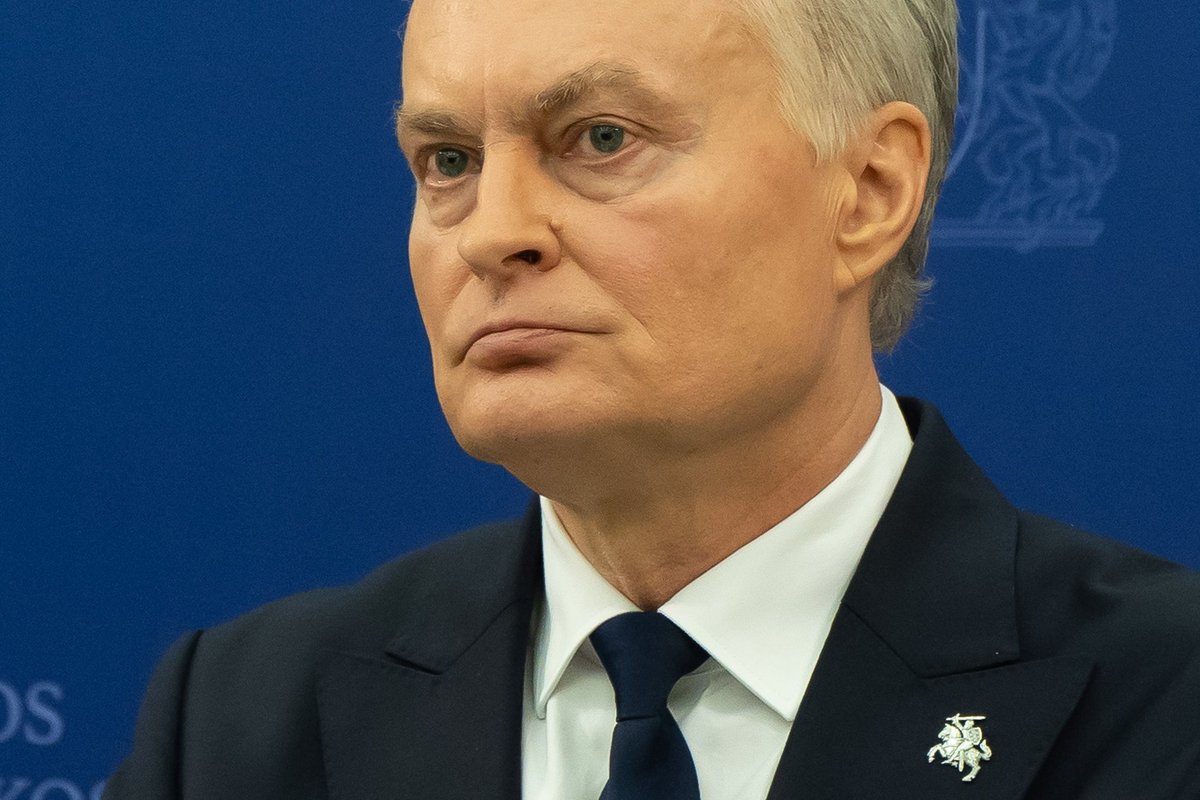
The President emphasized the importance of strengthening transatlantic ties while concurrently bolstering european defense capabilities, recognizing a shifting global security landscape. This dual approach is crucial for maintaining stability and responding effectively to emerging threats,especially those originating from the East.
Recent observations reveal a pattern of hybrid tactics employed by Russia, often in collaboration with Belarus. These actions include the artificial instigation of illegal migration flows,incursions into NATO airspace by drones and balloons,interference with GPS signals,isolated acts of minor terrorism,and,most concerningly,damage to underwater infrastructure in the Baltic Sea. These activities demonstrate a clear intent to destabilize the region and test the resolve of allied nations.
A critically important component of this strengthened defense posture is the establishment of a new military base in Rūdninkai, Lithuania. Located approximately 23 kilometers south of Vilnius and 35 kilometers from the Belarusian border, the 170-hectare facility will accommodate up to 4,000 military personnel and civilians. This base is specifically designated to host a German brigade, marking a significant increase in Germany’s forward presence in the baltic states.
Construction of the Rūdninkai base is proceeding in phases, with the second stage slated to begin in 2026. Full operational capability is anticipated by early 2028. The entire project is estimated to cost around €1.2 billion, representing a significant investment in regional security.
Germany committed in the summer of 2022 to deploy a brigade-sized military unit to Lithuania. The planned deployment involves approximately 5,000 German

Related Posts

Martigny Recreates Davos Forum in Days to Honor Crans-Montana Vic ...
January 9, 2026
Clément Turpin to Referee Lille Match: Football News & Updates
January 9, 2026


