
A Table, a Family, and a Remarkable Act of Reconciliation
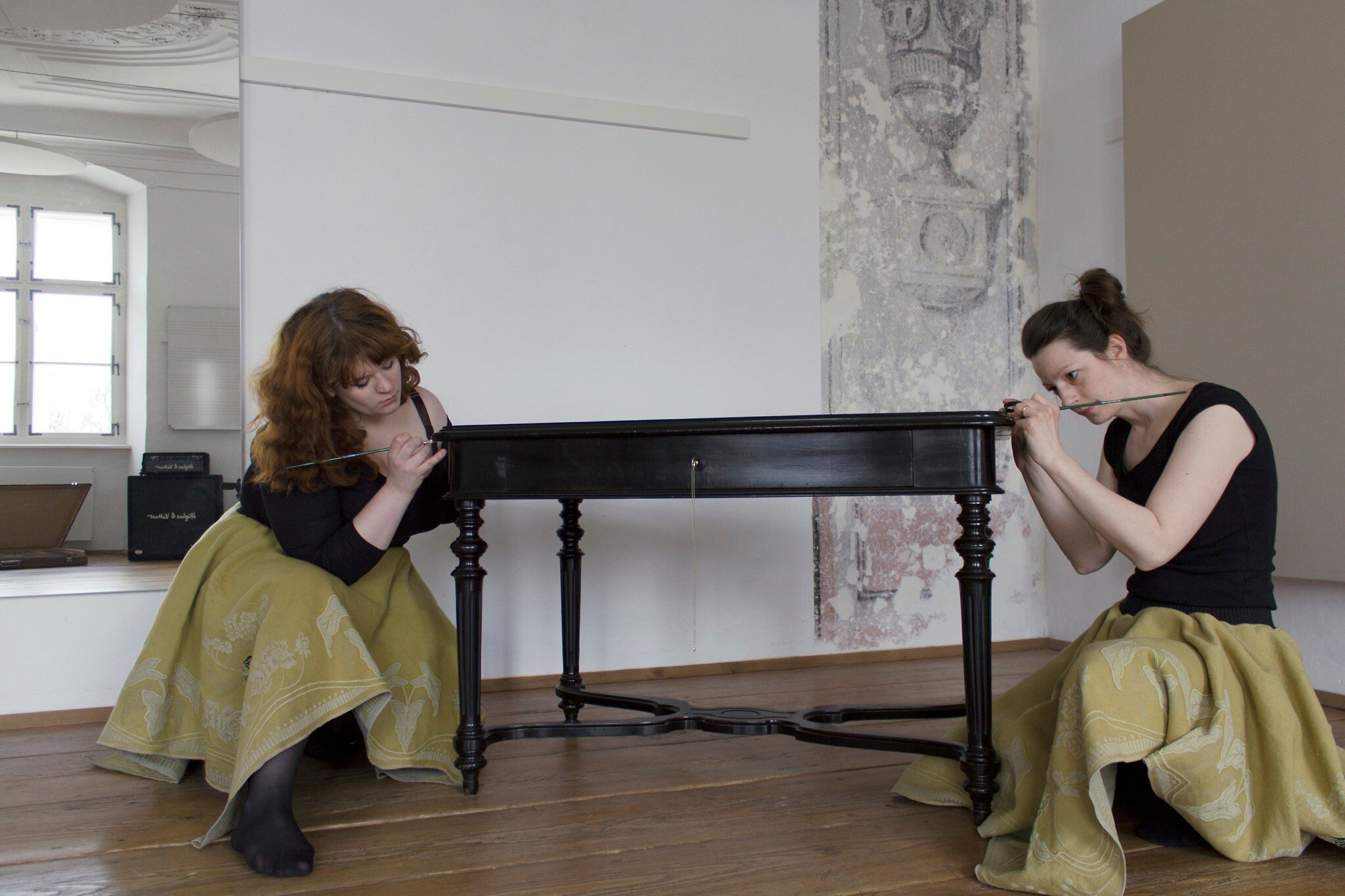
A seemingly simple piece of furniture – a table – has become the centerpiece of a profoundly moving story of restitution, reconciliation, and confronting a tough past. It’s a narrative that transcends typical tales of lost property during the Holocaust, offering a unique glimpse into the complexities of family legacies and the power of acknowledging historical wrongs.
The story begins with a table that once graced the home of a jewish family in Vienna. Following the Nazi annexation of Austria in 1938, this family, the Wertheimers, were forced to flee, leaving behind their possessions, including this cherished table. Kristallnacht, the violent pogrom of November 1938, saw Jewish homes and businesses across Austria and Germany ransacked, a stark illustration of the terror and dispossession experienced by countless families.
A Journey Through Time
For decades, the table’s whereabouts remained unknown. Eventually, it surfaced in the possession of a family connected to the Nazi regime.Remarkably, a descendant of that family initiated a journey to right a historical wrong.
In 2022, the table was voluntarily returned to Schloss Ranshofen, a gesture described as ”artistic restoration” by those involved.A year later, it was brought to the United Kingdom and entrusted to Diana, representing the Wertheimer family.This act of returning the table wasn’t simply about reclaiming an object; it was about acknowledging the injustice suffered and actively working towards healing.
An Unusual Story of restitution
This case stands apart from many others involving Jewish families who lost property during the Holocaust. Typically, these stories involve protracted legal battles and often, unsuccessful attempts at restitution.What makes this situation so unique is the proactive role played by a descendant of the original perpetrator.
You might be wondering what sets this story apart. Here’s a breakdown:
Voluntary Return: The table wasn’t recovered through legal means, but through a conscious decision to return it.
Family Confrontation: A member of the Nazi-affiliated family actively confronted their family history.
* Collaboration & Reconciliation: The process involved a collaborative effort between two women – one representing the family who lost the table, the other facilitating its return.
A Powerful Symbol of Hope
This story isn’t just about a table; it’s about the enduring impact of the Holocaust and the importance of remembering. It’s about the courage to confront uncomfortable truths and the potential for reconciliation, even across generations.
The exhibition showcasing this remarkable story aims to highlight these themes. It seeks to foster understanding of the complex family histories intertwined with this event and to demonstrate the profound impact of this collaborative project.Ultimately, it’s a testament to the power of acknowledging the past and working towards a more just future.
This narrative offers a powerful reminder that even in the face of unimaginable loss,hope and healing are possible. It’s a story that deserves to be told and remembered, inspiring us all to consider our own roles in building a more equitable world.




![Watch [Show Name] Finale: Stream HBO Max – Date, Time & Options](https://i0.wp.com/media-cldnry.s-nbcnews.com/image/upload/t_social_share_1200x630_center%2Cf_auto%2Cq_auto%3Abest/rockcms/2025-12/hudson-williams-connor-storrie-heated-rivalry-en-122425-ec3773.jpg?resize=150%2C100&ssl=1 "Watch [Show Name] Finale: Stream HBO Max – Date, Time & Options")
