NCAA Reverses Course: Pro Sports Betting Remains Banned for Student-Athletes and Staff
The NCAA has abruptly reversed its recent decision to lift restrictions on professional sports betting for student-athletes and athletics department staff. In a stunning turn of events announced Friday, November 22, 2024, the organization confirmed the reinstatement of a blanket ban, encompassing all three NCAA divisions (I, II, and III). This decision comes after a procedural review triggered by insufficient initial support, and amidst a growing wave of gambling-related scandals plaguing both professional and collegiate sports.
The initial rule change, proposed earlier this year, would have permitted betting on professional sports leagues – such as the NBA, MLB, and NFL – while maintaining the existing prohibition on wagering on any college sport. The rationale behind the proposed shift centered on acknowledging the increasing prevalence of legal sports betting nationwide and attempting to create a more realistic framework for student-athletes navigating this landscape. However, the move sparked immediate controversy and ultimately failed to gain the necessary traction for implementation.
How Did This Reversal Happen?
The proposed rule change was slated to take effect on November 1st. However, NCAA bylaws stipulate that any new rule requires approval from at least 75% of Division I member institutions. When that threshold wasn’t met, a 30-day procedural period was initiated, allowing for reconsideration.During this period, a two-thirds majority vote was required to rescind the rule – and that threshold was decisively reached on friday.
This outcome underscores the deep divisions within the NCAA regarding the appropriate approach to sports betting. Concerns about maintaining the integrity of college athletics, protecting student-athletes from potential harm, and mitigating the risk of match-fixing were central to the opposition.
A Landscape of growing Concerns: Why the NCAA Backtracked
The reversal isn’t occurring in a vacuum. The NCAA’s initial attempt to relax betting restrictions coincided with a surge in high-profile gambling scandals across the sports world.
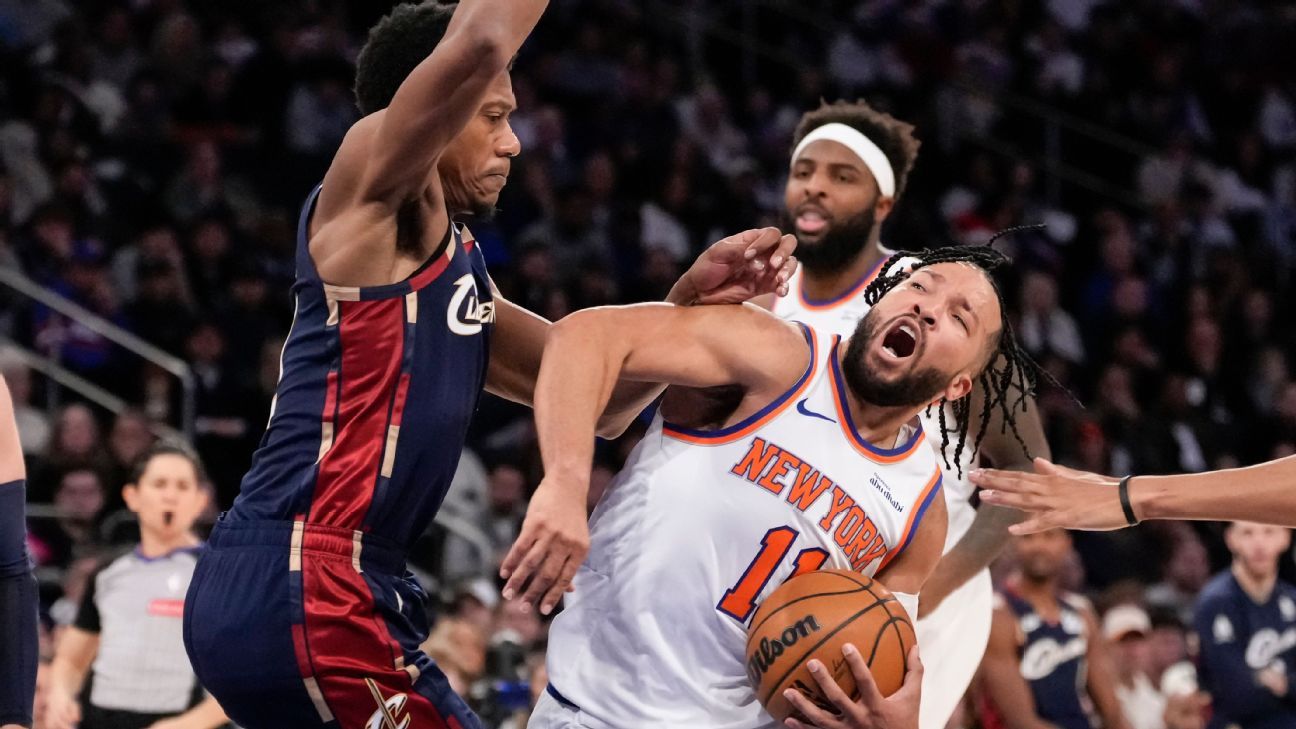
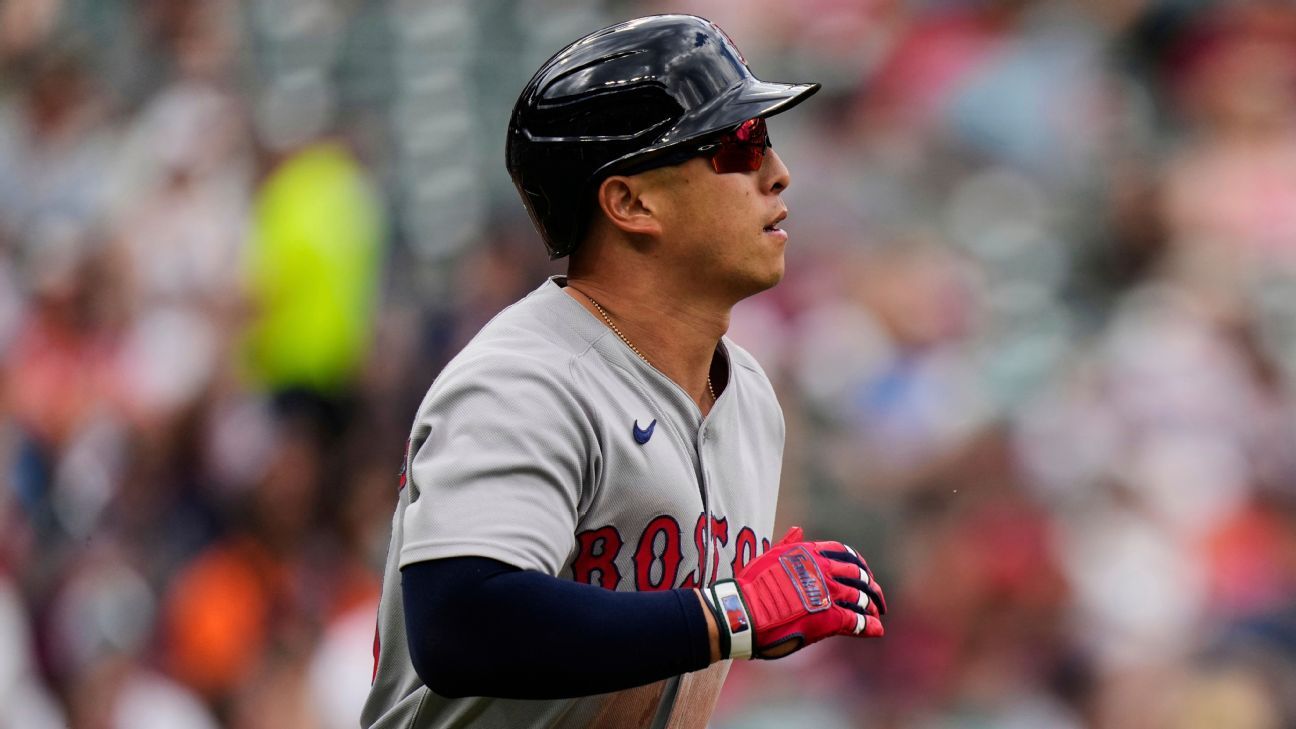
* Professional Sports Under Scrutiny: Major League Baseball players emmanuel clase and Luis Ortiz, along with NBA figures Chauncey Billups, Terry Rozier, and Damon Jones, have all faced accusations of involvement in illegal betting schemes in recent months. These cases have heightened awareness of the potential for corruption within professional sports.
* College Athletics Grappling with Integrity Issues: The collegiate level hasn’t been immune. Just weeks before the NCAA’s decision, the organization had already revoked the eligibility of six men’s basketball players due to alleged sports betting violations. Further fueling the debate, former Temple University guard Hysier Miller was accused of wagering on Owls games – including bets against his own team – on dozens of occasions.
* SEC Commissioner Voices Opposition: SEC Commissioner Greg Sankey was a vocal critic of the initial proposal, arguing that any adjustments to the existing policy should focus on “careful refinement” rather than a complete dismantling of existing safeguards. In a recent open letter, Sankey emphasized the importance of preserving the integrity of games and protecting the well-being of student-athletes. https://www.secsports.com/news/2024/10/27/sec-commissioner-greg-sankey-statement-ncaa-sports-betting-policy
These incidents collectively contributed to a climate of heightened anxiety within the NCAA, ultimately influencing the decision to reinstate the ban.
What Does This Mean for Student-Athletes and the Future of College Sports?
The NCAA’s decision effectively maintains the status quo, prohibiting student-athletes, coaches, and staff from engaging in any form of sports betting on professional or collegiate events. This aims to minimize potential conflicts of interest and protect the amateurism model of college sports.
Though, the issue of sports betting isn’t going away. As legal sports betting continues to expand across the United States, the NCAA will likely face ongoing pressure to adapt its policies. The challenge lies in finding a balance between acknowledging the realities of the modern sports landscape and upholding the principles of fair play and ethical conduct.
The NCAA is currently exploring enhanced education programs for student-athletes regarding the risks associated with sports betting and developing more robust monitoring systems to detect and prevent violations. https://www.ncaa.org/sports/gambling
**Evergreen Insights: The Evolving Relationship Between