
The Colorful World of Neanderthals: Evidence of Art, Culture, and Complex Thought
Have you ever wondered what life was like for our ancient relatives, the Neanderthals? For decades, they were often portrayed as brutish and simple. But mounting archaeological evidence is rewriting that narrative, revealing a species far more sophisticated and creative than previously imagined. recent discoveries strongly suggest Neanderthals weren’t just surviving; they were expressing themselves – through color.
This isn’t simply about practical uses like camouflage or sun protection. We’re talking about intentional pigment use, suggesting symbolic thought, cultural identity, and even…art. LetS dive into the engaging world of Neanderthal color preferences and what they tell us about our shared human story.
Beyond Survival: The Rise of Symbolic Color Use
For a long time, the use of ochre – a naturally occurring pigment – by Neanderthals was seen as possibly utilitarian. Perhaps it was used for hide tanning, adhesive, or even insect repellent. However, researchers like D’Errico and his colleagues are demonstrating a more compelling picture.
They argue that symbolic and practical functions are often intertwined in customary societies. A systematic use of pigments over extended periods likely required a symbolic dimension to sustain it. In other words, color wasn’t just about what it did; it was about what it meant.
Direct Evidence: What Are We Finding?
While speculation is inherent when studying the distant past, we’re moving beyond guesswork. Increasingly, archaeological sites are yielding direct evidence of Neanderthal pigment use with a clear symbolic intent.
What exactly does this evidence look like?
* Pigment Processing: Sites reveal evidence of ochre and manganese dioxide being deliberately ground, mixed, and prepared – not just found incidentally.
* Body Decoration: Evidence suggests Neanderthals painted themselves, potentially for rituals, social signaling, or personal adornment.
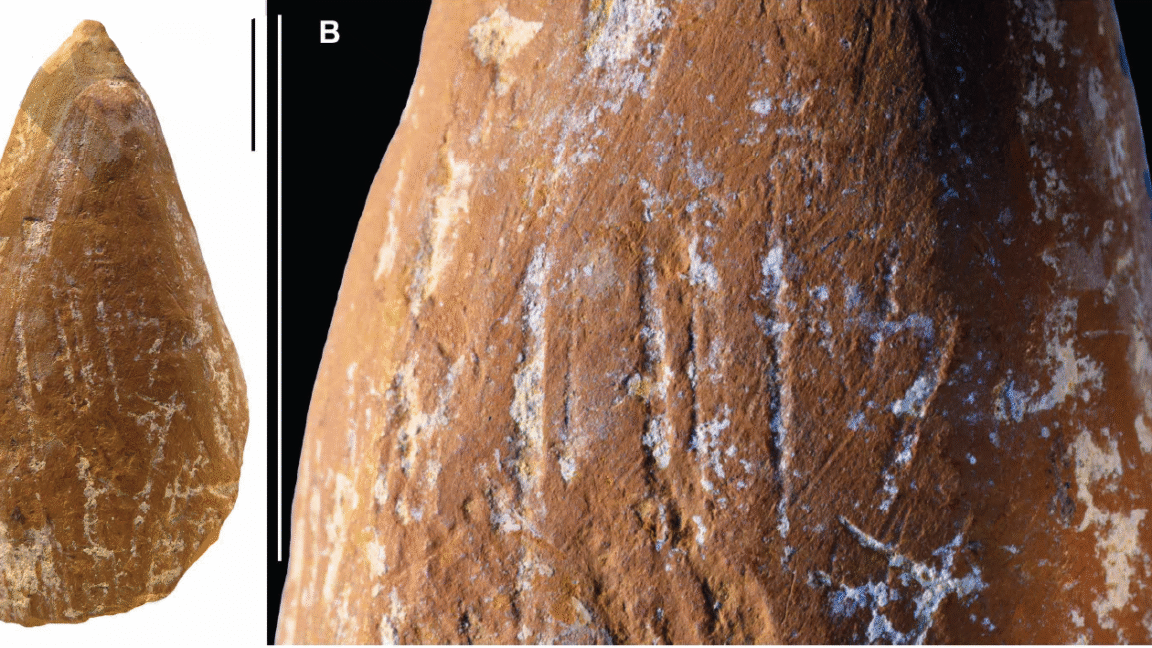
* Object Decoration: Pigments have been found on tools, bones, and even cave walls, indicating a desire to embellish thier surroundings.
* Intentional Deposits: Carefully arranged pigment deposits suggest deliberate acts, rather than accidental spills.
This isn’t about haphazard application. It’s about intentionality.
A patchwork of Preferences: Regional Variations in Color
Just like today,color preferences weren’t global among Neanderthals. The meaning of color likely varied significantly from place to place, mirroring the diversity of human cultures we see globally.
consider these examples:
* Europe: While red ochre was common, some regions showed a preference for manganese-based black pigments.
* Crimea: red and yellow pigments were particularly popular.
* Modern Parallels: Think about how white symbolizes purity and weddings in Western cultures,but represents mourning in many parts of Asia.
This variability suggests distinct cultural trajectories, potentially driven by community traditions, long-distance exchange, or local innovation. As D’Errico and his team note, it highlights the complexity of Neanderthal social structures.
What Does This Mean for Our Understanding of Neanderthals?
The growing body of evidence surrounding Neanderthal pigment use has profound implications.
* Intelligence and Innovation: It challenges the outdated stereotype of Neanderthals as intellectually inferior. They were demonstrably capable of abstract thought, planning, and creative expression.
* Sophisticated Culture: They possessed a nuanced culture, complete with traditions, social signaling, and potentially even artistic expression, long before Homo sapiens arrived in Eurasia.
* Shared Ancestry: It reinforces the idea that the impulse to create art and imbue objects with meaning is deeply rooted in our shared evolutionary history. We aren’t the sole originators of artistic expression; it’s a legacy inherited from our ancestors.
Ultimately, the colorful world of Neanderthals reveals a species far more akin to ourselves than we once believed.
Evergreen Insights: the Enduring Power of Symbolism
The Neanderthal use of color isn’t just a historical curiosity. It speaks to a fundamental aspect of the human experience: the need to create meaning. Throughout history,humans have used symbols – including color - to communicate,express identity,and connect with something larger than themselves.
This drive for symbolism is highly likely hardwired into our brains. It’s what allows us to build complex societies, create art, and find beauty in the world around us. The Neanderthals





