Nepal‘s Political Shift: Can a New generation Deliver Real Change?
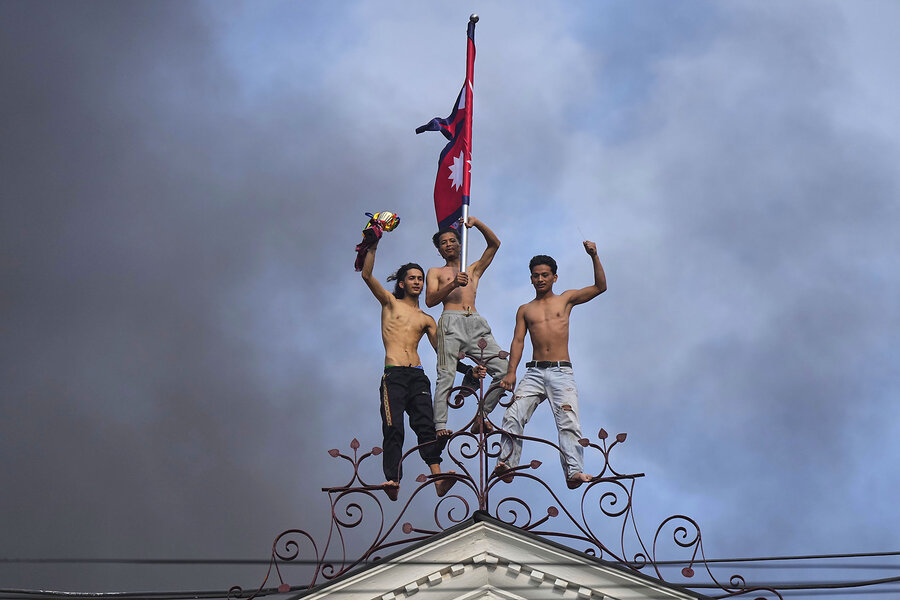
Recent scenes from Kathmandu paint a stark picture: government ministries ablaze, a nation demanding accountability. These dramatic protests have culminated in the appointment of Sushila Karki as interim prime minister, a move signaling a potential turning point for Nepal’s fragile democracy. But will this change truly address the deep-seated frustrations fueling the unrest,or is it merely a reshuffling of the deck?
A Youth-Driven Uprising
For years,young Nepalis have felt increasingly marginalized and unheard by the established political order. It’s a sentiment that’s now boiled over into widespread demonstrations. Even those actively involved in the youth wings of major parties – like the Nepal Congress and the Communist Party of Nepal - report feeling dismissed by older leadership.
This lack of portrayal has created a breeding ground for discontent. You can understand why a generation eager for progress feels locked out of the decision-making process. The appointment of Karki, chosen through a popular online poll, reflects a desire for someone perceived as untainted by the corruption that plagues the current system.
The Challenges Ahead
However, simply replacing leaders isn’t enough to dismantle entrenched problems. The core issue isn’t just who governs, but how Nepal is governed.Here’s a breakdown of the key challenges:
* Systemic Corruption: The existing party structure is deeply rooted in corrupt practices.
* Lack of Structural Reform: Without essential changes to the political system, dissatisfaction will likely persist.
* Potential for Co-option: There’s a real risk that established parties will absorb the energy of the protest movement, maintaining the status quo.
Experts suggest that while a younger generation of leaders might emerge, the underlying system could remain unchanged. This raises concerns that the cycle of corruption and disillusionment will continue.
A Delicate Balance
The coming months will be critical as Karki prepares for elections in March.Her success hinges on her ability to deliver tangible reforms and address the root causes of the unrest.It’s a tall order,requiring a delicate balance between appeasing the demands of the protesters and navigating the complexities of Nepal’s political landscape.
Consider this: many protesters already have ties – or will develop ties – to existing political parties. This could lead to a situation where the movement is absorbed into the vrey system it sought to challenge.
Ultimately,the future of democracy in Nepal depends on whether this moment of upheaval can translate into lasting,meaningful change. You, as an observer, should watch closely to see if the promise of a new generation can overcome the inertia of the old. The stakes are high,and the path forward is far from certain.