
Navigating Cultural Sensitivity: James Cameron and the World of Avatar
The release of each “Avatar” installment reignites a crucial conversation about cultural depiction and appropriation in filmmaking.James CameronS visually stunning world of Pandora, and specifically the Na’vi people, draws heavily from real-world indigenous cultures. This inspiration,while intended as homage,has sparked ongoing debate.
Let’s delve into the complexities surrounding these criticisms and how Cameron has responded.
The Initial Concerns: echoes of the Past
Initially, “Avatar” faced scrutiny for its perceived racial coding. The Na’vi, with their tribal structures, minimal clothing, painted skin, and reliance on bows and arrows, strongly resonated with stereotypical depictions of Native Americans. You might recall the frequent comparisons to Kevin Costner’s “Dances with wolves,” a film exploring similar themes of cultural immersion and colonization.
this isn’t accidental. Cameron himself has acknowledged the influence of various indigenous cultures, but the initial presentation raised concerns about perpetuating harmful tropes.
Expanding the Palette: The Metkayina and Māori Influence
With ”Avatar: The Way of Water,” Cameron sought to broaden the cultural influences informing the Na’vi. He turned to the Māori people of New Zealand for inspiration, especially in the creation of the Metkayina clan.
Notably, Cliff Curtis, who portrays Chief Tonowari, is Māori himself, bringing authentic representation to the screen. This shift was a intentional attempt to move beyond the initial,more generalized influences.
Addressing the Criticism: Acknowledgment and Responsibility
Cameron hasn’t shied away from the criticism leveled against him. He understands the sensitivity surrounding cultural appropriation and the importance of listening to those directly affected.
He’s stated unequivocally that “the people who have been victimized historically are always right.” This demonstrates a willingness to acknowledge the power dynamics at play and the potential for harm, even with good intentions. He also emphasizes the need for respect when drawing inspiration from other cultures, stating he doesn’t believe in simply “grabbing” from them as a writer.
The Ash People and Ongoing Dialog
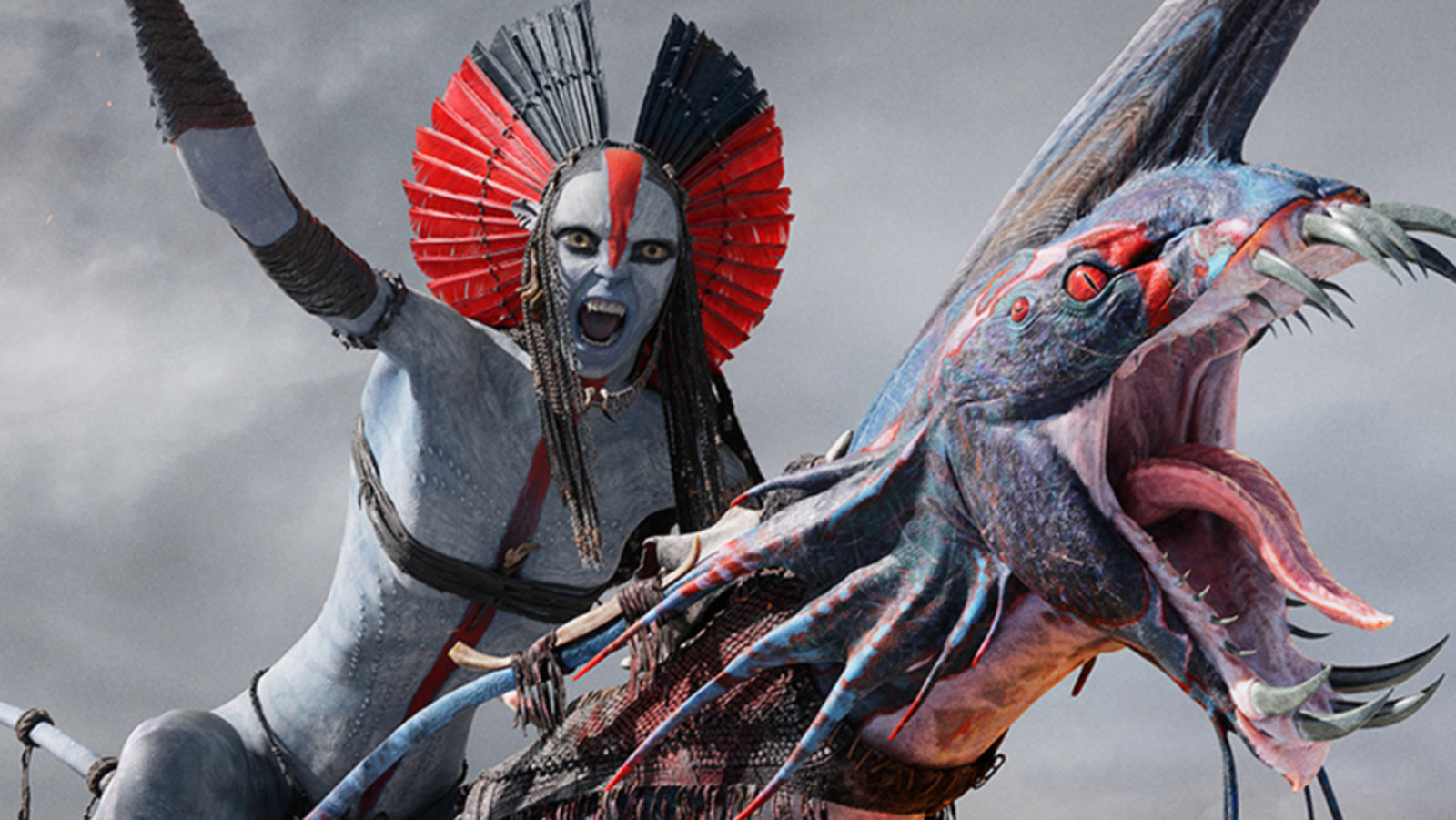
The newest clan, the Ash People featured in “Avatar: fire and Ash,” continues this conversation. Their traditions, like fire dancing, again draw from real-world cultural practices.
Ultimately, it’s not Cameron’s place to unilaterally determine whether his cultural allusions are appropriate. It’s a dialogue that requires ongoing engagement with the communities whose cultures inspire his work.
Cameron’s willingness to listen and adapt is a positive step. Though, the responsibility of ensuring respectful and accurate representation remains paramount.
“Avatar: Fire and Ash” is currently playing in theaters, and with it, the vital conversation about cultural sensitivity in storytelling continues.


