Federal Crackdown in New Orleans sparks Debate Over Immigration Enforcement & Sanctuary Policies
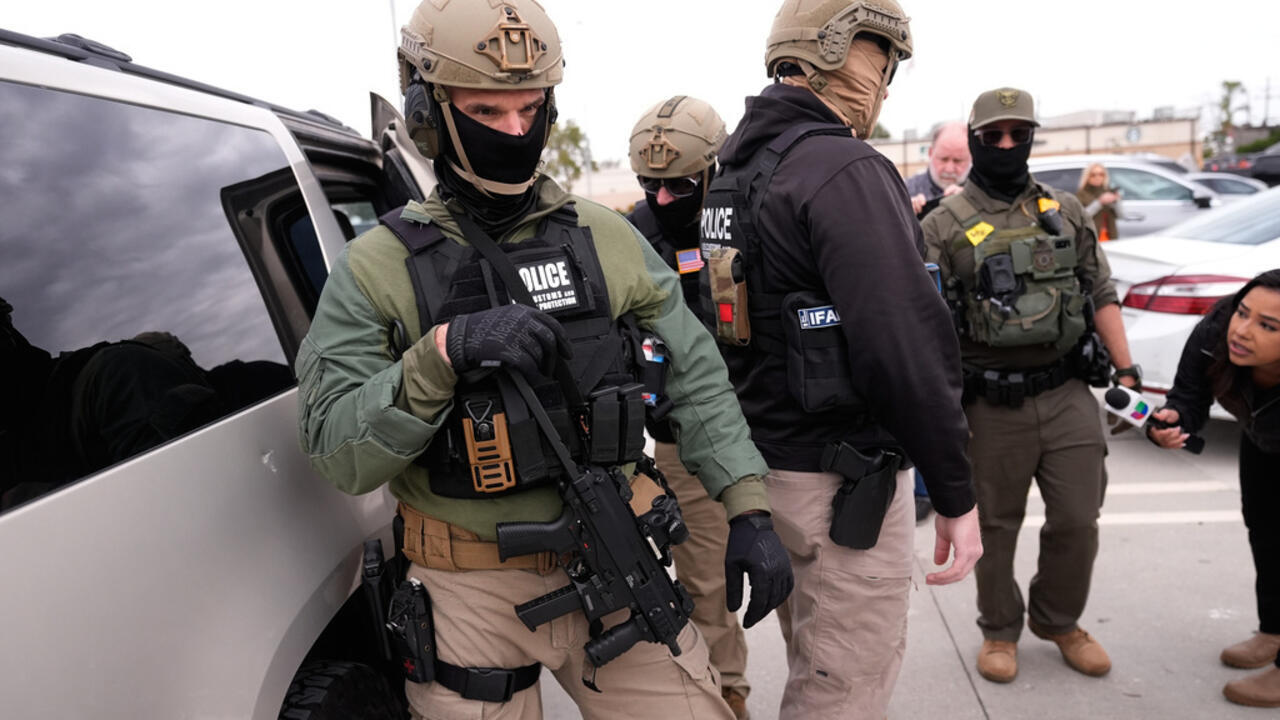
The Department of Homeland Security (DHS) has initiated a significant immigration enforcement operation in New Orleans, Louisiana, escalating tensions with city officials over its sanctuary policies. This move, announced earlier this week, comes amidst a broader national crackdown promised by President donald Trump during his campaign and follows similar actions in cities like Los Angeles, Washington D.C., and Memphis.
But what’s driving this escalation, and what does it mean for residents of New Orleans? Let’s break down the situation.
Understanding the Conflict: Sanctuary Policies & Federal Authority
At the heart of the issue lies a disagreement over how local law enforcement should cooperate with federal immigration agents. New Orleans’ sanctuary policies limit this cooperation, a practise the Trump administration argues hinders the enforcement of federal law and compromises public safety.
DHS officials claim the operation targets “illegal criminal aliens” wanted for serious offenses, including home invasion, armed robbery, grand theft auto, and rape. Assistant secretary Tricia McLaughlin stated the administration is “restoring law and order for the American people.”
However,critics – including the incoming mayor of New Orleans – raise concerns about the tactics employed and the potential for overreach.
Trump’s plan: National Guard Deployment & Increased Enforcement
President Trump has announced plans to deploy National Guard troops to New Orleans, at the request of Louisiana’s Republican governor. He framed the move as necessary to combat crime and bolster the immigration crackdown.
This isn’t the first time Trump has considered deploying the National Guard to address perceived issues with immigration and crime. Previous deployments in other cities have been met with mixed reactions, with some local leaders questioning their necessity.
Concerns from New Orleans: due Process & Openness
Mayor-elect Helena Moreno, who will take office on January 12th, has voiced apprehension about the potential impact of these federal operations. She acknowledges the desire to remove violent criminals from the streets, but worries about the methods used.
Moreno specifically highlighted concerns about:
* Targeting based on ethnicity: She fears Border Patrol may be disproportionately targeting individuals based on their appearance.
* Due process violations: She questions whether the rights of those detained are being fully respected.
* Lack of agent identification: The use of masks by federal agents raises safety concerns for both the public and the agents themselves. “If you are a masked person…grabbing them, it can be a real safety issue,” she stated.
The Data: Criminal Convictions vs. Immigration enforcement
the Trump administration asserts that most individuals caught in these crackdowns have committed crimes. However, data paints a different picture.
A recent study by the Cato Institute found that:
* Onyl 5% of those taken into ICE custody sence October 1st had a violent criminal conviction.
* A significant 73% had no criminal conviction at all.
This discrepancy raises questions about the focus of the enforcement efforts and whether they align with stated priorities.
What This Means for You
If you live in New Orleans, or are concerned about immigration enforcement in your community, it’s important to stay informed. Here’s what you should know:
* Know your rights: Familiarize yourself with your rights if you are approached by immigration officials. Resources are available from organizations like the ACLU and immigrant advocacy groups.
* Seek legal counsel: If you or someone you know is detained by immigration authorities, seek legal assistance instantly.
* Stay engaged: Follow local news and engage with your elected officials to voice your concerns and advocate for policies that reflect your values.
The situation in New Orleans is a microcosm of the larger national debate surrounding immigration enforcement and the role of sanctuary cities. As the DHS operation unfolds and the new mayor takes office, expect continued discussion and potential legal challenges.
Resources:
* France 24 - Trump halts immigration applications from 19 ‘high-risk’ countries
*[CatoInstitute-ImmigrationEnforcement[CatoInstitute-ImmigrationEnforcement[CatoInstitute-ImmigrationEnforcement[CatoInstitute-ImmigrationEnforcement