
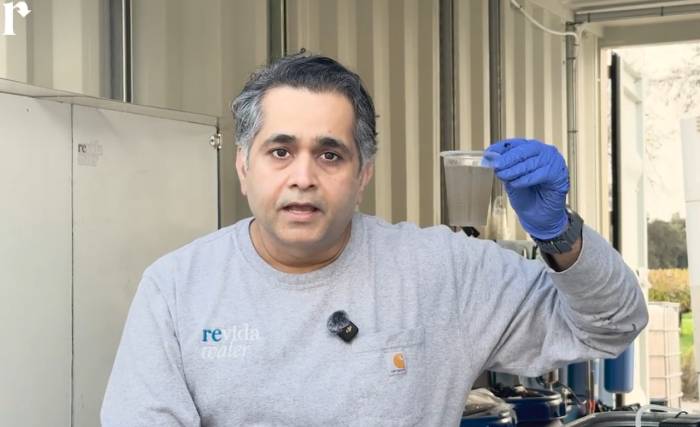
Water scarcity and sustainable resource management have become critical priorities for California’s agricultural sector. In an effort to address these challenges, a fresh technological approach is being tested in Davis, California, focusing on the conversion of winery wastewater into potable water during the 2025 harvest season.
This initiative targets the significant volume of effluent produced by the state’s wine industry. With more than 1,500 wineries operating across California, the potential for large-scale water recovery is substantial, offering a possible solution to reduce the environmental footprint of viticulture while securing a reliable water source.
The project in Davis serves as a critical testing ground for the startup’s technology, aiming to prove that industrial wastewater from the winemaking process can be purified to meet drinking water standards. If successful, this model could be scaled to assist wineries throughout the region in mitigating their reliance on groundwater and municipal supplies.
Addressing the Challenge of Winery Wastewater
Winery wastewater is characterized by high organic loads, including grape solids, sugars, and acids, which make it challenging to treat using traditional methods. The conversion process requires advanced filtration and purification stages to remove these contaminants and ensure the resulting water is safe for human consumption.

The implementation of this technology during the 2025 harvest is timed to coincide with the period of maximum water usage and waste production in the industry. By treating water at the source, wineries can potentially create a circular water economy, reducing the amount of waste discharged into the environment and decreasing the demand for fresh water intake.
The Impact on California’s Viticulture
For the 1,500-plus wineries in California, water management is not just an environmental concern but a business necessity. Drought conditions and tightening regulations on water usage have pushed producers to seek innovative ways to optimize their resources. The ability to transform waste into a potable asset represents a significant shift in how the industry views its operational byproducts.
Beyond the immediate benefit of water recovery, such systems can help wineries comply with stricter environmental standards regarding wastewater discharge. By purifying water for reuse or consumption, the industry can lower its overall impact on local watersheds and aquifers.
Future Outlook for Water Recovery
The success of the Davis test will provide essential data on the efficiency, cost, and scalability of the purification technology. This will determine whether the system can be realistically deployed across various winery sizes, from boutique operations to large-scale industrial producers.
As the industry moves toward more sustainable practices, the integration of wastewater-to-potable water technology could become a standard component of winery infrastructure. This transition would align the wine industry with broader global trends in water stewardship and the adoption of “green” technologies in agriculture.
Further updates on the results of the 2025 harvest test are expected as the startup analyzes the quality and volume of the recovered water. We encourage readers to share this article and leave their comments on the future of sustainable agriculture in California.