
New zealand Declares War on Feral Cats: A Bold Move for Biodiversity
New Zealand is embarking on an ambitious and, for some, controversial mission: the complete eradication of feral cats by 2050. This significant step underscores the nation’s commitment to protecting its unique and vulnerable native wildlife. For decades, these introduced predators have wreaked havoc on the country’s delicate ecosystems, and now, a comprehensive strategy is being developed to address the issue head-on.
The Devastating Impact of Feral Cats
Feral cats pose a considerable threat to New Zealand’s biodiversity. they are opportunistic hunters, and their presence has already driven some species to the brink. Consider these alarming facts:
* Over 100 short-tailed bats were tragically lost near Ohakune due to feral cat predation.
* The southern dotterel bird population on Stewart Island has been pushed dangerously close to extinction.
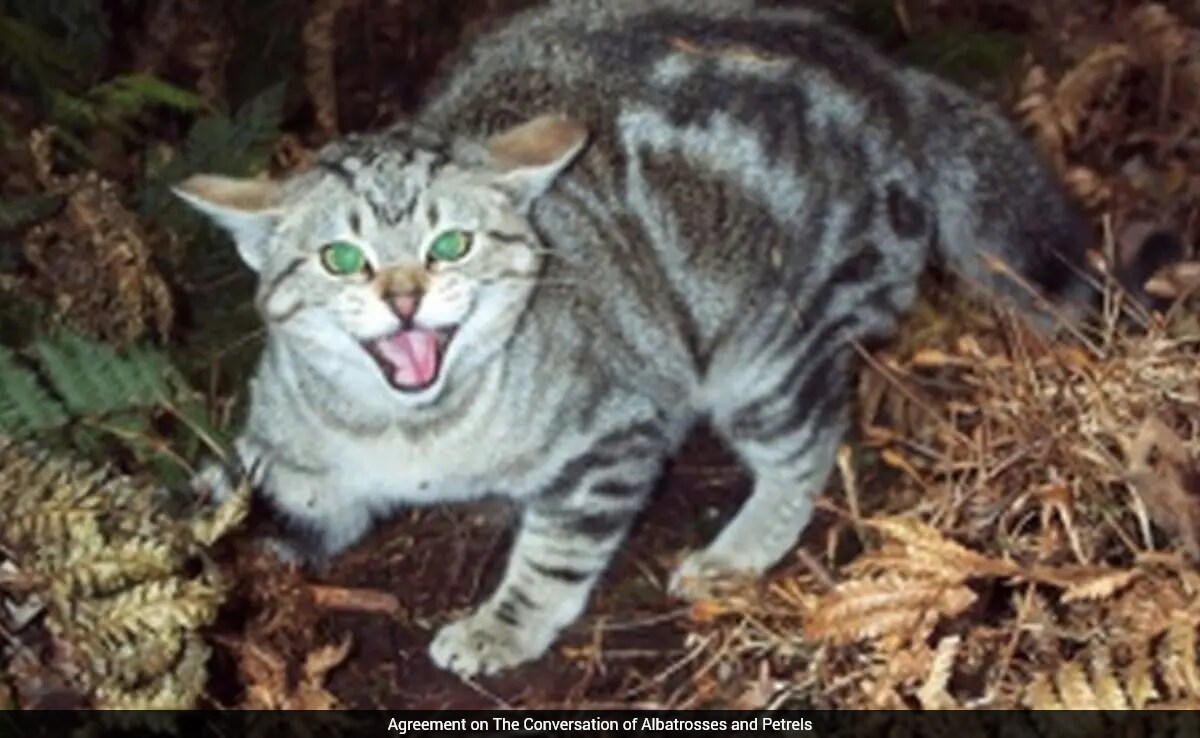
* An estimated 2.5 million feral cats roam New Zealand’s forests and islands, growing to notable sizes – up to 1 meter long and weighing as much as 7 kg.
These cats aren’t just a threat to wildlife; they also impact human interests. They can spread diseases like toxoplasmosis, which can affect dolphins, compromise human health, and cause economic losses for farmers through livestock infection.
A National strategy: Predator-Free 2050
This initiative isn’t a sudden decision. it builds upon the success of the existing Predator-Free 2050 strategy, a government-led program focused on eliminating invasive predators. Previously, this strategy has successfully targeted ferrets, stoats, weasels, rats, and possums. Now,feral cats are being added to the list,marking a significant expansion of the program.
removing feral cats will deliver multiple benefits, including:
* Boosting biodiversity and allowing native species to thrive.
* Preserving New Zealand’s unique heritage landscapes.
* Maintaining the country’s distinct ecological identity.
The Proposed Solution: Baiting and Controversy
The Department of conservation (DOC) is currently testing a new approach to control the feral cat population. It involves a two-step baiting process. First, cats will be attracted with harmless bait. Then, they will be exposed to a poisoned bait containing 1080, a chemical already used for controlling other pests.
Though, this method isn’t without its critics. Concerns have been raised about the potential for non-target animals to be harmed. DOC is actively working on strategies to minimize these risks and ensure the approach is as targeted as possible.
What’s Next?
You can expect a detailed strategy outlining the plan for feral cat eradication to be released by March 2026. This plan will address the complexities of the issue and outline the specific methods that will be employed.
New Zealand’s decision to tackle the feral cat problem is a bold one. It demonstrates a clear commitment to protecting its natural heritage. While challenges undoubtedly lie ahead, the nation is resolute to safeguard its unique biodiversity for generations to come.it’s a reminder that sometimes, difficult choices are necessary to preserve the natural world we cherish.


