
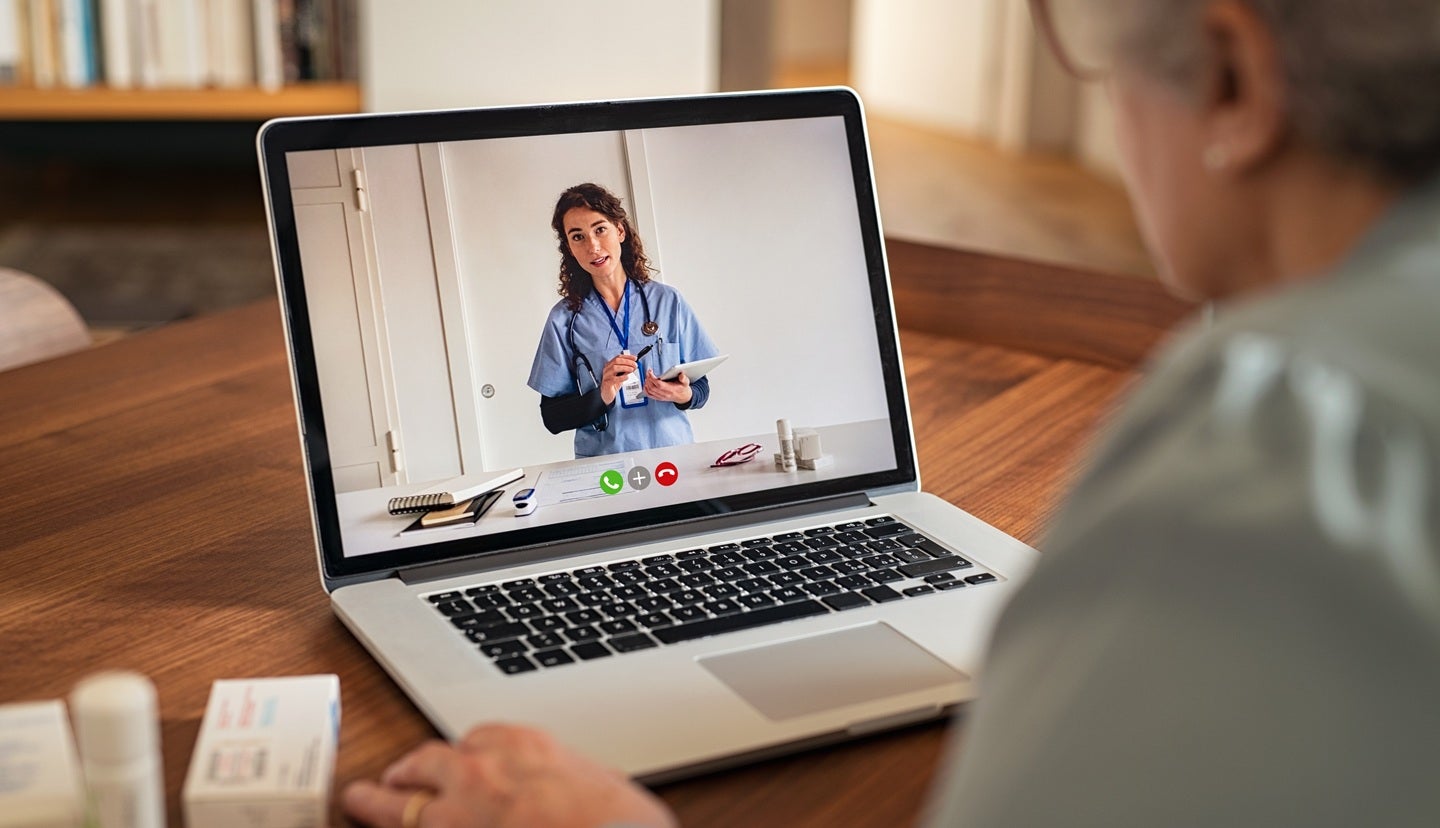
The landscape of healthcare is evolving, and a meaningful part of that change involves streamlining access to specialist care. Increasingly,patients are finding convenient pathways to consultations and initial assessments without lengthy waits or the need for immediate in-person visits. Several key specialties are leading this shift, including ear, nose, and throat (ENT); cardiology; respiratory medicine; and urology.
This conversion is powered by digital tools and remote monitoring.You can now often complete detailed medical questionnaires directly thru the NHS app,providing clinicians with valuable data upfront. Routine local tests, such as blood pressure checks or urine analysis, are also becoming standard practice before a specialist appointment.
Here’s how this new approach benefits you:
* Reduced Waiting Times: initial assessments can be expedited, getting you closer to a diagnosis and treatment plan faster.
* Convenience: Completing forms and undergoing basic tests locally saves you travel time and potential disruption to your schedule.
* Remote Review: Specialists can review your results remotely, allowing for efficient triage and prioritization of cases.
* Informed consultations: When you do meet with a specialist, the consultation is more focused and productive, as they already have a foundation of information.
I’ve found that this blended approach – combining digital access with local testing – is notably effective in managing chronic conditions. for example, in respiratory medicine, remote monitoring of peak flow readings can help adjust medication dosages proactively.
Here’s what works best for a smooth experience:
- Download the NHS App: Familiarize yourself with its features and ensure your information is up-to-date.
- Complete Forms Thoroughly: Provide as much detail as possible when filling out digital questionnaires.
- Follow Testing Instructions: Adhere to the guidelines provided for any local tests you need to undergo.
- Be Prepared to Discuss Results: When you speak with a clinician, be ready to discuss your results and any concerns you may have.
Ultimately, these changes aim to make specialist healthcare more accessible, efficient, and patient-centered.It’s a positive step towards a more proactive and preventative approach to your health.
This shift isn’t just about technology; it’s about empowering you to take control of your healthcare journey. By embracing these new tools and processes, you can navigate the system with greater ease and confidence.





