
Nigeria & US joint Military Action Against Jihadist Groups: A Deep Dive
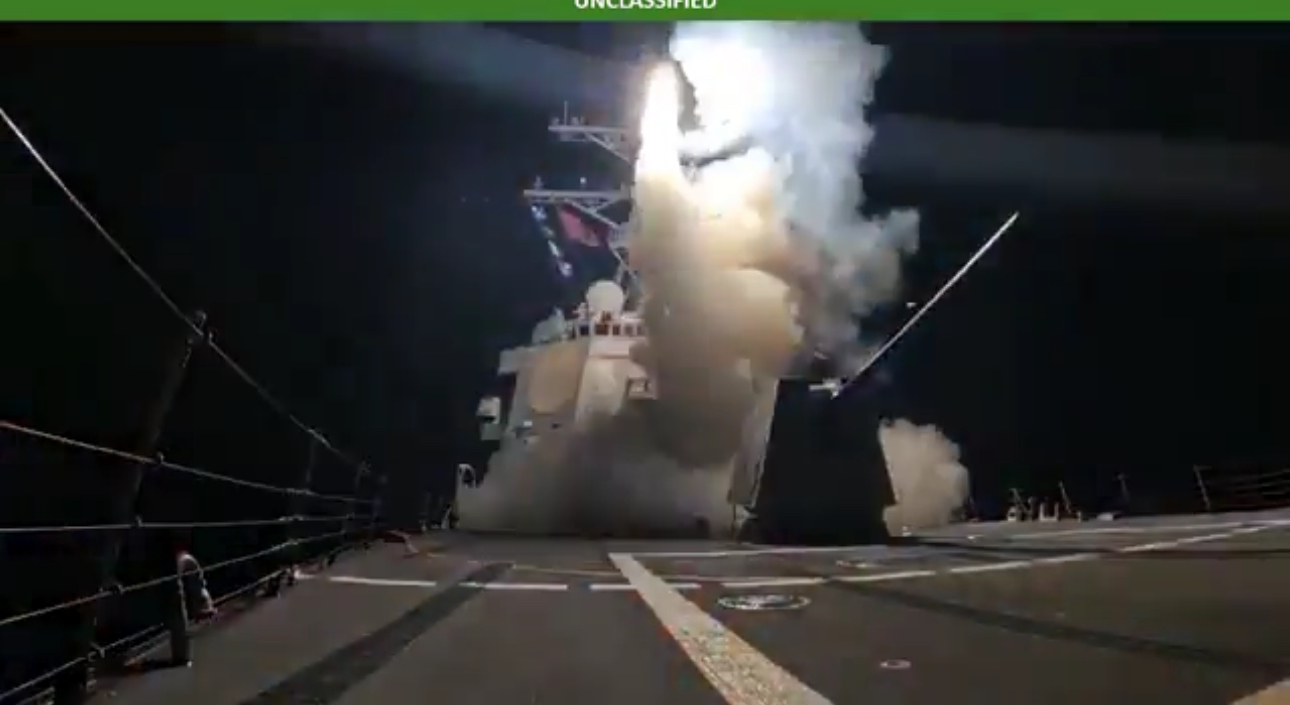
Recent coordinated military action between Nigeria and the United States, culminating in a Christmas Day bombardment of suspected jihadist targets in nigeria’s Sokoto State, signals a important escalation in the fight against escalating insecurity in West Africa. This event, while welcomed by Abuja, arrives amidst a complex backdrop of diplomatic tensions and a multifaceted security crisis demanding nuanced understanding. This article provides an in-depth analysis of the situation,exploring the context,implications,and future outlook of this evolving partnership.
The security Landscape in Nigeria: A Convergence of Crises
Nigeria currently grapples with interwoven security challenges, primarily concentrated in the northern regions. For over a decade, the northeast has been ravaged by the Boko Haram insurgency and its splinter groups, resulting in widespread displacement, loss of life, and regional instability. Together, the northwest experiences escalating violence perpetrated by armed “bandit” groups, engaging in cattle rustling, village raids, and large-scale kidnappings for ransom.
These aren’t isolated incidents. Increasingly, researchers are observing a concerning convergence between these groups, with elements of bandit groups like Lakurawa forging links with transnational jihadist organizations such as Islamic State Sahel Province (ISSP) and, reportedly, even al-Qaeda affiliated groups like JNIM (the Group for Support of Islam and Muslims). While the extent of these affiliations remains a subject of ongoing debate – the term “Lakurawa” itself being applied to diverse armed factions – the potential for increased coordination and sophistication is a serious threat.
This complex interplay necessitates a multi-pronged approach, moving beyond localized responses to address the root causes of radicalization and the flow of arms and personnel across porous borders.
The US Strikes: Intelligence Sharing and Diplomatic Context
The recent US strikes, carried out by US Africa Command and targeting “multiple ISIS terrorists,” were reportedly based on intelligence provided by Nigeria. Foreign Minister yusuf tuggar confirmed Nigeria’s role in the operation, stating he was in direct dialog with US State Secretary Marco Rubio prior to the bombardment.This collaboration represents a notable shift, occurring after a period of diplomatic friction between Abuja and Washington.
The tension stemmed from former US President Trump’s characterization of violence in Nigeria as religious “persecution” of Christians. while the Nigerian government and independent analysts dispute this framing – emphasizing the broader, often ethnically and economically motivated, nature of the conflicts – the issue prompted increased scrutiny from the US and ultimately lead to enhanced security cooperation.
President Tinubu’s management has signaled its willingness to collaborate, with Tuggar explicitly stating that Tinubu “gave the go-ahead” for the strikes. This willingness, however, is also influenced by a desire to demonstrate cooperation with the US, particularly given the diplomatic pressure exerted. As abuja-based researcher Malik Samuel notes, the Nigerian authorities are keen to be seen as working with the US, even acknowledging that the victims and perpetrators in the northwest are predominantly Muslim.
Beyond Immediate Action: A Long-Term Strategy?
The question remains whether this joint operation represents a one-off event or the beginning of a sustained, coordinated effort. Tuggar indicated that further strikes are “an ongoing thing,” with Nigeria also collaborating with othre international partners. However, a truly effective strategy requires more than just military intervention.
Key elements for long-term success include:
* Addressing Root Causes: Poverty, lack of prospect, and marginalization fuel recruitment into extremist groups.Lasting development initiatives and inclusive governance are crucial.
* Strengthening Local Security Forces: Investing in training, equipment, and intelligence capabilities for the Nigerian military and police is paramount.
* Border Security: Enhanced border control and regional cooperation are essential to stem the flow of arms and foreign fighters.
* Counter-Narrative Strategies: Combating extremist ideologies through education, community engagement, and alternative narratives is vital.
* Humanitarian Assistance: Providing support to displaced populations and addressing the humanitarian consequences of the conflict is critical.
The role of ISSP and JNIM: A Shifting Landscape
The potential involvement of Islamic State Sahel Province (ISSP) and JNIM adds another layer of complexity. ISSP, primarily active in neighboring Niger and Mali, has been attempting to expand its influence southward. JNIM,a rival al-Qaeda affiliate,also operates in the region. The reported links between Lakurawa and these groups raise concerns about the potential for increased regional instability and the spread of extremist ideologies. Understanding the dynamics between these groups – their competition, cooperation, and evolving strategies – is crucial for developing effective counter-terrorism measures.
Timeless Insights: The Importance of Context and Collaboration
The situation in Nigeria underscores





