Nigeria’s Innovation Minister Resigns Amidst Academic Credential Forgery Allegations: A Deep Dive
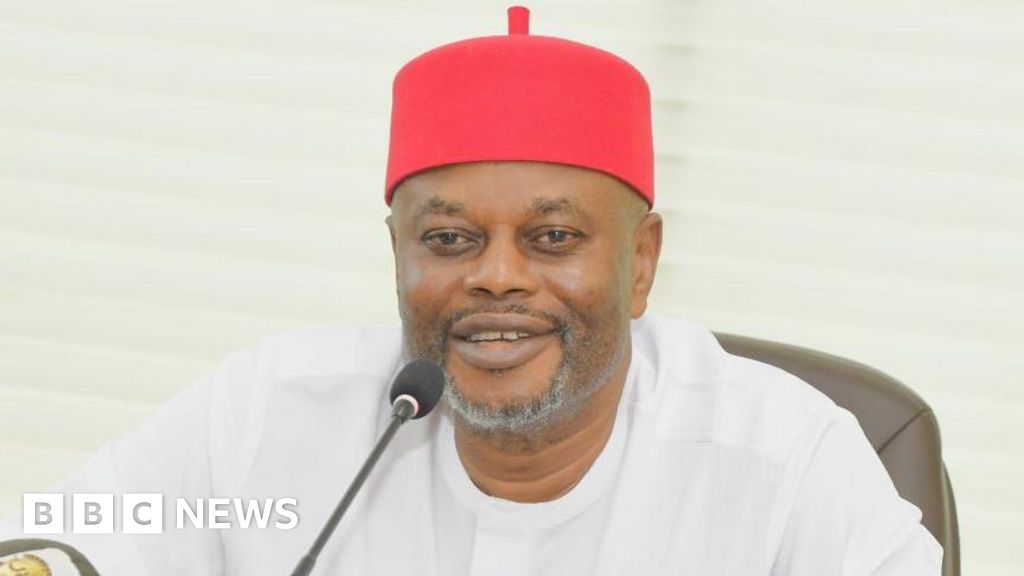
The recent resignation of Nigeria’s Minister of Innovation, Science and Technology, Uche Nnaji, has sent ripples through the nation’s political landscape. This follows serious allegations concerning the authenticity of his academic credentials,raising questions about due diligence in ministerial appointments and the standards of public office. But what exactly happened, and what does this mean for Nigeria’s governance?
The Allegations Unfold
The controversy began with a detailed investigation by Premium Times newspaper, alleging that Minister Nnaji submitted falsified certificates during his 2023 appointment by President Bola Tinubu. The newspaper’s two-year investigation uncovered discrepancies in Nnaji’s claimed educational background.
Specifically, the allegations center around his purported Bachelor of Science degree in Microbiology/biochemistry from the university of Nigeria, nsukka (UNN) in 1985.UNN reportedly stated they have no record confirming his graduation in that year. A senior university official indicated Nnaji was admitted in 1981 but did not complete his studies or receive a degree.
Further compounding the issue,the National Youth Service Corps (NYSC) – a mandatory national service program for Nigerian graduates – also reported being unable to verify the authenticity of the certificate presented by Nnaji in April 2023. This lack of verification adds important weight to the forgery claims.
Nnaji’s response and Resignation
Minister Nnaji vehemently denies the accusations, maintaining that he did indeed graduate from UNN.He attributes the allegations to a smear campaign orchestrated by political opponents,claiming he has been a “target of blackmail.”
However,facing mounting pressure and public scrutiny,Nnaji submitted his resignation on Tuesday.Presidential spokesperson Bayo onanuga confirmed the resignation via a post on X (formerly Twitter), quoting the minister’s statement regarding political opposition.
Political Fallout and Calls for Investigation
The allegations and subsequent resignation have ignited a national debate.Opposition leader Atiku Abubakar has demanded a thorough and obvious investigation into the matter. He argues that Nnaji should have faced immediate dismissal and prosecution if the allegations are proven true.
“Nigerians deserve to know the truth about those who preside over their lives and resources,” Abubakar stated on X, highlighting the importance of accountability in public service. This sentiment reflects a growing demand for integrity and openness within the Nigerian government.
A Rare Occurrence: Ministerial Departures Under Tinubu
The resignation of Uche Nnaji marks only the second ministerial departure as President Tinubu assumed office in May 2023. In January, Betta Edu, the then Minister of Humanitarian Affairs and Poverty Alleviation, was suspended following a corruption scandal – though she also denied any wrongdoing.
This contrasts sharply with the tenure of former President Muhammadu buhari, who only dismissed two ministers during his eight years in power. The recent events suggest a potentially evolving approach to accountability within the current administration, though the speed and thoroughness of investigations remain key.
Evergreen Insights: The Importance of Verification in Public Appointments
This situation underscores a critical need for robust verification processes during the appointment of public officials.Here’s why this is so vital:
* Maintaining Public Trust: when leaders are perceived as dishonest or lacking integrity,it erodes public trust in government institutions.
* Good Governance: Accurate credentials ensure that individuals possess the necessary qualifications and expertise to effectively perform their duties.
* Preventing Corruption: Thorough vetting can help identify potential conflicts of interest or past misconduct.
* Strengthening Democracy: Accountability and transparency are cornerstones of a healthy democracy.
Investing in thorough background checks and verification systems isn’t just about preventing scandals; it’s about building a stronger, more trustworthy government for all Nigerians.
FAQ: Addressing Your Questions About the Nnaji Resignation
1.what are the specific allegations against Uche Nnaji? The allegations center around claims that Minister nnaji falsified his academic credentials, specifically his Bachelor of Science degree from the University of Nigeria, Nsukka (UNN).
2. What role did Premium Times play in this situation? Premium Times conducted a two-year investigation that brought the allegations of academic forgery to light, prompting public scrutiny and ultimately leading to Nnaji’s resignation.
3. Has the Nigerian government launched an official investigation? While opposition figures have called for an investigation,