
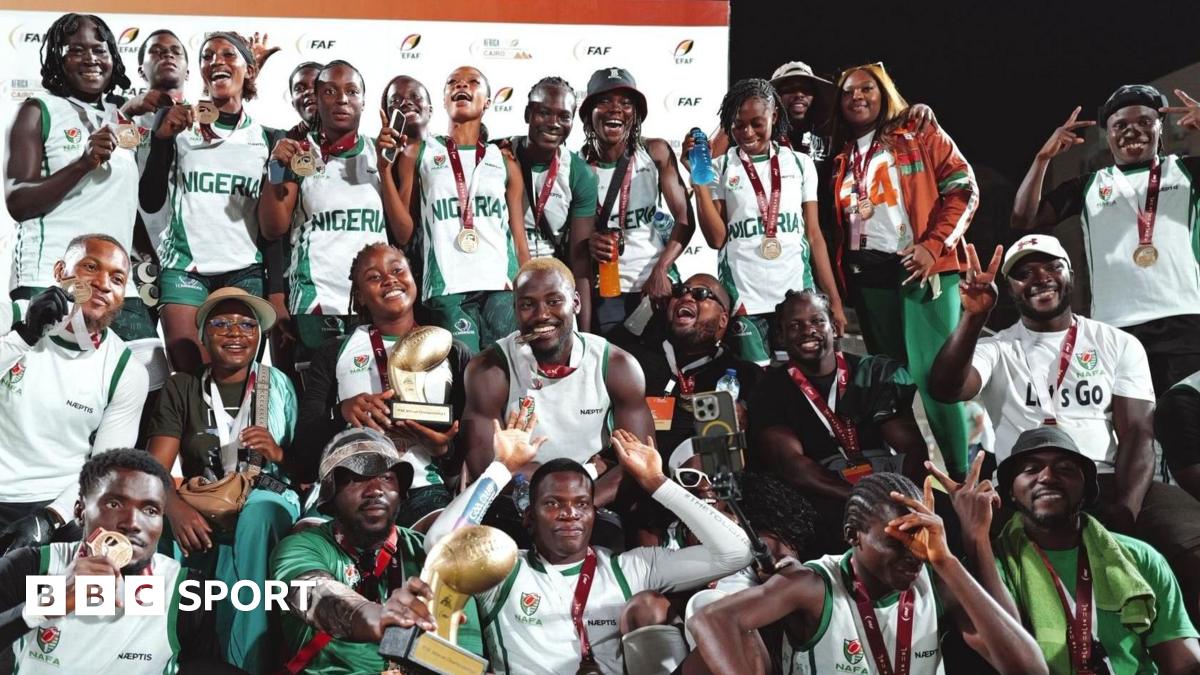
Nigeria’s Flag football Triumph: Road to LA 2028 and Beyond
Nigeria has etched its name in sporting history, securing both the men’s and women’s titles at the inaugural African Flag Football Championship. This victory isn’t just a win for Nigerian athletes; it’s a pivotal moment for the rapidly growing sport of flag football and a direct pathway to the 2028 Los Angeles Olympics. But what does this mean for the future of the sport in Africa, and what can we expect from Nigeria’s journey to LA?
This non-contact version of American football, where players ‘flag’ opponents instead of tackling, is gaining immense popularity. It’s faster-paced, more accessible, and emphasizes skill and strategy. The inclusion of flag football in the 2028 Olympics – a decision announced by the International Olympic Committee (IOC) in late 2023 - has further fueled this growth. https://olympics.com/en/news/flag-football-to-make-olympic-debut-at-la28
A historic Win & Direct Qualification
Nigeria’s success in Egypt wasn’t merely symbolic, as Oluwaseye Obatolu, Vice President of the Nigeria American Football Association (Nafa), stated. It represents a groundbreaking achievement – becoming the first African nation to qualify for the Flag Football World Championships.
This direct qualification is a massive step. It provides invaluable international competition experience and a platform to showcase African talent on a global stage.The inaugural African Championship, organized by the International Federation of American Football (IFAF), featured 11 teams from eight countries, demonstrating the continent’s growing enthusiasm for the sport.
What Makes Flag Football Different?
Understanding the nuances of flag football is key to appreciating Nigeria’s achievement.Here’s a swift breakdown:
Non-Contact: Eliminates tackling, reducing injury risk.
Flag Belts: Players wear belts with flags that opponents must pull to stop the play.
Passing Focus: Emphasizes throwing, catching, and route running.
Strategic Gameplay: Requires quick thinking,agility,and teamwork.
Accessibility: Lower equipment costs and fewer player requirements make it more accessible than tackle football.
Nigeria’s Strategy for LA 2028
Obatolu’s statement is clear: Nigeria isn’t just participating in the World Championships; they’re aiming to compete. This ambition requires a strategic approach. Here’s what we can anticipate:
- Intensive Training: Focus on refining skills, building team cohesion, and developing advanced strategies.
- International Exposure: Participating in more international tournaments to gain experience against diverse opponents.
- Youth Development: Investing in grassroots programs to nurture future talent. A recent study by the Sports & Fitness Industry Association (SFIA) showed a 22% increase in youth flag football participation in the US in 2023, highlighting the sport’s appeal to younger generations.
- Strategic Partnerships: Collaborating with experienced coaches and organizations to enhance training methodologies.
- Funding & Sponsorship: Securing financial support to cover training costs, travel expenses, and equipment.

Batman & Casper Re-Releases: Classic Films Return to Cinemas
Ukraine Drone Procurement: Corruption Probe Targets Military Officials


Related Posts

AEW Dynamite Spoilers: Full Results & Key Moments (Tonight!)
December 24, 2025
AEW Dynamite: Continental Classic Preview, Start Time & Match Car ...
December 24, 2025

![Hamilton Christmas Eve Robbery: 3 Youths Arrested | [Year] Update](https://media.rnztools.nz/rnz/image/upload/s--nP7cJMJH--/t_tohu-badge-facebook/v1666821097/4LJ9HX0_IMG_1842_1_jpg?_a=BACCd2AD "Hamilton Christmas Eve Robbery: 3 Youths Arrested | [Year] Update")


