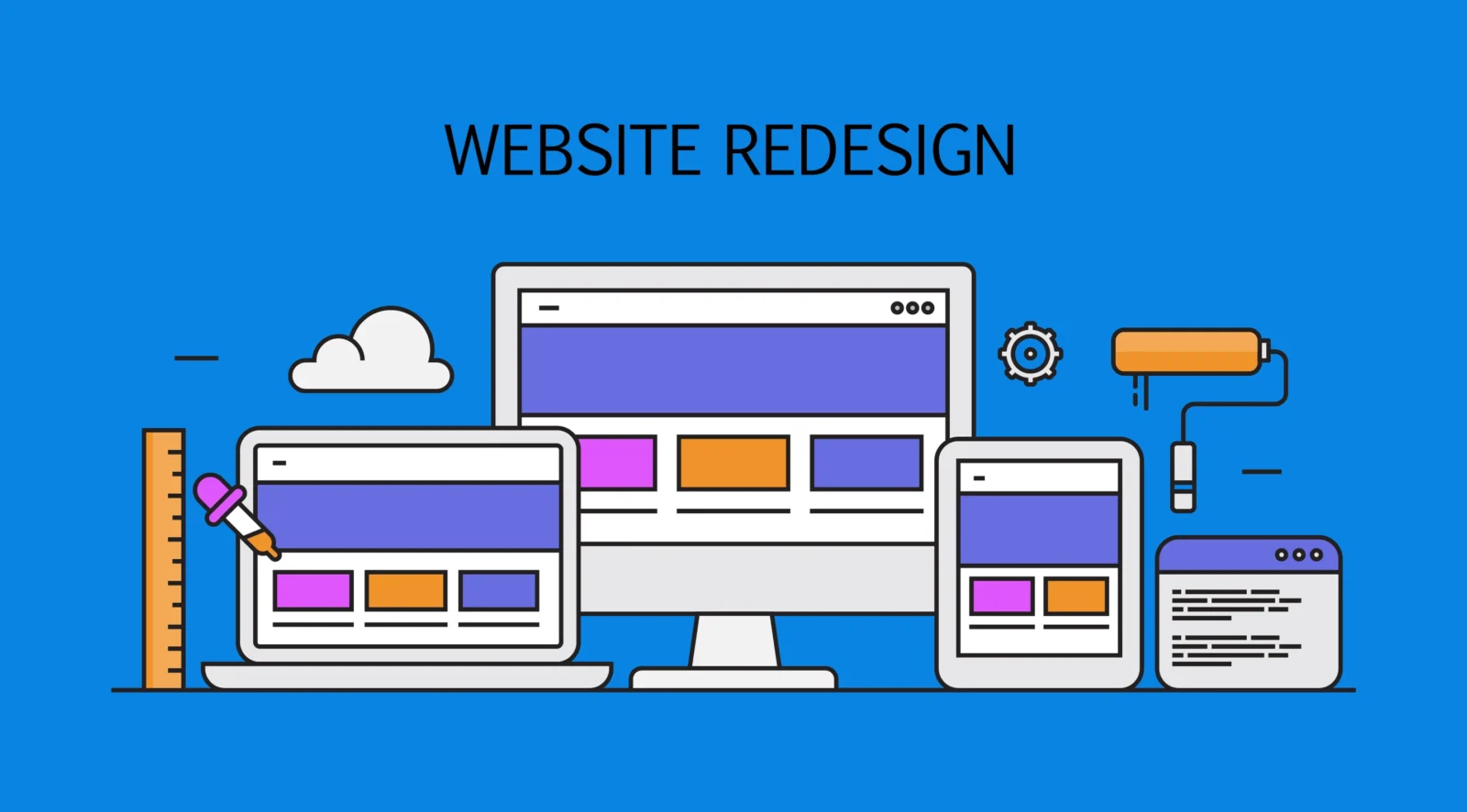
Revitalize Your Online Presence: A Comprehensive Guide to Website Redesign
Your website is often the first impression potential customers have of your business.A well-executed redesign isn’t just about aesthetics; it’s a strategic investment that can dramatically improve your brand, user experience, and ultimately, your bottom line. This guide provides a step-by-step approach to ensure your website redesign is a resounding success.
1. Define Clear Goals & objectives
Before diving into design elements, clearly articulate why you’re redesigning. What do you hope to achieve? Are you aiming to increase leads, boost sales, improve brand perception, or enhance user engagement?
Specifically, consider these questions:
What key performance indicators (KPIs) will measure success?
What are your business goals for the next 1-3 years, and how will the redesign support them?
Who is your ideal customer, and what are their needs and expectations?
2. Conduct a Thorough Website Audit
Understanding your current website’s strengths and weaknesses is crucial. A comprehensive audit reveals what’s working, what’s not, and areas ripe for enhancement.
Look at:
SEO Performance: Analyze keyword rankings, organic traffic, and backlink profile.
User Experience (UX): Evaluate site speed, navigation, mobile responsiveness, and accessibility.
Content Quality: Assess the accuracy, relevance, and engagement of your existing content.
Conversion Rates: Identify bottlenecks in your sales funnel and areas where users drop off.
Technical Health: Check for broken links, crawl errors, and security vulnerabilities.
3. Understand Your target Audience
A successful redesign centers around your audience. Deeply understanding their needs, behaviors, and preferences is paramount.
Consider:
User Personas: Create detailed profiles representing your ideal customers.
User Research: Conduct surveys, interviews, and usability testing to gather direct feedback.
Analytics Data: Analyze website analytics to understand how users currently interact with your site.
Competitive Analysis: Examine competitor websites to identify best practices and opportunities.
4. Prioritize Essential Features & Functionality
Now,determine the features your redesigned website must have to meet your goals and user needs. Don’t get caught up in trendy features that don’t align with your core objectives.
Think about:
Mobile Responsiveness: ensure a seamless experience across all devices.
Easy Navigation: Simplify site structure and make it intuitive for users to find what they need.
Clear Calls-to-Action (CTAs): Guide users towards desired actions, like making a purchase or contacting you.
Fast Loading Speed: Optimize images and code for quick page load times.
Accessibility: Design for users with disabilities, adhering to WCAG guidelines.
5.Refresh Your Content Strategy
Content is king, and a redesign is the perfect prospect to revitalize your messaging. Outdated or irrelevant content can undermine your efforts.
Focus on:
Updating Existing Content: Ensure accuracy, clarity, and relevance. creating New, Valuable Content: Address user pain points and provide solutions.
Optimizing for SEO: Incorporate relevant keywords naturally into your content.
visual Appeal: Use high-quality images and videos to enhance engagement.
Content Audit: Remove outdated or low-performing content.
6. Choose the Right Design Partner
Selecting a design team is a critical decision. Look for a partner with a proven track record,relevant experience,and a collaborative approach.
Consider:
Portfolio review: Examine their previous work to assess their design style and capabilities.
Client Testimonials: Read reviews and speak to past clients.
Dialogue & Collaboration: Ensure they’re responsive, transparent, and willing to work closely with you.
Technical Expertise: Verify their proficiency in relevant technologies and platforms.
* Understanding of SEO & UX: A good partner will prioritize both aesthetics and functionality.
7. Protect Your SEO During the Transition
A redesign can inadvertently