
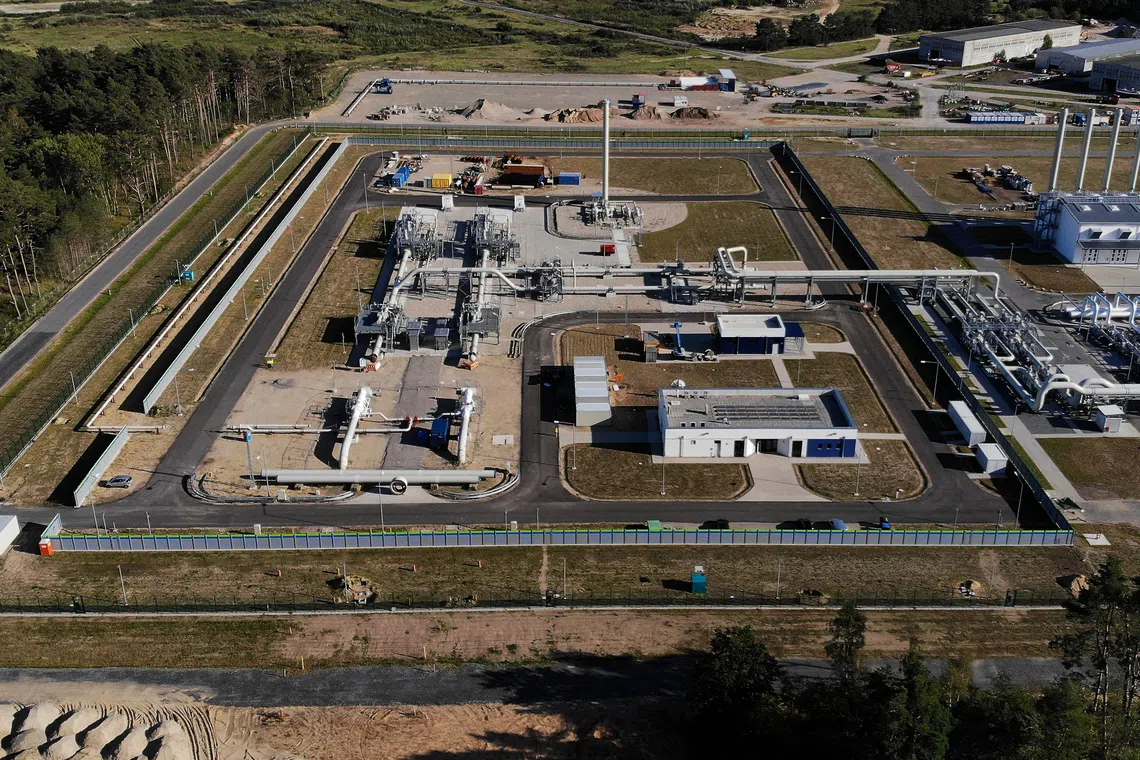
Nord Stream Pipelines: Can Remaining Capacity Revive Russian Gas Supplies to Europe?
The damaged Nord stream pipelines, a critical piece of energy infrastructure connecting Russia to Germany, remain a focal point of geopolitical tension. While largely incapacitated by explosions in September 2022, a single surviving line sparks ongoing debate: can it be reactivated, and should it be? This article delves into the current status of the Nord Stream system, the political obstacles to its repair, the implications for European energy security, and the latest developments in the inquiry surrounding the blasts.
Understanding the Nord Stream System
The Nord Stream system comprises two parallel pipelines – Nord Stream 1 (NS1) and Nord Stream 2 (NS2) – traversing the Baltic Sea floor. Each consists of two lines, effectively creating four independent conduits for natural gas delivery. Before the damage, these pipelines were capable of transporting a combined 110 billion cubic meters of natural gas annually, representing a significant portion of Russia’s gas exports to Europe.
The explosions in September 2022 severely damaged three of the four lines. Currently, only one line of Nord Stream 2 remains structurally intact, leading to recent statements from the Kremlin suggesting a swift return to operation is possible. Kremlin spokesperson dmitry peskov stated on Friday that the remaining line “can be launched right now, in fact.” However, this assertion is met with considerable skepticism and political resistance, as we’ll explore below.
Political Roadblocks and European Resistance
Despite the technical possibility of restarting the remaining NS2 line, significant political hurdles stand in the way. Germany, a key recipient of Russian gas via Nord Stream, has consistently signaled its unwillingness to reactivate the pipeline. In May, German Chancellor Friedrich Merz explicitly stated that keeping Nord Stream 2 offline is a purposeful strategy to maintain pressure on Russia and encourage negotiations to end the war in Ukraine.
This stance reflects a broader European effort to reduce reliance on Russian energy sources following the invasion of Ukraine. Many nations have actively sought option suppliers, invested in renewable energy infrastructure, and implemented energy conservation measures. Reactivating Nord Stream, even partially, would arguably undermine these efforts and potentially embolden Russia.
The Investigation and Allegations of Sabotage
The explosions on September 26, 2022, were widely condemned as an act of sabotage. Investigations led by Denmark, Sweden, and Germany are ongoing, but progress has been slow and shrouded in complexity.
Recently, a Ukrainian man was arrested in Italy on suspicion of involvement in the attacks, a development Russia has seized upon as evidence of kyiv’s responsibility. However,Ukraine vehemently denies any involvement,and no entity has formally claimed responsibility for the blasts.
Furthermore, the Kremlin has repeatedly pointed fingers at the United States, alleging partial blame for orchestrating the attacks. Peskov stated that such actions by Ukraine “would have been impossible” without the knowledge of the Biden administration. these accusations have been firmly denied by the United States. The lack of conclusive evidence and conflicting narratives continue to fuel speculation and distrust.
implications for European Energy Security
The destruction of the Nord Stream pipelines had a profound impact on European energy security, drastically reducing Russia’s gas supply capacity to the continent. While Europe has adapted by diversifying its energy sources, the situation remains precarious, particularly as winter approaches.
Reactivating the remaining NS2 line could potentially alleviate some of the pressure on European gas markets, offering a supplementary supply source.However, this comes with significant caveats. It would re-establish a degree of dependence on Russian gas, potentially increasing Europe’s vulnerability to geopolitical manipulation. moreover, it could be perceived as a concession to Russia, undermining the collective effort to isolate the country economically and politically.
evergreen Insights: The Future of European Gas Supply
The Nord Stream situation underscores a basic shift in the European energy landscape. The long-term trend is undeniably towards diversification, renewable energy adoption, and increased energy independence. While Russian gas may continue to play a role in the short to medium term, its influence is waning. The crisis has accelerated investments in LNG terminals, pipeline infrastructure connecting to alternative suppliers (like Norway and Azerbaijan), and renewable energy projects. The future of European energy security hinges on continued innovation, strategic partnerships, and a commitment to sustainable energy solutions.
Frequently Asked Questions (FAQs)
1. What is the current status of the Nord Stream pipelines? Currently, three of the four lines of the Nord stream 1 and 2 pipelines are damaged and inoperable. Only one line of Nord Stream 2 remains intact





