Gaza’s Healthcare Crisis: A Fragile Ceasefire and the Road to Recovery
The recent ceasefire offers a critical, yet insufficient, pause in the devastating conflict impacting gaza. While the initial focus is on scaling up medical supply deliveries, as highlighted by WHO representative Richard Peeperkorn, a true easing of the healthcare burden won’t happen quickly. The situation demands a multifaceted approach, and notable hurdles remain.
Immediate Needs & Critical Challenges
The scale of the medical crisis is immense. Here’s a breakdown of the key challenges:
* Unimpeded Access: Full and consistent access across Gaza is paramount for aid organizations. this includes the unhindered entry of vital medical supplies through all available routes.
* Medical Evacuations: Resuming medical evacuations from Gaza to West Bank hospitals, including those in East Jerusalem, is crucial. This system, functional before the conflict, is the only viable way to address the massive backlog of critically injured and sick patients.
* Patient Backlog: Estimates suggest around 15,000 patients are awaiting evacuation, with approximately 4,000 being children, according to Dr. Bassam Zaqout of the Palestinian Medical Relief Society. Though, these numbers are likely underestimates given the prolonged disruption of care.
* Evolving Patient Needs: Many on the evacuation lists haven’t received treatment for extended periods, or their treatment plans have been compromised due to limited resources. Re-evaluation of each case is essential.
The Role of Key Organizations & Ongoing obstacles
Several organizations are working tirelessly on the ground, but face significant obstacles.
* UNRWA’s Restrictions: Despite being the largest aid agency in Gaza with 12,000 staff still actively working, the UN Relief and Works Agency for Palestine Refugees (UNRWA) remains banned by Israel. As Tamara al-Rifae,UNRWA spokesperson,points out,the agency possesses the infrastructure necessary to effectively manage a large influx of aid.
* Sustainability Concerns: Dr. Zaqout expresses concern that the ceasefire may not be permanent. A continued partial blockade by Israel would severely hamper the ability to respond to the ongoing medical crisis.
Beyond Immediate Care: The Human Cost
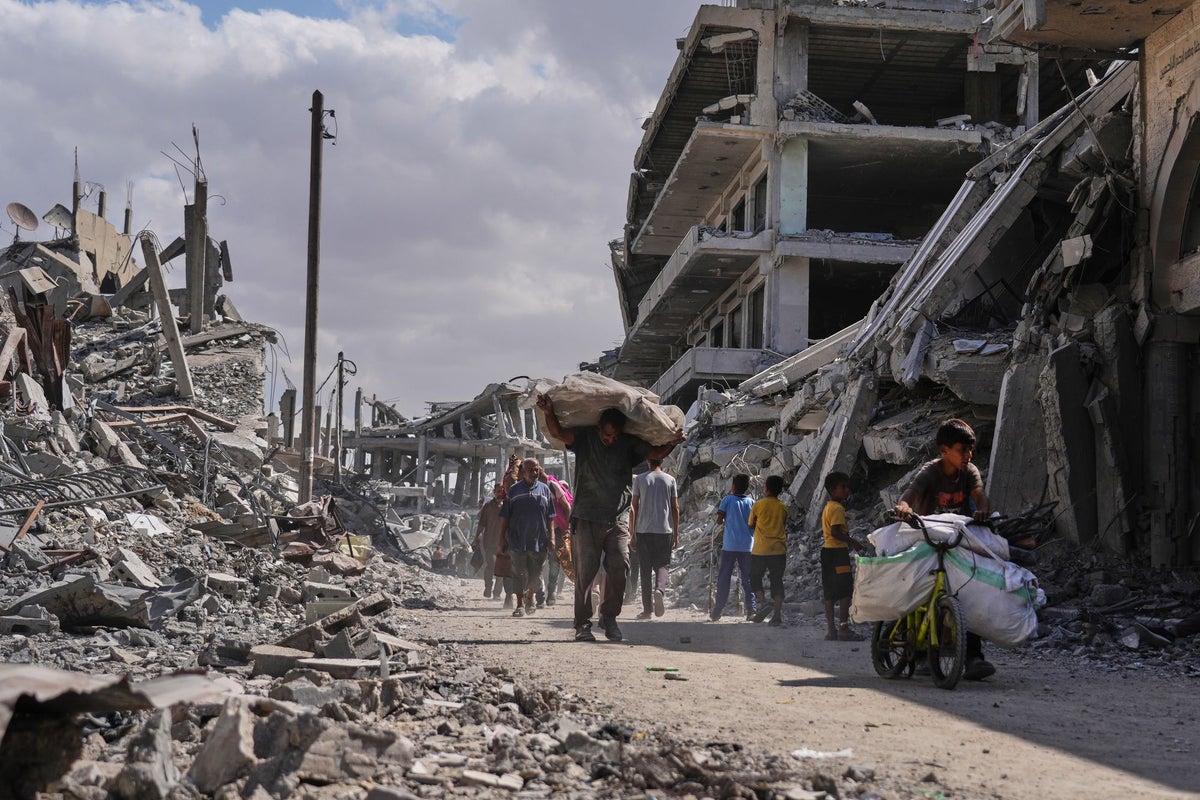
The ceasefire, while providing a moment of respite, has also forced civilians to confront the bleak reality of their future. For many, returning home is simply not an option.
Consider the experience of Said, who, after hoping to return to Beit Lahia, found the destruction so complete he was forced to return to a tent in the south. He describes a landscape “devoid of life,” where “nothing remained” of his neighborhood or the surrounding area.
What You Need to Know
This situation isn’t just about numbers and logistics. It’s about the lives and futures of individuals and communities.You can stay informed and support relief efforts by:
* Following Reputable News Sources: Stay updated with reporting from organizations like the Associated Press, Reuters, and The Independent.
* Supporting Humanitarian organizations: Consider donating to organizations actively providing aid in Gaza, such as the WHO, UNRWA, and the Palestinian Medical Relief Society.
* Advocating for Unimpeded Access: Encourage your representatives to advocate for full and consistent humanitarian access to Gaza.
The road to recovery will be long and arduous.A sustainable solution requires not only a lasting ceasefire, but also a commitment to rebuilding Gaza’s healthcare infrastructure and addressing the underlying issues that contribute to this ongoing crisis.