
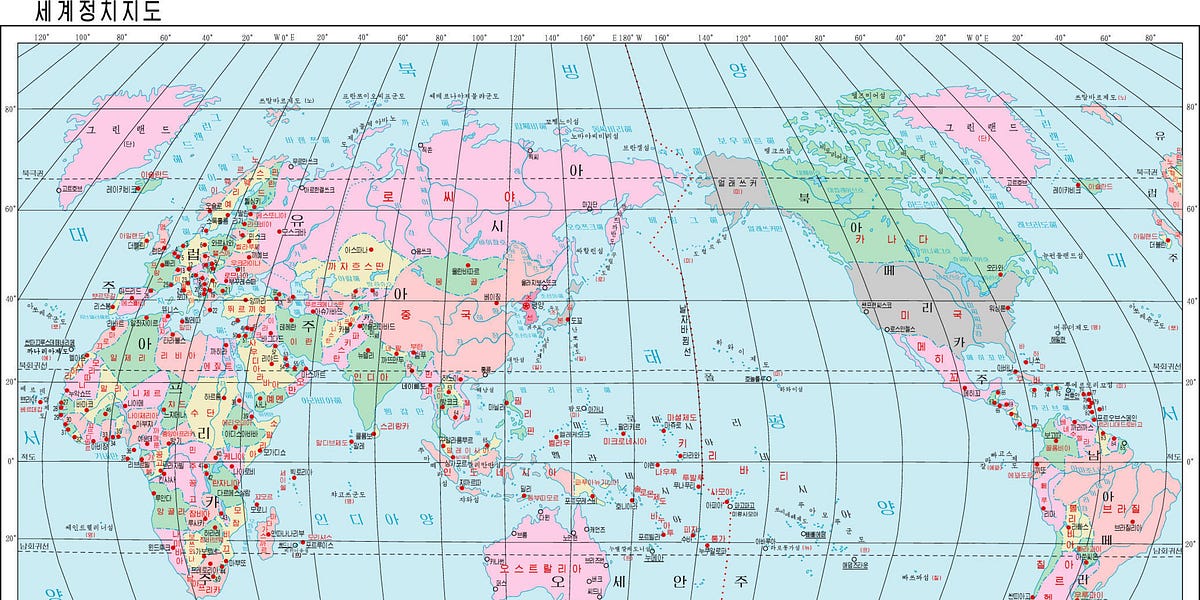
Unveiling North Korea Through Cartography: A Rare Glimpse
For decades,North Korea has remained shrouded in mystery,a nation largely inaccessible to the outside world. Consequently, accurate and detailed data about its geography, infrastructure, and even its self-perception has been incredibly difficult to obtain. Recently, I came across a fascinating artifact that offers a unique window into how North Korea views itself and the world: an official North Korean atlas.
It’s a remarkable piece of cartographic work, and it provides insights that go far beyond simple geographical data. Let’s explore what makes this atlas so special and what we can learn from it.
A Nation Defined by Maps
Maps aren’t merely representations of physical space; they are powerful tools that reflect a nation’s ideology, priorities, and ambitions. This atlas is no exception. Here’s what stands out:
* Emphasis on Juche Ideology: The atlas consistently highlights locations significant to the Juche ideology – North Korea’s self-reliance beliefs. You’ll find these sites prominently displayed and often embellished.
* Military Focus: A significant portion of the atlas is dedicated to detailing military installations, strategic locations, and defense infrastructure. This underscores the nation’s emphasis on national security.
* Selective Representation: Certain areas and features are presented with a clear bias. For example, the demarcation line with South Korea is depicted in a manner that favors North Korea’s territorial claims.
* Detailed Infrastructure mapping: Surprisingly, the atlas provides a very detailed depiction of North Korea’s infrastructure, including railways, roads, dams, and industrial complexes. This suggests a strong internal focus on progress and resource management.
What the Atlas Reveals About North Korea’s Worldview
Beyond the physical geography, the atlas offers clues about North Korea’s perception of its place in the world.
* Korea-Centric Viewpoint: The Korean peninsula is often the central focus of maps, with other regions appearing smaller or less detailed. This reinforces a sense of national importance and centrality.
* Portrayal of Allies and Adversaries: The way neighboring countries are depicted – their size, level of detail, and accompanying annotations – reveals North Korea’s geopolitical relationships.
* Past Narratives: Maps illustrating historical events are presented through a distinctly North Korean lens,emphasizing the nation’s struggles against foreign powers and its path to independence.
A Cartographic Treasure
This atlas isn’t just a collection of maps; it’s a carefully constructed narrative. It’s a testament to the power of cartography as a tool for shaping perceptions and reinforcing national identity.
I’ve found that studying these types of materials provides a far richer understanding of a country than simply reading news reports or political analyses. It allows you to see the world through their eyes, to understand their priorities, and to appreciate the complexities of their worldview.
If you’re interested in exploring other fascinating maps, please share your requests in the comments below. I’m always eager to delve into the world of cartography and uncover the stories hidden within these visual representations of our planet.





