The North South Ministerial Council: A Cornerstone of Irish Cooperation
The North South Ministerial Council (NSMC) stands as a vital institution in the ongoing peace process and cross-border cooperation on the island of Ireland.Established under the Good Friday Agreement in 1998, the NSMC facilitates collaborative governance between Northern Ireland and the Republic of Ireland, addressing shared challenges and opportunities. This article provides a complete overview of the NSMC, its history, functions, recent developments, and future outlook, offering insights for policymakers, researchers, and anyone interested in the evolving political landscape of Ireland.
did You Know? The NSMC wasn’t always a smooth operation. Periods of political instability in Northern Ireland, particularly during Stormont suspensions, have led to interruptions in its meetings and hindered its effectiveness. However, its consistent revival demonstrates its enduring importance.
Historical Context & The Good Friday Agreement
the roots of the NSMC lie in the desire to foster reconciliation and practical cooperation following decades of conflict in Northern Ireland. The Good Friday Agreement,a landmark achievement in the peace process,recognized the interconnectedness of the island and the need for institutions that transcended the border. The agreement specifically mandated the establishment of the NSMC, outlining its functions and areas of responsibility. Prior to the agreement, cross-border cooperation was limited and often fraught with political tension. The NSMC aimed to create a formalized, structured framework for addressing shared concerns.
Core Functions and Areas of Cooperation
The NSMC operates across nine designated areas of cooperation, as defined by the Good Friday Agreement. These include:
* Agriculture: Addressing common agricultural policies,animal health,and food safety standards.
* Health: Collaborating on public health initiatives, cross-border healthcare services, and pandemic preparedness.
* Education: Promoting shared educational programs, teacher training, and recognition of qualifications.
* Environment: Jointly tackling environmental challenges like pollution, climate change, and biodiversity loss.
* Tourism: Developing and promoting tourism initiatives that benefit both jurisdictions.
* Transport: Improving cross-border transport infrastructure and connectivity.
* Economic Development: Fostering economic cooperation, attracting investment, and promoting trade.
* Social Welfare: Harmonizing social welfare policies and addressing social exclusion.
* EU Matters: Coordinating positions on EU policies and initiatives impacting the island.
Pro Tip: Understanding the nine areas of cooperation is crucial for analyzing the NSMC’s impact. Focusing on specific sectors allows for a more nuanced assessment of its successes and challenges.
The 30th NSMC Meeting: Key issues on the Agenda (October 2023)
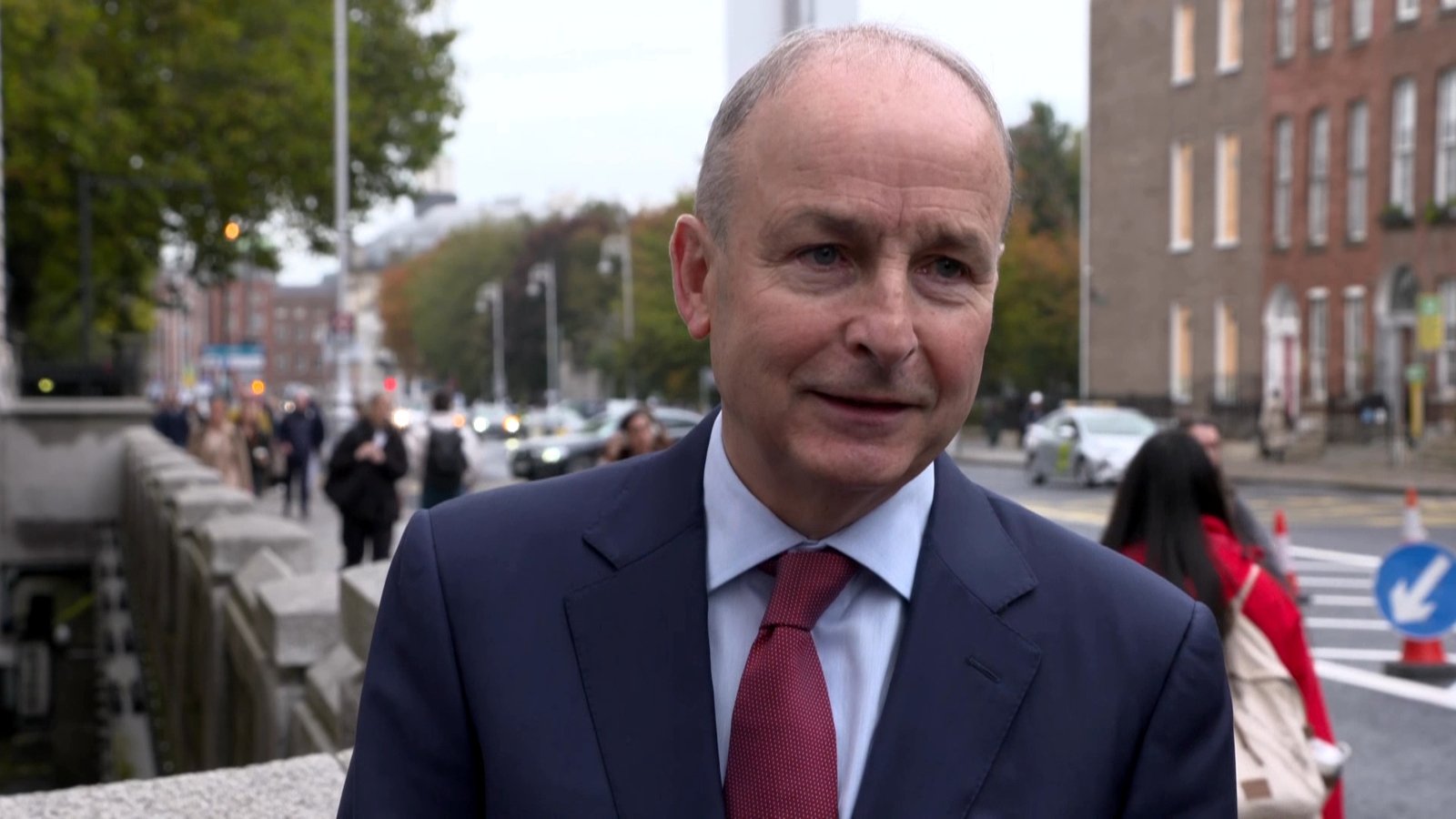
The 30th meeting of the NSMC, held in Dublin on October 16, 2023, brought together Taoiseach Micheál Martin, Tánaiste Simon Harris, First Minister of Northern Ireland Michelle O’Neill, and Deputy First Minister Emma Little-Pengelly. The agenda reflected the complex challenges facing the island today. Key discussion points included:
* EU-US and EU-UK Trade Concerns: Analyzing the potential impact of evolving trade relationships on the Irish economy, particularly in light of Brexit and global economic uncertainties. Recent data from the Central Statistics Office (CSO) shows a 6.8% decrease in Irish exports to the UK in the first half of 2023, highlighting the vulnerability of the Irish economy to changes in the UK-EU trade dynamic. https://www.cso.ie/en/releasesandpublications/er/mer/merq22023/
* Emergency Planning Preparedness: strengthening cross-border coordination for responding to emergencies, including natural disasters, public health crises, and security threats.
* Gender-Based Violence Policies: Sharing best practices and developing joint strategies to combat gender-based violence and support victims.
* Joint Storm protection Actions: Collaborating on infrastructure projects and emergency response plans to mitigate the impact of severe weather events.
* Cross-Border Infrastructure Projects: Advancing key infrastructure projects, such as the A5 dual carriageway and the ulster Canal restoration, to improve connectivity and economic development.
Beyond the formal agenda, discussions likely touched upon sensitive issues such as legacy issues related to the Troubles and the implications of