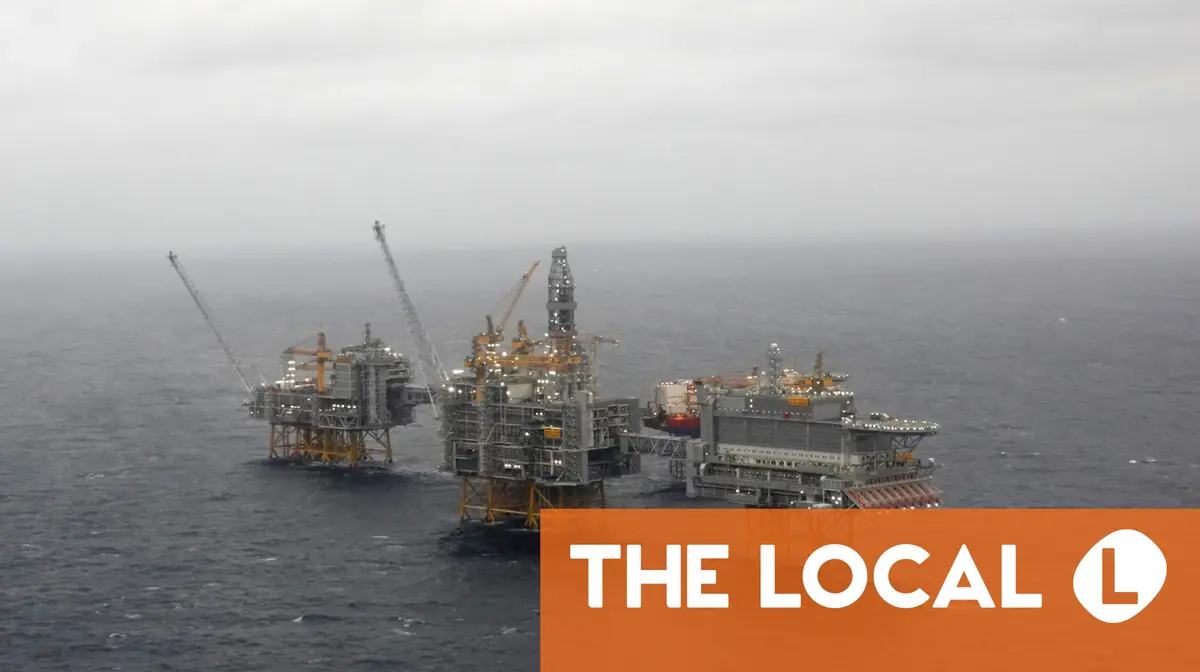
Norway’s Fossil Fuel Future: Balancing Wealth and Climate Responsibility
Norway, a nation renowned for its stunning fjords and high quality of life, finds itself at a critical juncture. Second only to Russia in European oil and gas production, its vast reserves have fueled economic prosperity for decades. But as the world grapples with the escalating climate crisis, the question of whether to continue extracting these resources – and at what pace – is sparking intense debate. This article delves into the complexities of Norway’s energy policy, public opinion, and its role in the global transition to a lasting future. are Norwegians willing to sacrifice economic benefits for environmental responsibility? Let’s explore the nuances.
the Current Landscape: Public Opinion and Production Levels
Recent data reveals a surprising trend: growing public support for continued fossil fuel extraction in norway. A 2024 climate barometer by Kantar shows that 62% of Norwegians are either somewhat or completely in favour of maintaining current drilling rates – a notable increase from the 54% recorded in 2019. This rise, despite global calls to phase out fossil fuels, is a complex phenomenon.
Did you Know? norway’s sovereign wealth fund, built largely on oil and gas revenues, is one of the largest in the world, valued at over $1.4 trillion (USD) as of November 2024.This fund provides a substantial safety net for the country’s future,making the transition away from fossil fuels a especially sensitive issue.
The Kantar survey, encompassing over 2,000 participants in June 2024, highlights demographic differences. Men, individuals over 45, and those with lower education levels demonstrate stronger support for continued extraction. However, even a majority (57%) of those with higher education levels express favourable views, indicating a widespread belief in the continued importance of the industry.
But what does this mean for Norway’s production levels? despite international pressure, Norway continues to be a major player in the global energy market. In 2023, Norway produced approximately 4.1 million barrels of oil equivalent per day, contributing significantly to Europe’s energy supply.
| Metric | Norway (2023) | Russia (2023) |
|---|---|---|
| Oil Production (million barrels/day) | 2.0 | 10.8 |
| Natural Gas Production (billion cubic meters) | 123 | 219 |
| Total Oil Equivalent Production (million barrels/day) | 4.1 | 13.1 |
Source: IEA, BP Statistical Review of World Energy 2024
Navigating the Global shift: international Pressure and Norway’s Response
The global context is crucial. The International Energy Agency (IEA) has repeatedly urged a halt to new petroleum projects since 2021,emphasizing the need to limit global warming to 1.5°C above pre-industrial levels.Furthermore, the International Court of Justice (ICJ) recently declared climate change an “urgent and existential threat,” establishing a legal obligation for nations to mitigate their planet-warming pollution.
pro Tip: Understanding the difference between mitigation (reducing emissions) and adaptation (adjusting to the effects of climate change) is key to grasping the complexities of climate policy. Norway is investing in both, but the debate centers on the pace of mitigation in the oil and gas sector.
So, how is Norway responding? While continuing production, the country is also investing heavily in renewable energy sources, including offshore wind and hydropower. The government has set aspiring targets for reducing greenhouse gas emissions, aiming for a 50% reduction by 2030 compared to 1990 levels.However, critics argue that these targets are insufficient and that Norway’s continued reliance on oil and gas undermines its climate commitments. The concept of carbon capture and storage (CCS) is also