
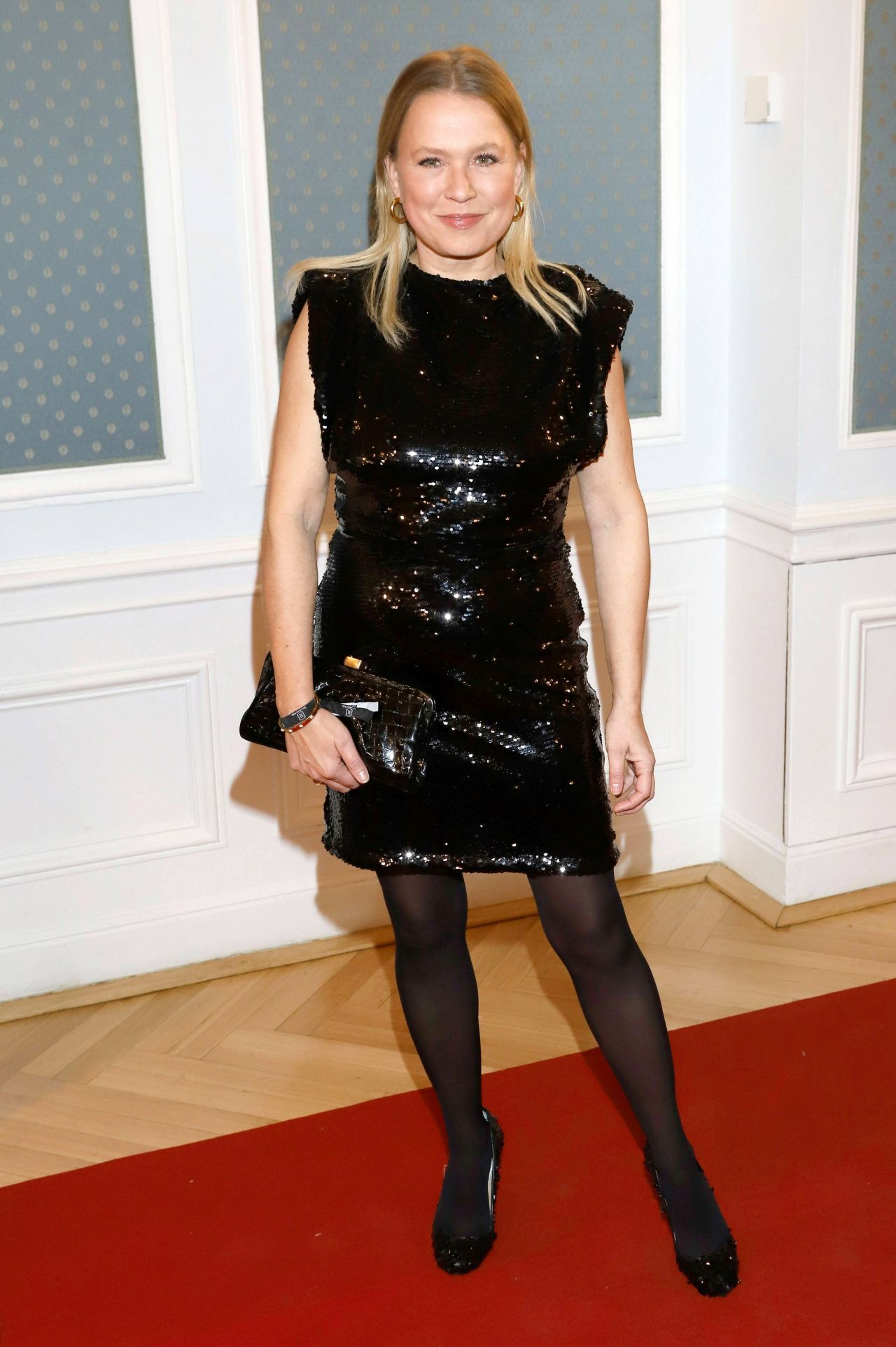
The intersection of artificial intelligence and the performing arts has become one of the most debated topics in the global entertainment industry. From the rise of deepfakes to AI-generated scripts, the question of whether technology can replicate human emotion is central to the future of cinema and television. In Germany, this conversation is being joined by Nova Meierhenrich, a seasoned figure in the media landscape who brings a unique perspective on the irreplaceable nature of the human actor.
Meierhenrich, known for her extensive career as a moderator and actress, has spent decades navigating the complexities of the camera, from high-profile red carpets to scripted series. Her recent reflections on AI emphasize a fundamental belief: whereas technology can mimic appearance and voice, the essence of acting—the emotional depth and spontaneous connection—remains a uniquely human trait. This stance echoes a broader sentiment currently sweeping through creative hubs from Los Angeles to Berlin, where artists are fighting to protect the “human element” of storytelling.
With a professional history that spans multiple networks and genres, Meierhenrich’s voice carries weight in the German market. Having transitioned between the roles of a presenter and a performer, she understands the nuance required to engage an audience. As AI continues to evolve, her insistence that an actor cannot be replaced highlights the tension between technical efficiency and artistic authenticity.
The Career of Nova Meierhenrich: From Red Carpets to the Screen
To understand why Meierhenrich’s perspective on AI is significant, one must glance at her diverse trajectory in the entertainment world. Born on December 25, 1973, in Heessen, she established herself as a versatile talent capable of handling both the spontaneity of live broadcasting and the discipline of acting Nova Meierhenrich – Wikipedia.
Her career began in earnest in 1996, and she quickly became a familiar face across a wide array of German television networks, including ProSieben, Sat.1, RTL II, and WDR. Her versatility is evident in the range of projects she has helmed, from hosting youth-centric magazines like Bravo TV to reporting from the most prestigious film festivals in the world, including the Berlinale, the Venice Film Festival, and the Cannes Film Festival.
Beyond hosting, Meierhenrich has transitioned into acting, appearing in various television series and movies. Her credits include roles in Verbotene Liebe, Einstein, and Die ProSieben Märchenstunde Nova Meierhenrich – IMDb. This dual experience—knowing both the “front of house” as a moderator and the “internal world” of a character as an actor—allows her to speak authoritatively on what makes a performance genuine.
A Commitment to Social Advocacy
Meierhenrich’s influence extends beyond the screen. She has utilized her public platform to support several humanitarian and environmental causes. She serves as an ambassador for SOS Children’s Villages and has been involved in PETA’s anti-fur campaigns. She is an ambassador for the international WDCS campaign “Stop Whaling Now” and has served as the official patron of the Ronald McDonald House for parents in Hamburg since January 2008 Nova Meierhenrich – Wikipedia.
The AI Debate: Why the “Human Element” Matters
The core of the debate surrounding AI in acting is not about whether a computer can create a realistic image, but whether it can create a realistic soul. For performers like Meierhenrich, the act of acting is an empathetic process. It requires the ability to draw from personal experience, vulnerability, and a shared human history to communicate a feeling to an audience.
AI, by definition, operates on patterns and data. It can analyze thousands of hours of footage to replicate a specific gesture or a vocal inflection, but it cannot “feel” the grief, joy, or tension of a scene. When Meierhenrich suggests that an actor cannot be replaced, she is referring to this intangible spark—the ability to make a choice in a scene that is unexpected, raw, and deeply human.
This discussion is particularly timely as the industry grapples with “digital twins” and the use of AI to de-age actors or recreate deceased performers. While these tools offer immense creative possibilities, they also pose a risk to the livelihood and the artistic integrity of living actors. The fear is that the industry may prioritize the cost-effectiveness of a digital asset over the complex, sometimes unpredictable, but ultimately more rewarding performance of a human being.
The Evolution of the Modern Performer
In the digital age, the role of the celebrity has shifted. Meierhenrich has adapted to this by expanding her reach into digital storytelling and authorship. In addition to her work on screen, she is a bestseller author and maintains a strong presence on social media, where she shares insights into her life and work Nova Meierhenrich Instagram.
This evolution demonstrates that the “performer” is no longer just someone who appears in a movie or a show, but someone who builds a multifaceted brand. However, even in the realm of social media and blogging—where Meierhenrich has written for Bunte Online and Focus Online—the demand for authenticity remains. The same preference for “real” over “synthetic” that applies to acting also applies to the way audiences consume content today.
Key Dimensions of the AI vs. Actor Conflict
- Emotional Intelligence: AI lacks the capacity for genuine empathy, which is the foundation of a compelling dramatic performance.
- Spontaneity: Great acting often happens in the “mistakes” or the unplanned moments between lines, something an algorithm cannot authentically replicate.
- Labor Rights: The use of AI-generated likenesses raises critical questions about ownership, consent, and the future of acting contracts.
- Audience Connection: There is a psychological bond between the viewer and the performer that relies on the knowledge that the person on screen is a fellow human experiencing a shared emotion.
Looking Ahead: The Future of Entertainment
As we move further into 2026, the integration of AI into production pipelines is inevitable. The challenge for the industry will be to locate a balance where technology serves as a tool for the artist rather than a replacement for them. The perspective shared by Nova Meierhenrich serves as a reminder that the heart of entertainment is human connection.

Whether it is through the lens of a high-budget feature film or a live-streamed event, the value of a performer lies in their ability to reflect the human condition. As long as audiences seek truth and emotion in their stories, the human actor will remain an essential component of the cinematic experience.
For those following the development of AI regulations in the arts, the next major checkpoints will likely involve updated guild agreements and legislative frameworks regarding digital likenesses and intellectual property. These developments will determine how the “irreplaceable” nature of the actor is protected in a legal sense.
What do you reckon? Can AI ever truly capture the essence of a great acting performance, or is the human spark irreplaceable? Share your thoughts in the comments below and share this article with your network.