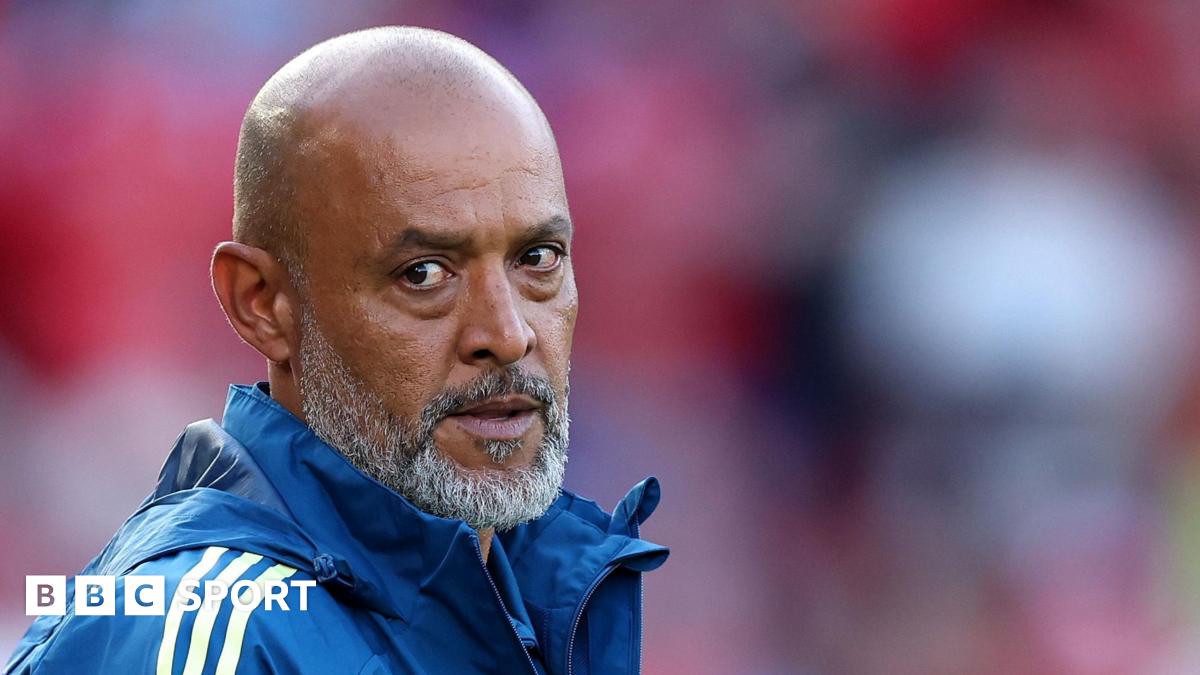
nuno Espírito Santo’s Departure from Nottingham Forest: A Breakdown of Rising Tensions
Nottingham Forest’s recent managerial change, with Nuno Espírito Santo‘s exit, wasn’t a sudden shock. Rather, it was the culmination of growing friction between the manager and owner Evangelos Marinakis, despite initial success on the field. Understanding the dynamics at play offers valuable insight into the complexities of modern football club management.
A Strained Relationship Emerges
Initially, the relationship between Nuno and Marinakis was strong.They communicated daily during the previous season, fostering a close working environment. However,this dynamic shifted significantly,leading to a noticeable distance and impacting the club’s overall cohesion.
Several factors contributed to this breakdown, but disagreements over transfer strategy proved central.Nuno publicly voiced his concerns about the club’s summer transfer activity, believing a crucial opportunity had been missed. This criticism, coupled with the arrival of Edu as global head of football, signaled a change in control over recruitment.
Transfer Window Disagreements & Control
Edu’s appointment brought a more centralized approach to player acquisitions. Forest invested heavily, bringing in 13 new players for a reported initial fee of around £196 million. while ambitious, this influx of players didn’t necessarily align with Nuno’s vision.
You might be wondering what specifically caused the friction.It appears Nuno felt his input was diminishing as Edu asserted greater authority over incoming and outgoing transfers. Players like Anthony Elanga, danilo, and Wayne Hennessey departed during the window, further illustrating the reshaping of the squad.
Public Displays & underlying Issues
The tension wasn’t confined to behind-the-scenes discussions. A highly visible incident occurred in May following a 2-2 draw against Leicester City. Marinakis appeared to confront Nuno on the pitch, sparking speculation about a heated exchange.
The club quickly downplayed the event, attributing it to frustration over striker Taiwo Awoniyi continuing to play after sustaining an injury that ultimately required surgery. Though, the optics were undeniably negative, hinting at deeper issues within the club.
A Late-Season Slump & European Qualification
Unfortunately, the internal discord coincided with a concerning dip in form. Forest secured a Conference League spot, but only managed eight points from their final eight matches of the 2024-25 campaign. This late-season slump, particularly against already-relegated teams, raised serious questions.Interestingly, Forest’s European fate took an unexpected turn. They were later moved into the Europa League for the 2025-26 season after Crystal Palace were penalized for breaching multi-club ownership rules. This provides a silver lining, but doesn’t erase the underlying issues that led to Nuno’s departure.
What Dose This Mean for Nottingham Forest?
Nuno’s exit underscores the importance of alignment between a manager and club ownership. A shared vision,open communication,and mutual respect are crucial for success. When these elements are lacking, even on-field achievements can be overshadowed by internal strife.
For forest, the challenge now is to rebuild that alignment and create a stable environment for future growth. The club’s ambitious spending suggests a desire to compete at the highest level, but that ambition will only be realized with a unified and focused approach.