Revolutionizing Naval Readiness: How the Naval Postgraduate School (NPS) is Pioneering Physical AI with NVIDIA
The Naval Postgraduate School (NPS) is at the forefront of a revolution in defense technology, leveraging the power of accelerated computing and Artificial Intelligence (AI) to enhance naval planning, operational readiness, and crew safety. This transformation is being powered by a strategic collaboration with NVIDIA, utilizing their cutting-edge hardware and software solutions – including the Jetson AGX, Omniverse, and DGX platforms – as part of NVIDIA’s innovative “three-computer solution” for developing physical AI.
This article details how NPS is applying these technologies to create realistic simulations, predict environmental changes, and ultimately, build a more secure and effective naval force.
The Critical Need for Accurate Environmental Modeling
Understanding the complex operational surroundings is paramount to naval success. Accurate prediction of atmospheric, oceanic, and even space-based conditions directly impacts mission effectiveness and, crucially, the safety of personnel.
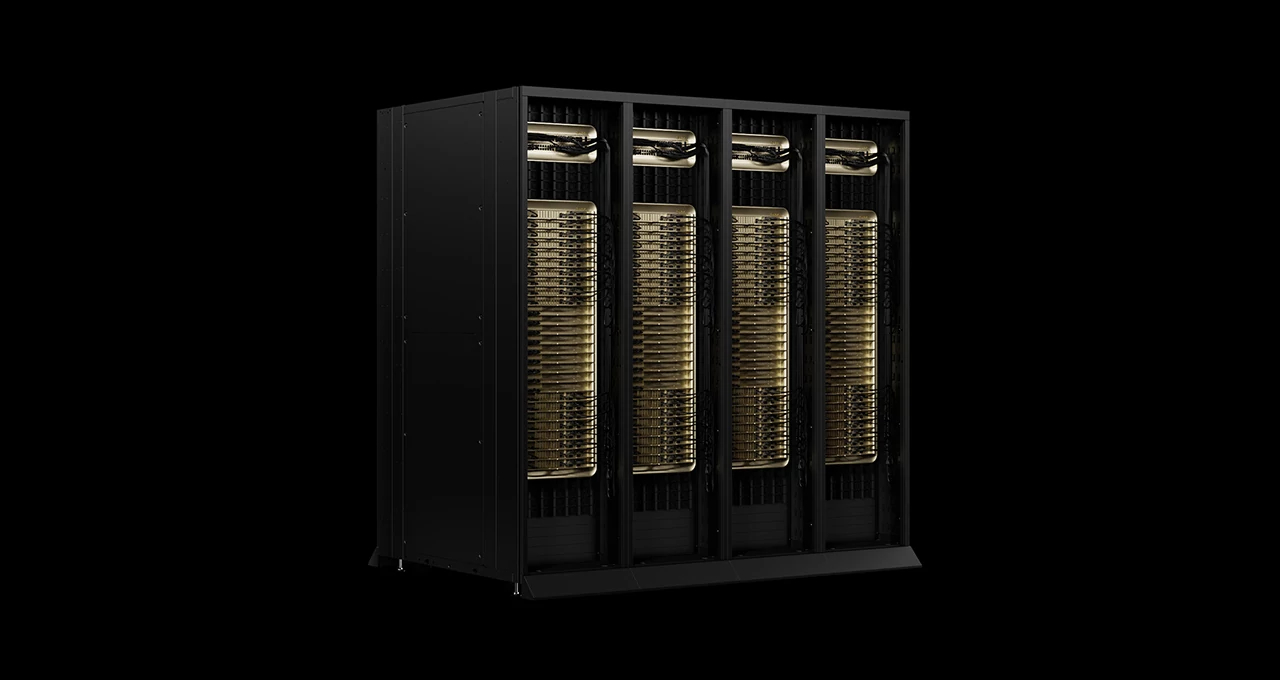
NPS is tackling this challenge head-on, utilizing NVIDIA DGX GB300 systems to train foundational AI models. These models are then deployed within NVIDIA isaac Sim, a powerful robotics simulation platform, and further refined using ASPEN – a complex modeling environment developed by NPS.
* ASPEN’s Capabilities: Integrates physics-based models with real-time vehicle data for hardware-in-the-loop training and precise mission prediction.
* Focus Areas: Modeling the atmosphere, sea surface, subsurface, seabed, and even the space domain.
building High-Fidelity Digital Twins with NVIDIA fVDB
A key component of NPS’s strategy is the creation of detailed digital twins – virtual replicas of real-world environments. These aren’t simple visualizations; thay are dynamic, data-driven simulations capable of predicting behavior and identifying anomalies.
NVIDIA fVDB, an open-source, GPU-accelerated deep learning framework, is central to this effort. It allows NPS to efficiently process massive 3D datasets from diverse sources:
* Telemetry data
* Sonar readings
* satellite imagery
* Sensor reports
This data is synthesized to create virtual representations of:
* The ocean floor
* The water column
* The atmosphere
* Space itself
These simulations enable NPS to establish a baseline of “normal” behavior, making it easier to detect and understand deviations that could indicate threats or require intervention. Consider the scenario of satellite debris:
“For example, should a spacecraft lose its capability to maneuver, or something crashes into something, it creates debris, and we’d like to predict where every little thing goes because the uncontrolled satellites or debris fields can be extremely dangerous,” explains Pugh.
AI-Powered Education and Real-World Application
NPS isn’t just using AI; it’s teaching it. AI is now integrated across all curricula, providing military students with hands-on experience developing practical applications that directly benefit the naval and Joint Force.
This is facilitated by a streamlined process:
* Innovation Pipeline: Independent studies, hackathons, and funded research projects generate new AI solutions.
* Faculty & Student Collaboration: Faculty leverage student talent to develop and refine these solutions.
* Fleet Integration: Connections with operational fleets ensure rapid deployment and real-world impact.
Captain Michael Owen, NPS AI Task Force Deputy, highlights this synergy: “We can spin up something born out of an independent study…and we can connect them with the fleets that are going to fund them or operationalize them.”
NVIDIA’s Commitment to NPS and Future AI leaders
NVIDIA’s support extends beyond hardware and software. They are actively investing in the future of AI education at NPS through:
* NVIDIA Deep Learning Institute (DLI): Providing crucial instructor toolkits to enhance the quality of AI education.
* NVIDIA AI Technology Center: Establishing a dedicated center on the Monterey campus, providing faculty with access to cutting-edge resources.
Pugh emphasizes the value of DLI resources: “It’s proving critical in helping NPS educate tomorrow’s leaders in AI.”
Further Exploration:
* GTC Washington, D.C. Keynote: https://www.nvidia.com/gtc/dc/keynote/ - Insights from NVIDIA founder and CEO Jensen Huang.
* **GTC Washington, D.C. Session Catalog