
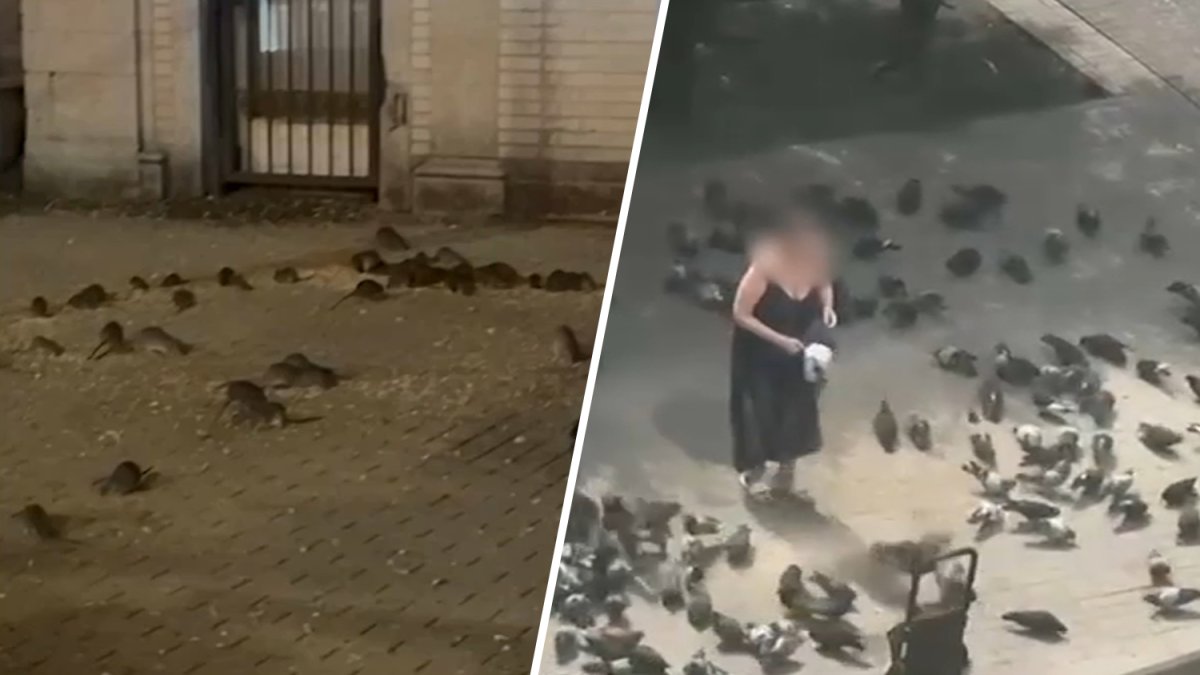
The Upper West Side‘s Pigeon Problem: When Bird Feeding Fuels a Rat Infestation
Have you ever walked through a city and noticed an unusually large gathering of pigeons? While seemingly harmless, this common urban scene is sparking a growing concern for residents of New York City’s Upper West Side. What begins as an act of kindness – feeding pigeons – is unintentionally creating an all-night buffet for another, far less welcome, creature: the rat. This isn’t just a neighborhood nuisance; its a complex issue highlighting the unintended consequences of human-wildlife interactions and the challenges of urban pest control.
A Daily Feast, A Nightly Frenzy
The epicenter of this escalating problem is the corner of 96th Street and Broadway, a bustling intersection served by the 1/2/3 subway lines. Here, a dedicated group of individuals regularly provides food for a burgeoning pigeon population. While some passersby might find it charming, long-time residents are witnessing a disturbing side effect: a dramatic increase in rat activity.
“When you feed the pigeons, you’re going to bring the rats as they like the same grain. The same seeds,” explains Councilmember Gale Brewer, who represents the Upper West Side. This isn’t speculation; it’s a direct outcome of ecological principles. Pigeons and rats are both opportunistic feeders, meaning they’ll consume a wide variety of food sources. Leaving out birdseed inadvertently creates a readily available food source for both species,attracting rats from surrounding areas.Residents describe unsettling encounters. Deborah Kelly recounts rats boldly scurrying near people’s feet, seemingly unafraid of humans. Susan Lawrence shared a similar experiance, having a rat brush against her foot while foraging for leftover food. These aren’t isolated incidents; they represent a growing sense of unease and a perceived loss of control over the local habitat.
The City’s Response & The Legal Gray Area
Councilmember Brewer has actively appealed to the Mayor Eric Adams administration, requesting intervention to curb the pigeon feeding. However, the city’s health Department delivered a surprising response: feeding pigeons and other wildlife is not currently illegal in New York City.
“I was a little surprised there was nothing that could be done to stop people from feeding them,” Brewer admitted, highlighting a gap in current regulations. This legal ambiguity presents a meaningful challenge to addressing the problem effectively. While well-intentioned, the act of feeding wildlife can have far-reaching and negative consequences for both the animals themselves and the surrounding urban ecosystem.
Beyond the Upper west Side: A Growing National Concern
The situation on the Upper west Side isn’t unique. Across the United States, cities are grappling with increasing rat populations, often exacerbated by human behaviors. According to a recent report by the national Pest Management Association (NPMA), rat sightings increased significantly in major metropolitan areas during the pandemic, and remain elevated. https://www.npmapestworld.org/media/news-releases/new-npma-study-reveals-significant-increase-in-rat-sightings-across-u-s/ This surge is attributed to a combination of factors, including increased food waste, changes in sanitation practices, and milder winters allowing for greater breeding success.
Moreover, a 2023 study published in Environmental Health Perspectives linked increased urban rat populations to higher rates of certain infectious diseases, emphasizing the public health implications of unchecked rodent infestations. https://ehp.niehs.nih.gov/doi/10.1289/EHP10611
What Can be Done? A Multi-Pronged Approach
Addressing the pigeon-feeding-rat-infestation cycle requires a thorough strategy involving education, regulation, and proactive pest management. Here’s a breakdown of actionable steps:
Public Education Campaigns: Raising awareness about the negative consequences of feeding wildlife is crucial. The city should launch a public information campaign emphasizing that while the intention might potentially be kind, it ultimately harms both the animals and the urban environment.
Strengthening regulations: Consider implementing ordinances prohibiting the intentional feeding of pigeons and other wildlife in public spaces.This would provide enforcement mechanisms to address the issue directly.
* Improved Waste Management: Ensuring proper waste





