
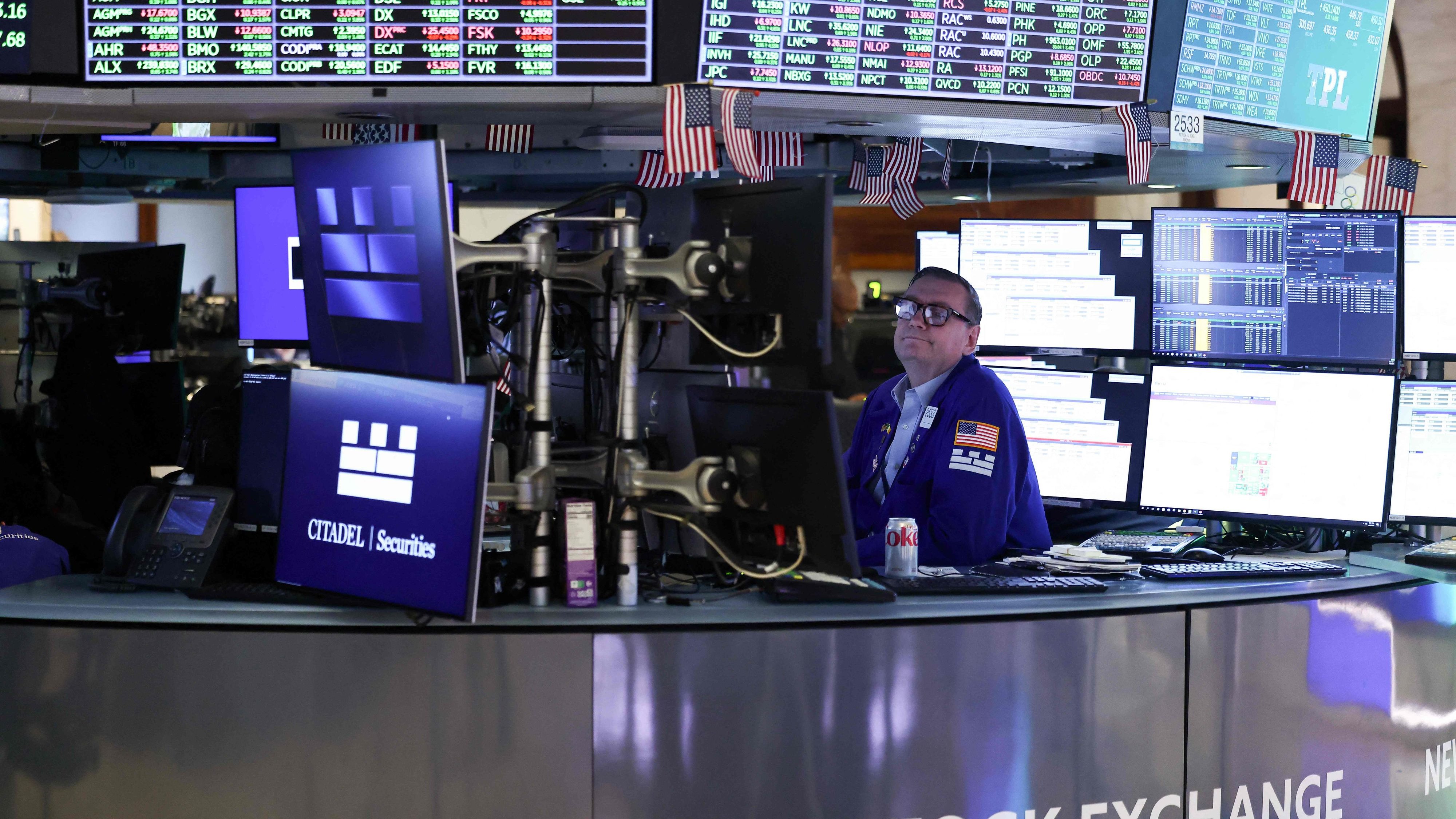
The global economy entered a state of high alert Monday morning as the United States initiated a naval blockade of the Strait of Hormuz, a move that has triggered immediate volatility in energy markets and sparked fears of a wider regional conflict. The decision follows the collapse of an intensive diplomatic effort to end the ongoing war between the U.S. And Iran.
The blockade, announced by President Donald Trump via Truth Social, represents a drastic escalation in the geopolitical standoff. By targeting the world’s most critical oil chokepoint, the U.S. Administration is attempting to force Tehran to abandon its nuclear ambitions, but in doing so, it has placed the stability of global oil supplies and international shipping in immediate jeopardy.
For investors and policymakers, the timing is critical. US Central Command announced that the blockade would officially commence on Monday, April 13, 2026, at 10 a.m. ET (2 p.m. GMT) according to reports from The Guardian. The move has already sent ripples through the financial sector, with US futures falling and reports indicating that oil prices are surging back above $100 per barrel as traders price in the risk of a prolonged supply disruption.
The Collapse of the Islamabad Negotiations
The road to the blockade began in Pakistan, where a diplomatic team led by Vice-President JD Vance engaged in face-to-face negotiations with Iranian delegates in Islamabad. The talks, which lasted between 20 and 21 hours, were intended to reach a negotiated agreement to end the war as detailed by the BBC.

However, the talks collapsed on Sunday morning. The primary sticking point remained Iran’s refusal to abandon its nuclear weapons program. While President Trump suggested that some progress had been made during the 20-hour session, US officials familiar with the negotiations pointed to a much broader array of disagreements. These included Iran’s control over the Strait of Hormuz and Tehran’s continued support for regional proxies, specifically Hezbollah in Lebanon and Houthi rebels in Yemen per BBC reporting.
Vice-President Vance confirmed that Iran refused to relinquish the possibility of developing nuclear weapons, while Iranian delegates countered that Washington had not done enough to earn their trust according to The Guardian.
Strategic Blockade and Infrastructure Threats
Following the failure of the talks, President Trump announced the naval blockade, stating that “no one who pays an illegal toll will have safe passage on the high seas.” The US president accused Iran of extortion, citing a scheme where Tehran charges tolls to tankers passing through the strategic waterway as reported by The Guardian.
The US military is not merely focusing on the blockade. President Trump has stated that the US military is “locked and loaded” and prepared to resume attacks against Iran at an “appropriate moment” according to the BBC. The US president has threatened to bomb critical Iranian infrastructure—including bridges, power plants, and water treatment facilities—if Tehran does not agree to abandon its nuclear program per The Guardian.
To facilitate the move, the US will continue clearing mines from the Strait of Hormuz to ensure safe passage for allied shipping, even as it blocks other vessels from entering or leaving the waterway as stated by the BBC.
Market Implications: Why the Strait of Hormuz Matters
From an economic perspective, the US naval blockade of the Strait of Hormuz is a high-stakes gamble. The strait is the world’s most important oil transit chokepoint, with a significant portion of the world’s total oil consumption passing through it daily. Any disruption to this flow almost inevitably leads to a spike in global crude prices.
The immediate reaction from investors has been one of profound anxiety. The prospect of oil prices sustaining levels above $100 per barrel poses a significant risk to global inflation targets and could gradual economic growth in energy-dependent regions, particularly in Europe and Asia. The volatility is already evident in the decline of US futures and the instability seen in European indices, as markets react to the increased risk of a full-scale war.
Key Geopolitical Risks
- Ceasefire Breach: Iran’s Revolutionary Guards have declared that any warships approaching the strait to enforce the blockade would be considered a breach of the current ceasefire and an act of war according to The Guardian.
- Supply Chain Disruption: Beyond oil, the blockade threatens the shipment of liquefied natural gas (LNG) and other essential commodities, potentially destabilizing energy markets further.
- Proxy Escalation: With the US citing Iran’s support for the Houthis and Hezbollah as a point of contention, there is a heightened risk of retaliatory strikes in Yemen and Lebanon.
Analysis: The Economic Gamble
As an economist, I view this move as a “maximum pressure” strategy that ignores the inherent fragility of the global energy supply chain. By blockading the strait, the US is not only targeting Iran’s economy but is also imposing a “tax” on the rest of the world in the form of higher energy costs. While the administration hopes this will force a rapid concession on nuclear weapons, the history of such blockades suggests they often lead to unpredictable escalations rather than diplomatic breakthroughs.
The threat to strike water treatment plants and power plants further complicates the humanitarian and legal landscape. Such targets are critical for civilian survival, and their destruction could lead to a humanitarian crisis that would further isolate the US internationally, regardless of the nuclear outcome.
| Event | Detail | Verified Status |
|---|---|---|
| Negotiations | 20-21 hours in Islamabad, Pakistan; led by JD Vance | Failed |
| Blockade Start | Monday, April 13, 10am ET / 2pm GMT | Initiated |
| US Demands | Abandonment of nuclear weapons program | Unmet |
| Iranian Response | Blockade viewed as act of war/ceasefire breach | Declared |
The world now waits to see if Iran will act on its threats to “deal strongly” with US warships or if the economic pressure of the blockade will bring Tehran back to the negotiating table. For now, the markets remain on edge, and the risk of a global energy shock is at its highest level in years.
The next critical checkpoint will be the operational reports from US Central Command as the blockade is enforced throughout Monday, and any official response from the Iranian government regarding the status of the ceasefire.
What are your thoughts on the potential impact of this blockade on global energy prices? Share your analysis in the comments below.