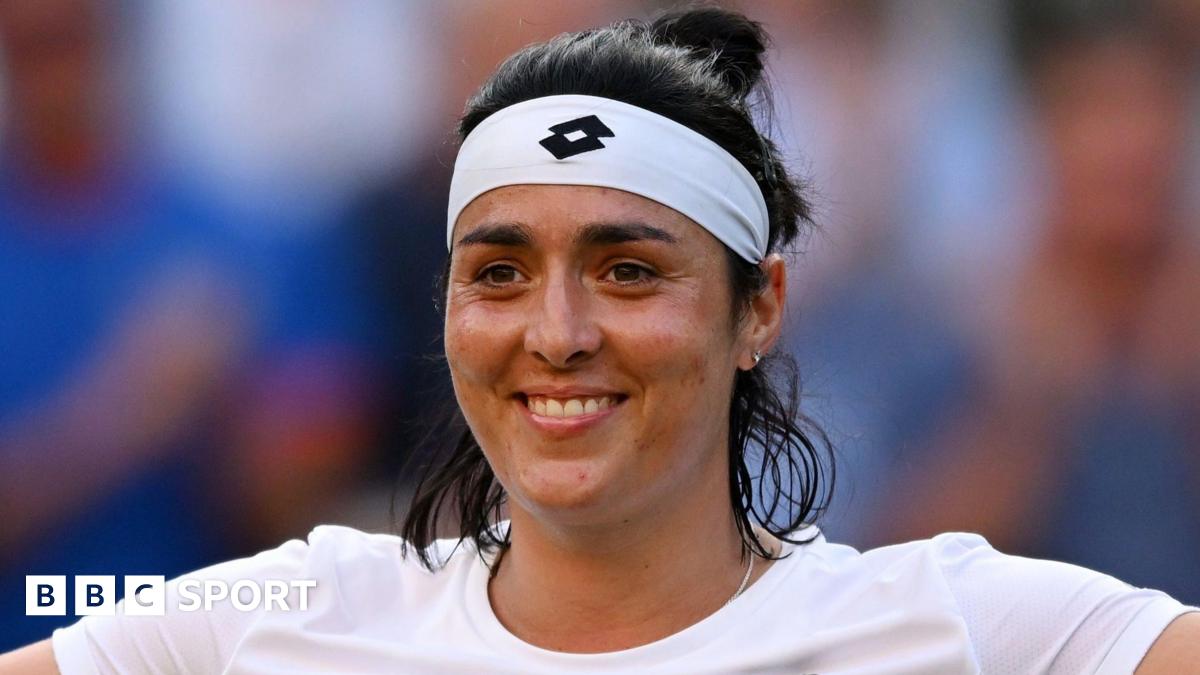
Ons Jabeur‘s Break: A Deep Dive into Player Wellbeing and the Demanding World of professional Tennis
(Published November 11, 2025, 03:17:51)
The recent announcement by Ons Jabeur, the beloved Tunisian tennis star and two-time Wimbledon finalist, to take a hiatus from the WTA tour has sent ripples through the tennis world. More then just a player stepping away, Jabeur’s decision highlights a growing crisis within professional tennis: the unsustainable demands placed on athletes and the critical need for prioritizing player wellbeing. This isn’t simply about one athlete needing rest; it’s a symptom of a system pushing its competitors to the brink.Jabeur, affectionately known as the ‘Minister of Happiness’ for her infectious positivity, is bravely choosing self-care, a move that resonates deeply with current conversations surrounding mental and physical health in elite sports.
The Breaking Point: A Schedule “Killing Everyone”
Jabeur’s candid assessment that the current tennis schedule ”is killing everyone” isn’t hyperbole. It’s a stark reality echoed by fellow top players like Iga Swiatek, who recently voiced concerns about the season’s length and intensity (as reported by the BBC). The relentless cycle of tournaments,travel,and media obligations leaves athletes with minimal time for recovery,personal life,or even simply living.
This isn’t a new issue, but it’s reaching a critical mass. The physical toll is obvious – increased injury rates, chronic fatigue, and shortened careers. However, the mental and emotional strain is often overlooked. The pressure to perform, maintain rankings, and satisfy sponsors creates a high-stress habitat that can lead to burnout, anxiety, and depression. Consider the constant scrutiny, the travel fatigue, and the isolation inherent in a global tour. It’s a recipe for disaster.
Jabeur’s Impact: Beyond the Court
Ons Jabeur’s significance extends far beyond her extraordinary five WTA singles titles and historic ranking as the highest-ranked player from an Arab nation. She’s a cultural icon, inspiring millions, especially in the Arab world, with her resilience and joyful spirit. Her decision to prioritize her health isn’t just a personal one; it’s a powerful statement about the importance of self-respect and setting boundaries.
Her openness about needing to “breathe, to heal, and to rediscover the joy of simply living” is a refreshing departure from the often-stoic facade presented by elite athletes. It’s a reminder that even the most successful individuals are human and require time to recharge and reconnect with themselves.
The Future of Tennis: Towards a Sustainable model
What can be done to address this systemic issue? Several potential solutions are being discussed within the tennis community:
* Calendar Reform: Reducing the number of mandatory tournaments and implementing more strategic scheduling to allow for adequate rest periods. The ATP and WTA are currently exploring options, but progress is slow.
* Increased Player Support: Providing greater access to mental health resources, physiotherapy, and personalized coaching.
* Revenue Sharing: A fairer distribution of tournament revenue to ensure players are adequately compensated for their efforts and can afford extensive support teams.
* Player Agency: Empowering players to have a greater voice in shaping the tour’s structure and rules.
These changes won’t happen overnight, but Jabeur’s courageous decision is a catalyst for much-needed conversation and action.The long-term health of the sport depends on prioritizing the wellbeing of its athletes. Are we, as fans and stakeholders, willing to support these changes, even if it means a slightly less packed schedule?
Beyond Burnout: The Rise of Mental Health awareness in Tennis
The conversation surrounding **mental health in