
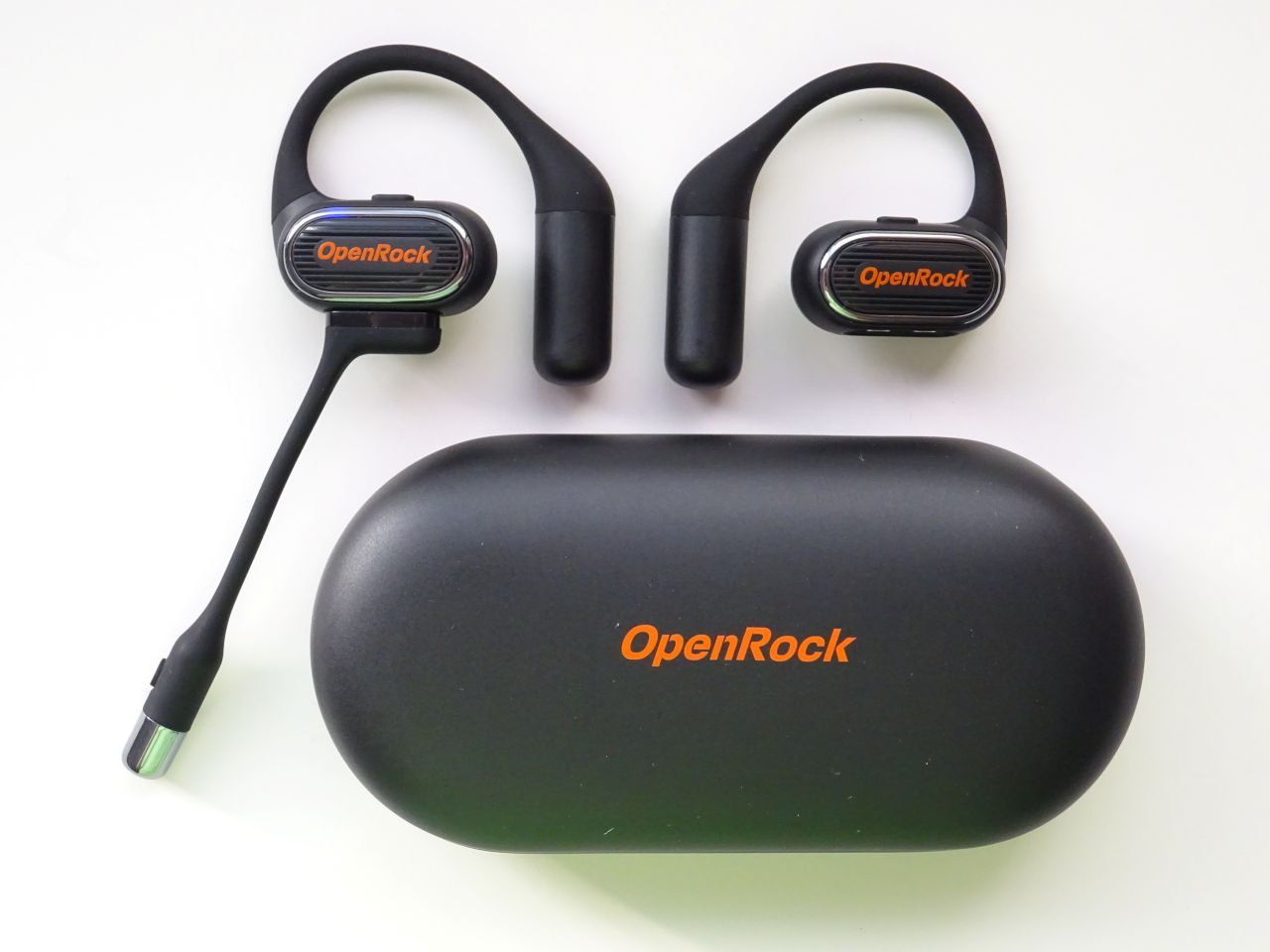
OpenRock Link 20: A Deep Dive into Open-ear Audio Performance
The OpenRock Link 20 earphones represent a compelling shift in personal audio, prioritizing situational awareness through their unique open-ear design. But how dose this approach impact sound quality across various use cases? This comprehensive review delves into the Link 20’s performance,moving beyond basic specs to offer a nuanced understanding for potential buyers – particularly those focused on transcription,language learning,and everyday listening.
What Makes the OpenRock Link 20 Different?
Unlike customary earbuds or headphones that seal off the ear canal, the Link 20 utilizes bone conduction and directional audio to deliver sound without obstructing ambient noise. This isn’t simply about hearing your surroundings; it fundamentally alters the listening experience.
Transcription & Clarity: A Standout feature
The Link 20 truly shines when it comes to audio clarity, making them exceptionally well-suited for tasks like:
* Accurate Transcription: The earphones reproduce voices with remarkable fidelity, even those with strong accents or speaking foreign languages. This minimizes errors and saves significant editing time.
* Language Learning: Distinguishing subtle phonetic differences is crucial for language acquisition.The Link 20’s clear vocal reproduction aids in pronunciation and comprehension.
* Lecture & Meeting Capture: Whether in-person or virtual, the Link 20 ensures you capture every detail of spoken information, enhancing note-taking and recall.
Sound leakage is minimal at moderate volumes (under 50% at 1 meter), making them discreet for use in shared spaces like libraries. However, higher volumes in quiet environments may become audible to those nearby.
Spatial Audio: A Mixed Bag
The Link 20 features a “Spatial Sound” mode intended to create a more immersive listening experience. While effective for cinematic soundscapes - think a dramatic rooftop scene – its performance with music is less impressive.
* Film & Immersive Audio: The mode successfully expands the soundstage, mimicking the experience of a larger theater.
* Music Limitations: The Link 20 struggles to accurately localize sounds in three-dimensional space, diminishing the impact of spatial audio formats like Sony 360 Reality Audio. Sounds lack the precise placement needed for a truly immersive musical experience.
Music Performance: Prioritizing Vocals & Comfort
designed primarily for communication, the OpenRock Link 20’s audio profile reflects this focus. Don’t expect thumping bass; the open-ear design inherently limits low-frequency reproduction.
* Bass Response: The lack of significant low-end is noticeable in bass-heavy tracks, possibly impacting the rhythmic drive of genres like electronic or hip-hop.
* Vocal Clarity: Vocals are consistently forward and clear, even within complex arrangements.This makes the Link 20 ideal for enjoying vocal-centric music or podcasts. Examples like Charlotte Church’s Requiem: Pie Jesu demonstrate this strength beautifully.
* Stereo Soundstage: The open-ear design creates a surprisingly wide stereo image, enhancing the enjoyment of songs with well-placed instruments, such as michael Jackson’s Billie Jean.
* Listening Fatigue: The balanced sound profile and lack of harsh frequencies contribute to exceptionally low listening fatigue, making them comfortable for extended use. The sound is akin to the pleasant background music found in upscale retail environments – engaging without being overwhelming.
Is the OpenRock Link 20 right for You?
the OpenRock Link 20 isn’t about delivering audiophile-grade sound. It’s about providing a comfortable, clear, and aware listening experience. If your priorities include transcription, language learning, or all-day comfort during calls and moderate music listening, the Link 20 is a compelling option. Though, bass enthusiasts and those seeking a truly immersive spatial audio experience may want to explore alternative options.





