
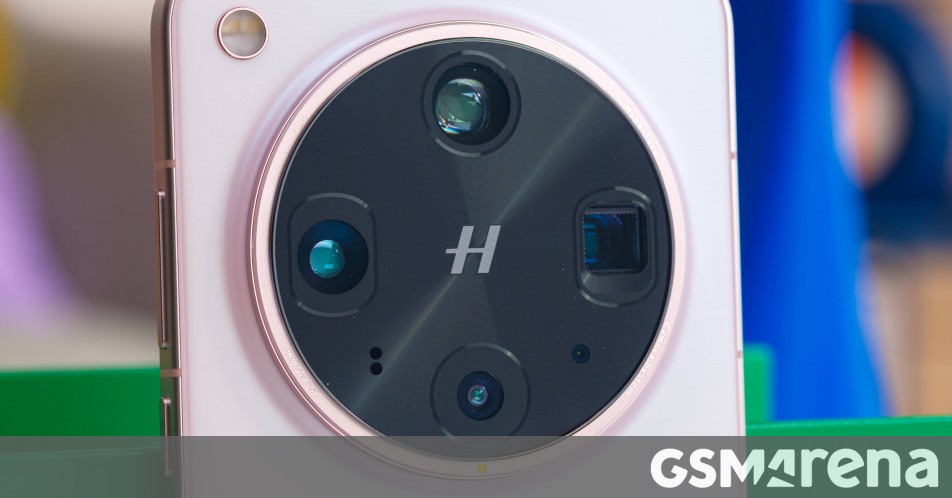
Oppo Find X9 Ultra: A Deep Dive into the Rumored Camera Revolution
The buzz surrounding the Oppo Find X9 Ultra is intensifying, with recent whispers pointing towards a March launch. But it’s not just the timing that has tech enthusiasts excited; it’s the potential camera system. Leaks suggest Oppo is aiming for a groundbreaking setup, and we’re here to break down everything you need to know about the rumored sensors and what they could mean for your mobile photography.
Unpacking the Sensor Speculation
Recent reports, originating from tipster HALTM7 on X (formerly Twitter), detail a camera configuration that, if accurate, would position the Find X9 Ultra as a serious contender for the best camera phone of the year. Let’s dive into the specifics.
Primary camera: Sony LYTIA 901 – A 200MP Powerhouse
At the heart of the system is allegedly the Sony LYTIA 901 sensor.Announced in late 2023, this 1/1.12″ type sensor boasts a massive 200MP resolution. This isn’t just about megapixels, though. the LYTIA 901’s larger sensor size allows for significantly improved light gathering, resulting in better low-light performance and dynamic range.expect a 23mm focal length, offering a versatile viewpoint for everyday shots.
Ultrawide Lens: Samsung ISOCELL JN5 – Versatility Redefined
The ultrawide camera is rumored to utilize the Samsung ISOCELL JN5, a 1/2.76″ type, 50MP sensor. With a 15mm focal length, this lens will capture expansive landscapes and group photos with ease. The JN5 is known for its excellent detail and color reproduction, making it a solid choice for a secondary camera.
Telephoto Duo: A Unique Approach to Zoom
This is where things get particularly interesting. Oppo appears to be employing two telephoto lenses:
* 3x Optical Zoom: Utilizing the OmniVision OV52A sensor (1/1.28″ type, 200MP), this lens will offer a 70mm focal length, ideal for portraits and closer subjects.
* 10x Optical Zoom: Surprisingly, the same Samsung ISOCELL JN5 sensor found in the ultrawide camera is reportedly being used here, but with a much longer 230mm focal length. This unconventional choice raises questions about image quality consistency, but could perhaps offer a unique zoom experience.
Why This Camera Setup matters
This potential configuration is a departure from the typical smartphone camera setups. The use of two different sensors for the telephoto lenses, particularly reusing the JN5, is intriguing. Here’s what it could mean for you:
* Enhanced Zoom Capabilities: The combination of 3x and 10x optical zoom provides greater flexibility for capturing distant subjects.
* Improved Low-Light Performance: The larger sensors, especially the Sony LYTIA 901 and OmniVision OV52A, promise better low-light photos with less noise.
* Greater Detail and Dynamic Range: The high-resolution sensors capture more detail and offer a wider dynamic range, resulting in more vibrant and realistic images.
* Computational photography Advancements: Oppo’s image processing algorithms will play a crucial role in optimizing the output from these sensors, potentially delivering stunning results.
According to recent data from Counterpoint Research (Q4 2023), smartphone camera innovation is a key driver of consumer purchasing decisions, with 68% of consumers citing camera quality as a major factor. Oppo’s investment in cutting-edge sensors demonstrates their commitment to delivering a top-tier camera experience.
Addressing Common Questions
Let’s tackle some questions you might have about the Oppo Find X9 Ultra camera:
* Will the 200MP sensors actually improve image quality? Yes,but not simply as of the megapixel count. The larger sensor size and advanced image processing are equally significant.
* is the JN5 sensor suitable for a 10x optical zoom lens? This is a valid concern. The smaller sensor size might result in lower image quality at higher zoom levels. However, Oppo’s software optimization could mitigate this issue.
*





