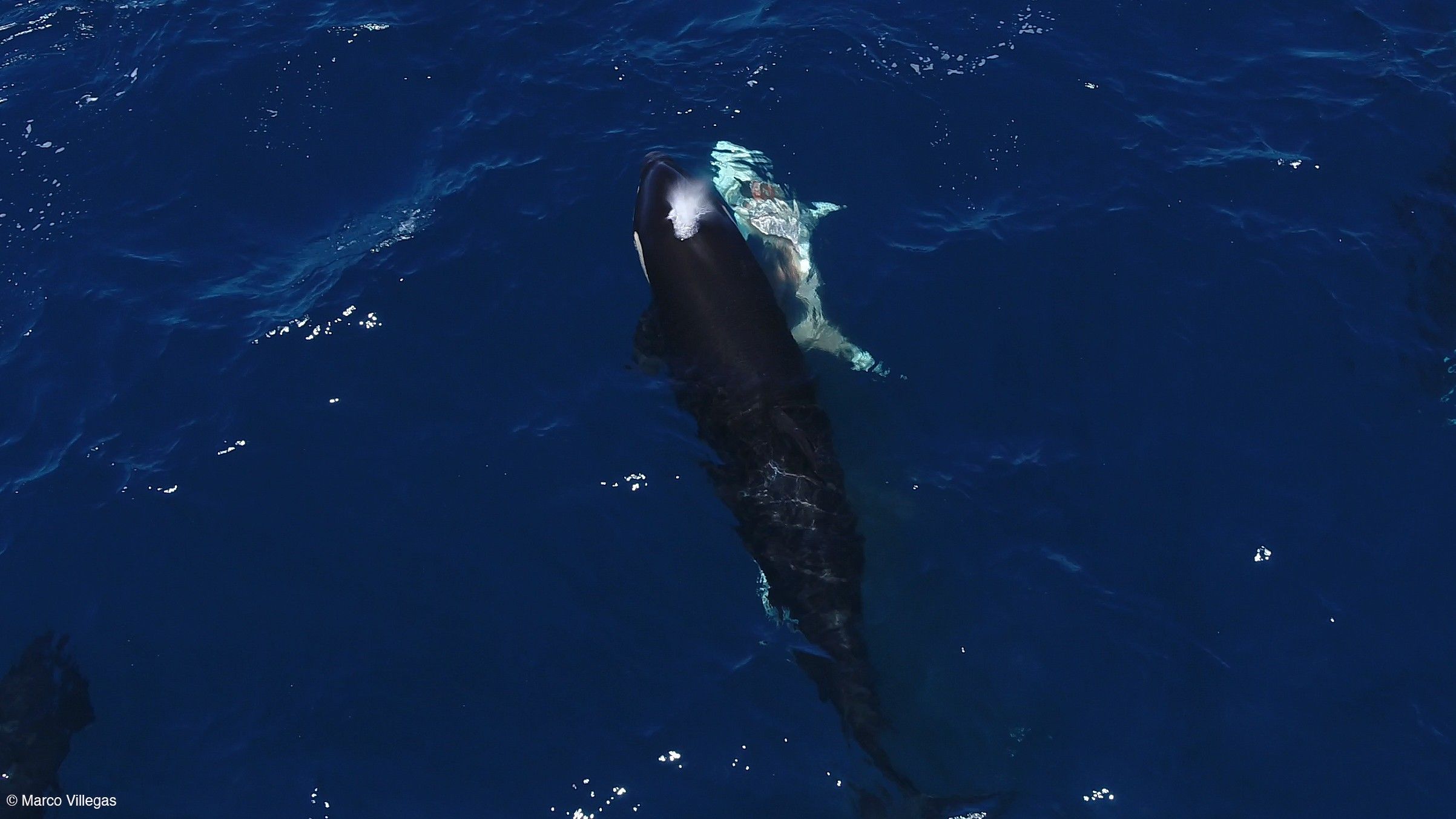
Orcas Are Systematically Targeting Great White Sharks – And It’s a Sign of Their Incredible Intelligence
For years, stories have circulated about orcas, also known as killer whales, exhibiting increasingly complex and sometimes alarming behaviors. Now,a disturbing trend has emerged in the Gulf of California: a pod of orcas is actively hunting and killing great white sharks,specifically targeting their nutrient-rich livers. This isn’t accidental; it’s a learned, strategic behavior demonstrating a remarkable level of intelligence and social learning within these apex predators.
A New Hunting Strategy Unveiled
Recent observations reveal a coordinated attack pattern. Orcas are disabling great white sharks, often juveniles, before precisely removing their livers. This isn’t a fatal blow in itself, but it leaves the sharks unable to function and ultimately leads to their demise.
Here’s what researchers have discovered about this unusual behavior:
* Targeted Attacks: The orcas aren’t simply attacking any shark; they’re focusing on great whites.
* Liver Extraction: The liver is the primary target, a highly nutritious organ rich in squalene.
* Tonic Immobility: Evidence suggests the orcas may be inducing tonic immobility in the sharks – a catatonic state – to minimize the risk of being bitten during the liver extraction.
* Juvenile Preference: While the full extent is still being investigated, the attacks appear to focus on younger, more vulnerable sharks.
Why Now? Shifting Ocean Conditions and Orca Adaptability
This behavior hasn’t always been observed, leading scientists to question what triggered this shift.Several factors likely contribute to this new hunting strategy. Rising ocean temperatures, driven by climate change and events like El Niño, are altering the distribution of marine life.
specifically:
* Shark Nursery Shift: Great white sharks have recently begun breeding in Mexican waters,establishing new nurseries.
* Increased juvenile Presence: This has led to a higher concentration of juvenile great whites in the Gulf of California.
* Orca Chance: A local pod, known as Moctezuma’s pod, appears to be capitalizing on this increased availability of prey.
You might wonder if this is limited to just one pod. Researchers believe other orca pods in the region could adopt this behavior as well,demonstrating the power of social learning.
The Intelligence Behind the Hunt
This isn’t simply about finding a new food source.it’s a testament to the incredible cognitive abilities of orcas. They are demonstrating:
* Strategic Thinking: Planning and executing a complex hunt requiring coordination.
* Advanced Intelligence: Understanding the anatomy of their prey and targeting a specific organ.
* Social Learning: Passing down hunting techniques through generations within their pod.
Consider this: orcas have been observed engaging in other complex behaviors, like pretending to drown one another in what appears to be macabre training exercises. This highlights their capacity for learning, teaching, and adapting to changing environments.
What Does This Mean for the Future?
The implications of this behavior are notable. It raises questions about the long-term impact on great white shark populations in the Gulf of California and beyond. You can expect continued monitoring of orca behavior and shark distribution to better understand the dynamics of this predator-prey relationship.
Furthermore, this situation underscores the importance of addressing climate change and its impact on marine ecosystems. As ocean conditions continue to shift, we can anticipate further adaptations and potentially surprising behaviors from marine life, highlighting the need for ongoing research and conservation efforts.