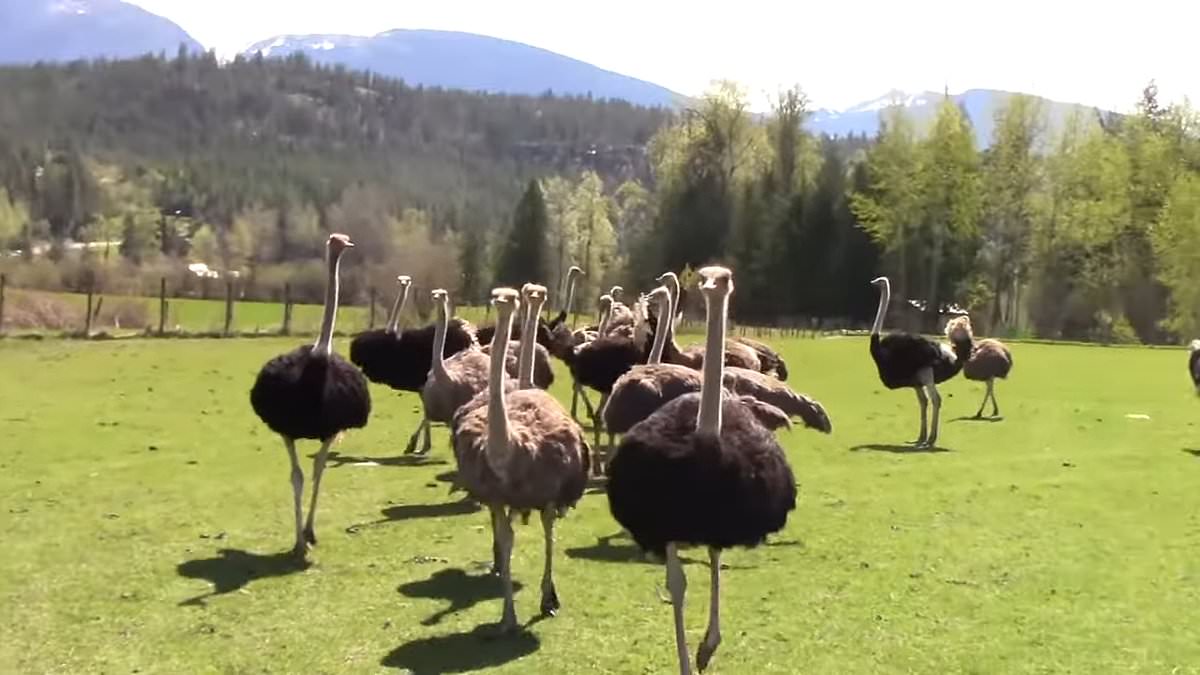
Canadian Ostrich Farm Suffers devastating Cull after Bird Flu Battle
A Canadian ostrich farm, Universal Ostrich Farms, has experienced a heartbreaking loss after authorities culled its entire flock following a prolonged battle with a novel strain of avian influenza. The situation unfolded over months, marked by legal challenges, scientific examination, and ultimately, a tragic outcome for the birds. This article details the events, the scientific concerns, and the farm’s desperate attempts to save its animals.
The Outbreak and Initial Response
Initially, lab testing revealed a new and concerning strain of bird flu, unlike any previously seen in Canada. It contained a genetic mix known as D1.3, which had been previously linked to a human infection in an Ohio poultry worker, raising alarm bells for public health officials. Despite losing approximately 10% of its flock, Espersen, the farm owner, reported in January that the remaining birds appeared to be developing herd immunity.
A Temporary Reprieve and Legal Fight
However, Canadian authorities remained concerned about the potential for wider spread of the virus. The farm fought back, securing a temporary legal victory that halted the planned cull. Justice Michael Battista ruled that proceeding with the cull before a thorough review of the evidence would cause irreparable harm to the farm, as the loss of the ostriches would be permanent.
The Inevitable Cull
Unfortunately, Universal Ostrich Farms ultimately lost its final appeal in August. Canadian authorities maintained that the cull was a necessary measure to protect both wild and domestic bird populations from the highly contagious virus. The farm reported that approximately 100 days had passed in April since any ostrich on the property had shown signs of respiratory illness, but this wasn’t enough to sway the decision.
The Tragic Event
On November 6th, the cull took place. Pasitney, a witness, reported hearing hundreds of gunshots around 6 pm local time as authorities corralled and killed the ostriches. “they are all gone,” she stated,”They were unnecessarily killed… they didn’t need to die.”
Understanding the Concerns: Avian Influenza and Public Health
This case highlights the serious threat posed by avian influenza. Here’s a breakdown of key points:
* Novel Strain: The D1.3 genetic mix is notably concerning due to its previous link to human infection.
* Rapid Spread: Bird flu viruses can spread rapidly among bird populations, causing critically important economic and ecological damage.
* Zoonotic Potential: The possibility of transmission to humans is a major public health concern, necessitating swift and decisive action.
* Herd Immunity challenges: While herd immunity can develop, it’s not always guaranteed, and the virus can mutate, rendering immunity less effective.
The ostriches Themselves: A 35-Year Legacy
Many of the ostriches at Universal Ostrich Farms had lived there for 35 years, and each bird had a name, adding a deeply personal dimension to the tragedy.The loss represents not just an economic blow to the farm, but also the end of a long-standing community of animals.
What This Means for You and the Future of Poultry Farming
This situation underscores the ongoing challenges facing poultry farmers and the importance of biosecurity measures. You can stay informed about avian influenza outbreaks through these resources:
* Canadian Food Inspection Agency (CFIA): https://www.inspection.canada.ca/food-safety-for-consumers/bird-flu/eng/1615840399879/1615840520879
* World Organisation for Animal Health (WOAH): https://www.woah.org/en/disease/avian-influenza/
The case of Universal Ostrich Farms serves as a stark reminder of the delicate balance between animal welfare, public health, and economic


![Master Lock Comanche: Race Time, Weather & How to Watch | [Year] Update](https://static.ffx.io/images/$zoom_0.5516%2C$multiply_0.7554%2C$ratio_1.777778%2C$width_1059%2C$x_0%2C$y_55/t_crop_custom/q_86%2Cf_jpg/t_metro_live_no_age_social_wm/53c85f551a91ff2c094f35fc9f3bff31abb136bca8acaf39f79f098dd87f56e5 "Master Lock Comanche: Race Time, Weather & How to Watch | [Year] Update")