
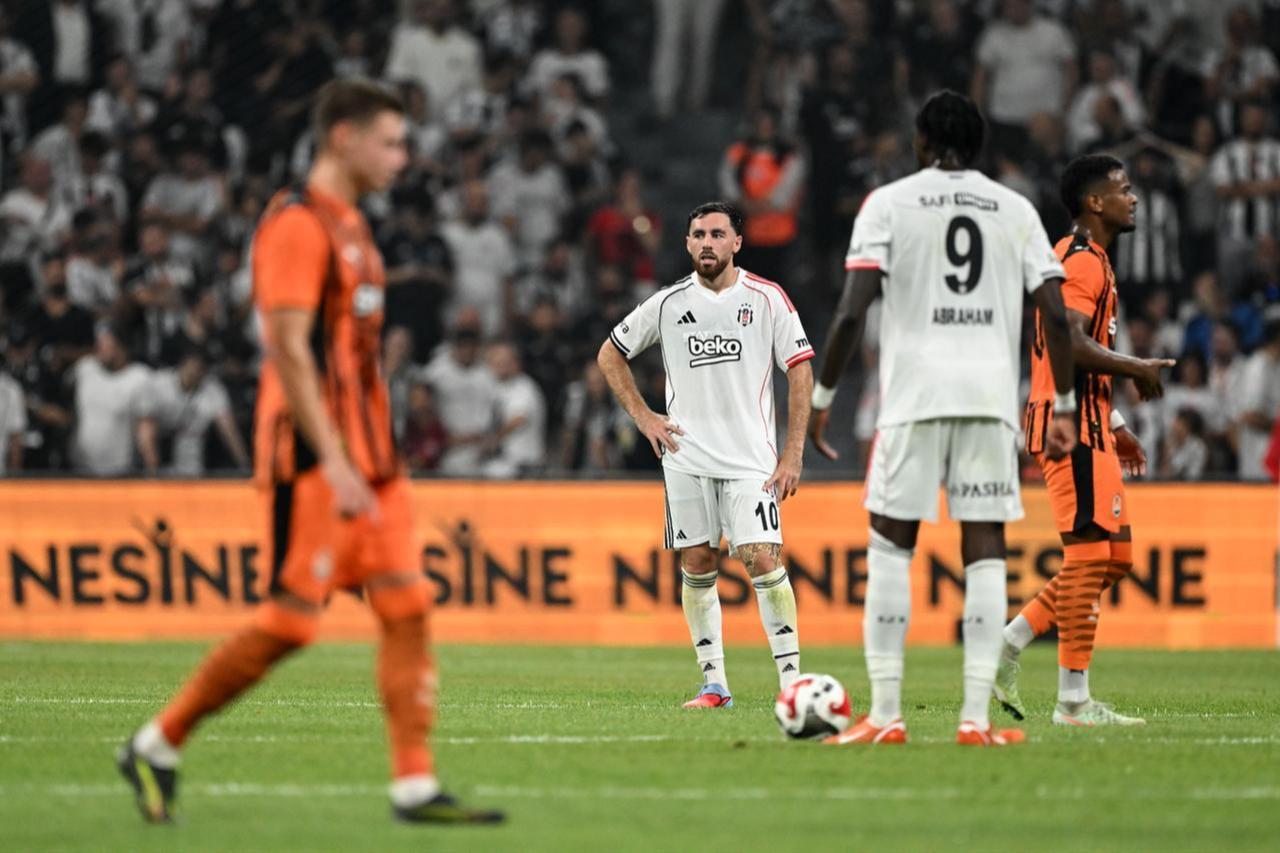
Shakhtar Donetsk secured a commanding 3-0 victory over AZ Alkmaar in the first leg of their UEFA Conference League quarterfinal on Thursday, April 9, 2026. However, the clinical performance on the pitch has been overshadowed by emerging reports of a serious medical incident and subsequent controversy regarding player safety protocols.
The match, held at the Stadion Miejski im. Henryka Reymana in Kraków, Poland, saw the Ukrainian side take a significant advantage heading into the second leg. Even as the scoreline suggests a routine win, the aftermath has been dominated by claims from various media outlets regarding the handling of a severe head injury sustained during the game.
Reports from outlets including HLN and Voetbal International have highlighted a moment of “shock” and “outrage,” alleging that a player was permitted to continue competing despite suffering a significant blow to the head. According to reports from VoetbalPrimeur.be, the severity of the incident was such that players from both AZ Alkmaar and Shakhtar Donetsk formed a circle around the injured athlete in a show of concern before the game resumed.
Dominant Performance in Kraków
On the sporting front, Shakhtar Donetsk controlled the tempo of the encounter, utilizing a 4-1-4-1 formation under manager Arda Turan. The Ukrainian side maintained a possession rate of 51.4%, effectively neutralizing the Dutch visitors throughout the 90 minutes via ESPN.
The deadlock was broken in the 72nd minute when Pedrinho found the back of the net, sparking a late surge of goals for the home side. Alisson Santana then sealed the result with a rapid-fire brace, scoring in the 81st and 83rd minutes to finalize the 3-0 scoreline via ESPN.
The match was attended by 9,004 spectators in Poland, with Shakhtar recording six shots on goal compared to AZ Alkmaar’s three via ESPN. Despite the comfortable margin, the atmosphere turned tense during the reported medical emergency, a detail that has since become the focal point of the post-match analysis.
Controversy Over Head Injury Management
While the official match statistics reflect a victory, the discourse in the Ukrainian and Dutch press has shifted toward the ethics of the medical decisions made during the match. Reports suggest that the decision to allow a player to remain on the pitch after a “heavy head injury” has been described as “absolutely ridiculous” by some observers.
The controversy centers on the adherence to concussion protocols. In modern football, head injuries are treated with extreme caution to prevent Second Impact Syndrome and long-term neurological damage. The reports of a player continuing to play after a significant impact have sparked a debate about whether the pressure of a European quarterfinal outweighed the immediate health and safety of the athlete.
According to reports from Voetbal International, the Ukrainian press has also expressed dissatisfaction, with some describing the situation as “scandalous.” The image of players from both teams forming a protective circle around the injured player serves as a stark contrast to the eventual decision to allow the player to continue, raising questions about the communication between the match officials, the medical staff, and the coaching bench.
Player Safety and the Modern Game
The incident underscores a recurring tension in professional sports: the balance between competitive drive and medical necessity. UEFA and FIFA have implemented stricter concussion substitutes in recent years to encourage teams to remove players suspected of having a brain injury without penalizing the team’s tactical structure.

When a player suffers a head injury, standard protocol typically involves an immediate assessment for signs of concussion, such as disorientation, memory loss, or balance issues. If any such symptoms are present, the player is generally required to be removed from the field immediately for further evaluation. The allegations surrounding the Shakhtar-AZ match suggest a potential failure in this chain of command.
For the global football community, these reports serve as a reminder of the critical role played by independent medical observers. The “circle of players” described in the reports indicates a high level of peer concern, which often precedes official medical intervention in high-stress match environments.
Match Summary: Shakhtar Donetsk vs. AZ Alkmaar
| Stat/Detail | Shakhtar Donetsk | AZ Alkmaar |
|---|---|---|
| Final Score | 3 | 0 |
| Goals | Pedrinho (72′), Santana (81′, 83′) | – |
| Possession | 51.4% | 48.6% |
| Shots on Goal | 6 | 3 |
| Venue | Stadion Miejski im. Henryka Reymana, Kraków | |
As the football world awaits official statements from the clubs or UEFA regarding the medical handling of the incident, the focus remains on the physical and mental well-being of the players involved. The integrity of the sport relies not only on the fairness of the competition but on the rigorous application of safety standards that protect athletes from preventable harm.
The second leg of the UEFA Conference League quarterfinal will determine which side advances to the semifinals, but the conversation surrounding player welfare in Kraków is likely to persist long after the final whistle of the tie.
We will provide updates as official medical reports or club statements are released. Do you believe current concussion protocols in European football are strict enough? Share your thoughts in the comments below.