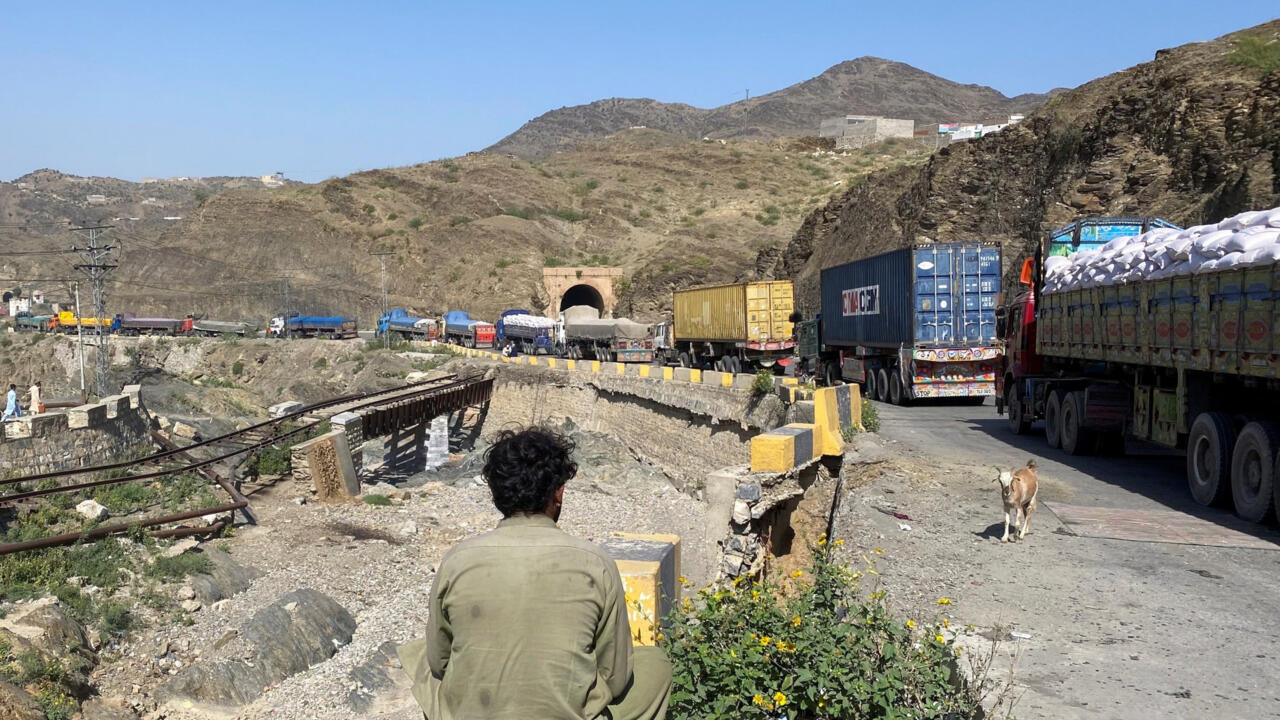
Escalating Tensions: Pakistan Closes Border with Afghanistan After Deadly Clashes
Recent exchanges of fire between pakistani and Afghan forces have dramatically escalated tensions, leading Pakistan to close all major border crossings with Afghanistan on Sunday. The move follows a series of retaliatory actions sparked by Pakistani airstrikes within Afghanistan and claims of notable casualties on both sides. This situation raises serious concerns about regional stability and the ongoing fight against militancy.
A Cycle of Retaliation
The current crisis began late Saturday when Afghan troops reportedly opened fire on Pakistani border posts. This action,according to Afghanistan’s Ministry of Defense,was in direct response to Pakistani airstrikes conducted earlier in the week. Pakistan confirmed it returned fire using artillery and small arms.
Here’s a breakdown of the reported events:
* Afghanistan’s Claim: Kabul alleges it killed 58 Pakistani soldiers and suffered 20 casualties (killed or injured) among its own troops.
* Pakistan’s Response: Islamabad has yet to officially confirm casualty figures but states its forces inflicted losses on Afghan forces.
* Mutual Claims of Destruction: Both sides claim to have destroyed each other’s border posts, with Pakistani security officials releasing video footage purportedly showing strikes on Afghan positions.
While autonomous verification of these claims remains elusive, the intensity of the exchange is undeniable. Intermittent gunfire continued in Pakistan’s Kurram area Sunday morning, despite Afghanistan’s Ministry of Defence stating its operations concluded at midnight local time.
Diplomatic Intervention & Border Closure
The escalating conflict prompted concern from international actors. Qatar and Saudi Arabia reportedly intervened,requesting a cessation of hostilities. Kabul announced Sunday it had halted attacks at their request.
However, the situation remains fragile. Pakistan responded by closing all its main border crossings with Afghanistan, including:
* Torkham
* chaman
* Kharlachi
* Angoor Adda
* Ghulam khan
This closure substantially impacts Afghanistan, a landlocked nation heavily reliant on Pakistan for trade and transit. The 2,600-kilometer (1,600-mile) border is a vital artery for the Afghan economy.As of now, Kabul has not commented on the border closure.
The Root of the conflict: militancy Concerns
At the heart of this dispute lies Pakistan’s accusation that the Taliban administration is harboring militants who launch attacks within pakistan.Specifically, islamabad points to the tehreek-e-Taliban Pakistan (TTP), a group fighting to overthrow the Pakistani government and establish a strict Islamic system.
* Pakistani Airstrikes: A Pakistani security official revealed that the recent airstrikes targeted a TTP leader believed to be operating from within Afghanistan. His fate remains unconfirmed.
* Taliban Denial: Taliban spokesman Zabihullah Mujahid vehemently denies allowing TTP fighters to operate from Afghan soil,asserting Afghanistan will defend its territory.
You might be wondering why this is happening now. Experts believe Pakistan’s patience has worn thin following a surge in TTP attacks within its borders,including incidents that have resulted in over 20 security force deaths in recent weeks.
What Does This Mean for the Future?
The border closure and ongoing tensions represent a dangerous escalation in the already complex relationship between Pakistan and Afghanistan. The situation demands careful diplomacy and a commitment from all parties to address the underlying issue of cross-border militancy.
For you,as someone following regional security,it’s crucial to understand that:
* Regional Stability is at Risk: Prolonged conflict could destabilize the entire region.
* Humanitarian Concerns: The border closure will exacerbate the already dire humanitarian situation in Afghanistan.
* The Need for Dialogue: A sustainable solution requires direct and honest dialogue between Pakistan and the Taliban administration.
This is a developing story, and we will continue to provide updates as they become available.
(FRANCE 24 with Reuters)
Disclaimer: This article provides data based on currently available reports. Casualty figures and details surrounding the events are subject to change as investigations continue.