
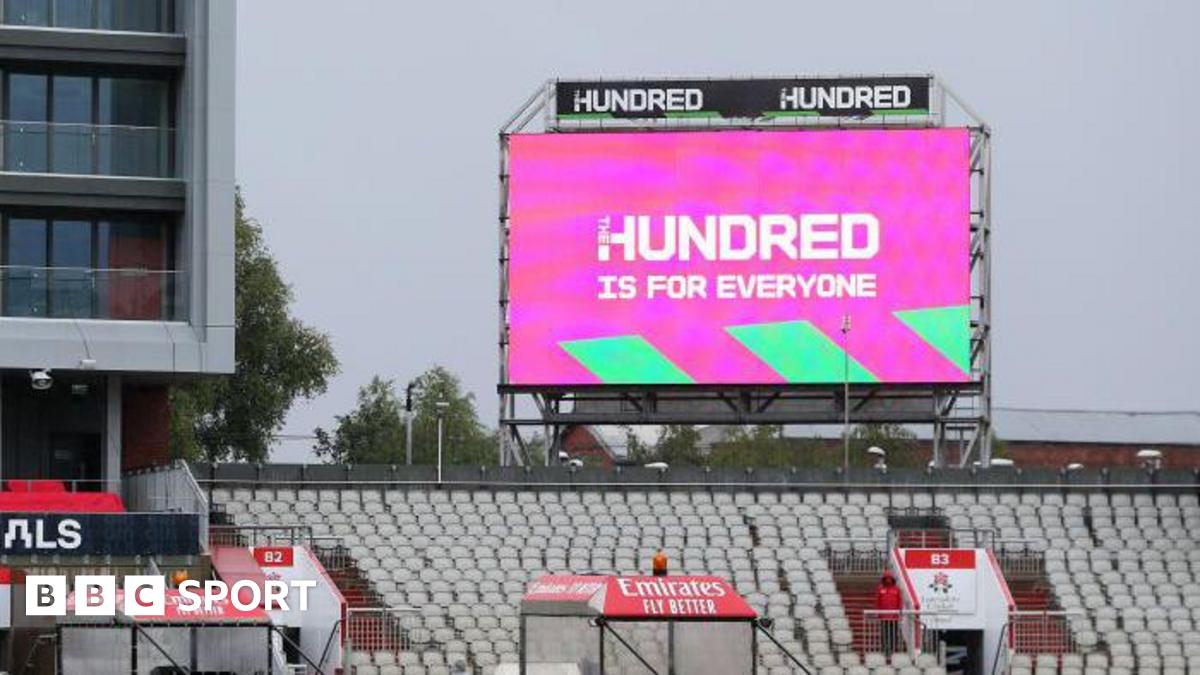
The upcoming season of The Hundred cricket competition is already facing scrutiny as reports emerge suggesting that Pakistani players are being overlooked by teams with connections to the Indian Premier League (IPL). This development raises questions about inclusivity and potential discrimination within the burgeoning world of franchise cricket, and echoes long-standing geopolitical tensions between India and Pakistan that extend into the sporting arena. The situation highlights the complex interplay between sporting ambitions and broader political realities, and has prompted responses from both the England and Wales Cricket Board (ECB) and franchise owners.
For years, Pakistani cricketers have been excluded from participating in the IPL, a situation stemming from diplomatic strains between India and Pakistan. This exclusion, beginning in 2009, has created a precedent that appears to be influencing team selections in The Hundred, a tournament designed to broaden the appeal of cricket in England and Wales. The core issue revolves around four of The Hundred’s eight franchises – Manchester Super Giants, MI London, Southern Brave, and Sunrisers Leeds – which have at least partial ownership ties to IPL teams. This connection, according to reports, is leading to an “unwritten rule” against considering Pakistani players for selection.
The IPL-Hundred Connection and Allegations of Exclusion
The structure of The Hundred, launched in 2021, was intended to attract a global audience and showcase talent from across the cricketing world. However, the increasing investment from IPL team owners has introduced a new dynamic. Manchester Super Giants is linked to Mumbai Indians, MI London to MI Emirates, Southern Brave to Sunrisers Hyderabad, and Sunrisers Leeds to Sunrisers Hyderabad. This ownership overlap is at the heart of the current controversy. Reports indicate that agents representing Pakistani players have been informed, both directly and indirectly, that their clients are unlikely to be considered by these IPL-linked franchises.
A senior official from the ECB reportedly communicated to an agent that interest in Pakistani players would be limited to teams without IPL affiliations. Another agent described the situation as an “unwritten rule” prevalent across T20 leagues with Indian investment, suggesting this isn’t an isolated incident confined to The Hundred. While the ECB has publicly stated its commitment to inclusivity, the actions of these franchises raise concerns about whether those policies are being consistently applied. The ECB has stated that almost 1,000 cricketers from 18 nations have registered for The Hundred auction, including over 50 players from Pakistan, Australia, South Africa, New Zealand, and the West Indies, but the question remains whether Pakistani players will receive a fair opportunity.
ECB Response and Franchise Statements
Richard Gould, the ECB’s chief executive, stated last year that he anticipated “players from all nations to be selected for all teams” in The Hundred, emphasizing the presence of “clear anti-discrimination policies.” However, the current situation appears to contradict this expectation. The ECB has reiterated its commitment to welcoming players from all over the world, stating that it expects the eight teams to reflect this diversity.
Responses from the franchises themselves have been limited. Three of the four teams in question have not publicly commented on the allegations. James Sheridan, deputy chair of Manchester Super Giants, offered a brief statement to the BBC, stating that the team’s focus is solely on assembling the strongest possible squads to compete effectively in both The Hundred and other competitions. This response, while not denying the allegations, does not address the concerns about potential discrimination or the impact of IPL ownership on team selection.
Historical Context: India-Pakistan Cricket Relations
The exclusion of Pakistani players from the IPL dates back to the aftermath of the 2008 Mumbai terrorist attacks, which led to heightened tensions between India and Pakistan. The attacks prompted the Indian government to suspend bilateral cricketing ties with Pakistan, and Pakistani players were subsequently barred from participating in the IPL. Despite occasional attempts to resume participation, political obstacles have consistently prevented Pakistani cricketers from competing in the lucrative Indian league. Diplomatic tensions between the two countries remain a significant barrier to resuming cricketing exchanges.
This long-standing exclusion has had a significant impact on Pakistani cricket, depriving its players of valuable exposure and financial opportunities. The IPL is widely regarded as the premier T20 league in the world, and participation in the league is highly sought after by cricketers from all nations. The inability of Pakistani players to compete in the IPL has created a disparity in opportunities and has contributed to a sense of frustration within the Pakistani cricketing community.
Implications for The Hundred and Global Cricket
The situation surrounding Pakistani players in The Hundred raises broader questions about the influence of politics and commercial interests on sporting events. The increasing globalization of cricket has led to greater financial investment from various sources, including IPL team owners. While this investment can be beneficial for the growth of the game, it also carries the risk of creating conflicts of interest and potentially undermining the principles of inclusivity and fair play.
The controversy also highlights the challenges faced by the ECB in balancing its commitment to diversity with the commercial realities of franchise cricket. The ECB has invested heavily in The Hundred, hoping to attract a new generation of fans and establish a successful T20 league. However, the allegations of discrimination could damage the tournament’s reputation and undermine its efforts to promote inclusivity. The ECB’s response to this situation will be closely watched by the cricketing world, and its actions will likely set a precedent for future franchise leagues.
The Broader Impact of “Unwritten Rules”
The description of an “unwritten rule” regarding Pakistani players extends beyond The Hundred, with reports suggesting similar practices in other T20 leagues with Indian investment. This raises concerns about a systemic bias against Pakistani cricketers, potentially limiting their opportunities to compete at the highest level of the game. Such practices could stifle the development of talent and create a less diverse and competitive cricketing landscape.
The situation also underscores the need for greater transparency and accountability in franchise cricket. Clear guidelines and regulations are needed to ensure that team selections are based solely on merit and that all players are treated fairly, regardless of their nationality or political affiliations. The ECB and other governing bodies have a responsibility to uphold these principles and to protect the integrity of the game.
What Happens Next?
The upcoming auction for The Hundred will be a crucial test of the ECB’s commitment to inclusivity. Whether Pakistani players are actively considered by the IPL-linked franchises will be a key indicator of whether the “unwritten rule” is being enforced. The ECB has stated its expectation that the teams will reflect the diversity of the cricketing world, but it remains to be seen whether this expectation will be met in practice.
Further scrutiny is expected from cricket fans, media outlets, and advocacy groups. The situation is likely to remain a topic of discussion throughout the tournament, and any evidence of discrimination could lead to further calls for action. The ECB will likely face pressure to investigate the allegations and to implement measures to prevent similar situations from occurring in the future. The outcome of this situation could have significant implications for the future of The Hundred and for the broader landscape of global cricket.
As the auction approaches, all eyes will be on the team selections and whether Pakistani talent will be given a fair chance to showcase their skills on the English stage. The coming weeks will be pivotal in determining whether The Hundred can truly live up to its promise of being an inclusive and globally representative tournament.
Do you have thoughts on this developing story? Share your opinions in the comments below, and be sure to share this article with your network.





![Martin: Sweet FIV+ Tabby Cat Seeking Loving Home | [Shelter/Rescue Name]](https://i0.wp.com/g.petango.com/photos/1145/2774b67f-b3fa-4236-b157-9db528e4fa12.jpg?resize=150%2C100&ssl=1 "Martin: Sweet FIV+ Tabby Cat Seeking Loving Home | [Shelter/Rescue Name]")


