Bangladesh Seeks Pakistani Rice Amidst Shifting Global Trade Dynamics
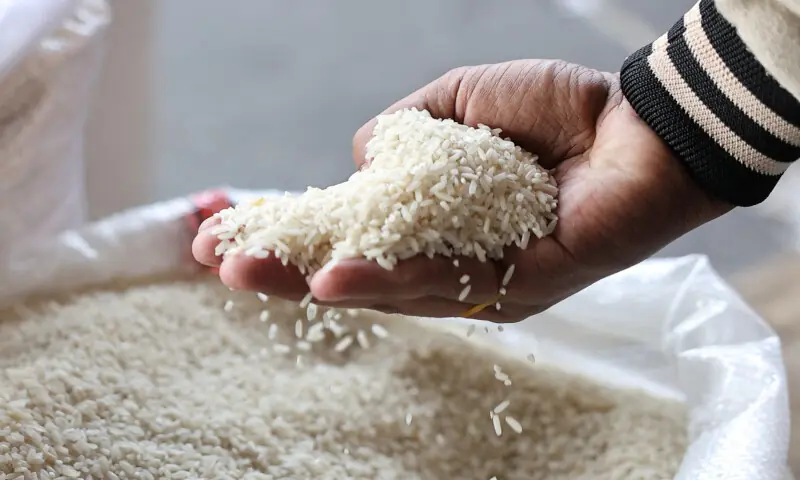
Bangladesh is actively seeking to diversify its rice import sources, recently issuing a tender for the supply of rice from Pakistan. This move comes as the nation aims to stabilize local prices through a series of import initiatives. The tender specifies that the rice must originate from the latest Pakistani harvest and meet stringent quality standards for human consumption.
A Growing Trade Relationship
This isn’t a new development. Pakistan and Bangladesh initiated direct government-to-government rice trade in February, beginning with a 50,000-tonne import deal. Furthermore, during the 9th Joint Economic commission (JEC) meeting last month, Pakistan extended an offer to facilitate Bangladesh’s trade with regional partners like china and Central Asian states by utilizing the Karachi Port Trust.
Global Rice Market Shifts & Pakistan’s Position
The global rice market is experiencing significant shifts, impacting Pakistan’s export performance. Initially, Pakistan’s rice exports experienced a 28% decline in the first quarter of the fiscal year. This downturn was attributed to factors like India resuming rice exports and changes in Pakistani government policies regarding export pricing and taxation.
However,the situation has evolved. Despite India’s re-entry into the market, Pakistan has largely maintained its position in higher-end rice markets, avoiding a direct price war. You’ll find that Pakistani exporters have focused on quality and niche markets.
Opportunities Arising from Trade Policies
Several recent developments present opportunities for Pakistani rice exporters.
* A 50% tariff imposed by the United States on Indian goods, including basmati rice, in August has opened doors for Pakistan to expand its presence in the American market.
* Data indicates that the US already accounts for a ample 24% of Pakistan’s total basmati exports between November 2023 and October 2024.
Understanding the Context: Key Factors at Play
here’s a breakdown of the key factors influencing the current situation:
* Bangladesh’s Import Needs: Bangladesh is proactively securing rice supplies to manage domestic prices.
* India’s Export Policies: Changes in India’s export regulations have impacted global rice trade flows.
* US Tariffs: The US tariffs on Indian goods create a competitive advantage for Pakistani rice in the American market.
* Pakistani Export Strategy: Focusing on quality and high-end markets has helped Pakistan maintain its foothold despite increased competition.
Looking Ahead
You can expect continued volatility in the global rice market. Pakistan’s ability to capitalize on emerging opportunities, such as the US market, will be crucial for sustaining its export performance. Maintaining consistent quality and adapting to evolving trade policies will be key to long-term success.
This evolving landscape requires careful monitoring and strategic adjustments to ensure Pakistan remains a competitive player in the global rice trade.