
Rising Tensions: Deadly Attacks expose Fragile Pakistan-Afghanistan Security Landscape
Recent escalations in violence along the Pakistan-Afghanistan border are raising serious concerns about regional stability. A surge in militant activity, coupled with reciprocal accusations between Islamabad and Kabul, paints a troubling picture. This article delves into the details of the latest attacks, the complex relationship between the Pakistani and Afghan Taliban, and the implications for regional security.
Recent Attacks and Rising Casualties
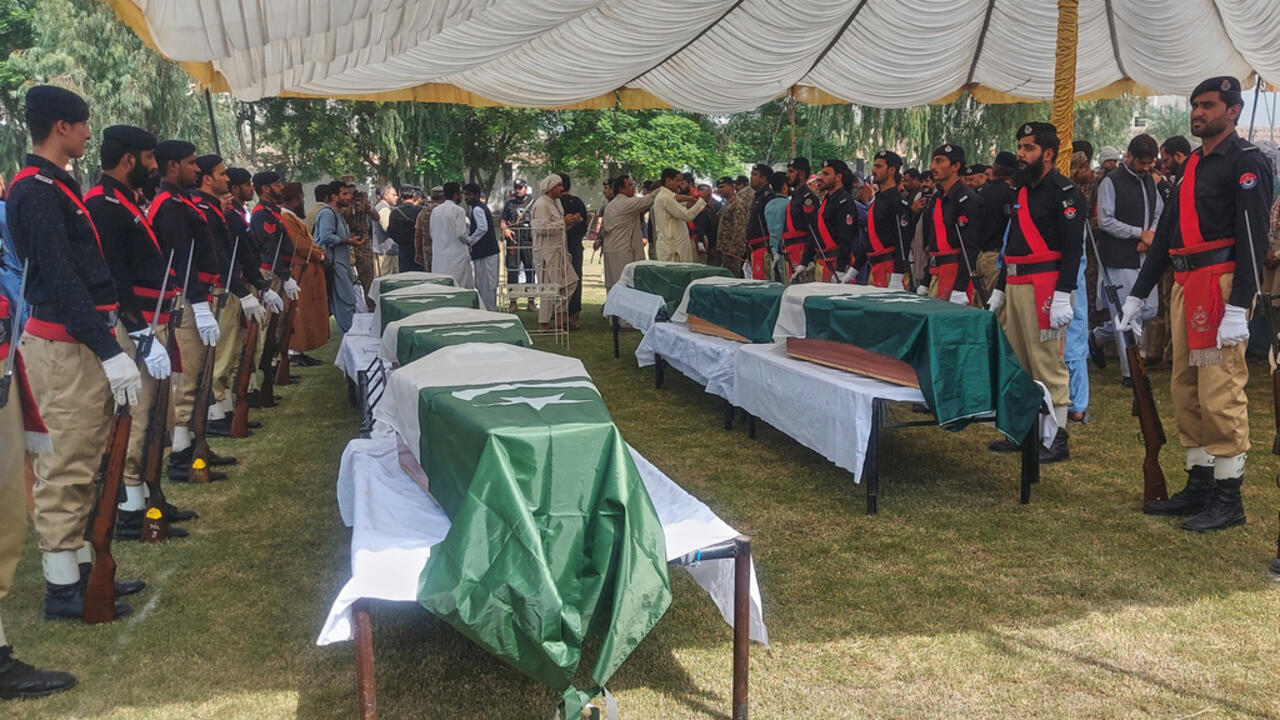
On Friday, a series of coordinated attacks across several districts of Khyber Pakhtunkhwa province in pakistan resulted in the deaths of 20 security officials and three civilians. The Pakistani Taliban, known as Tehreek-e-Taliban Pakistan (TTP), swiftly claimed obligation for the attacks via social media.
These attacks included a devastating suicide bombing targeting a police training school. A vehicle packed with explosives was detonated at the school’s gate, followed by a sustained gun battle. Separately, clashes in the Bajaur district led to further casualties, including civilians.
Specifically, the attacks unfolded as follows:
* khyber District: Eleven paramilitary troops were killed in a direct assault.
* Police Training School: Seven police officers lost their lives in the suicide bombing and subsequent firefight.
* Bajaur District: Five individuals, including three civilians, were killed during a separate confrontation.
These incidents bring the total casualties this week in the border regions to at least 32 Pakistani troops and three civilians – a stark reminder of the escalating violence.
Understanding the Taliban Dynamic
It’s crucial to understand the distinction, yet interconnectedness, of the Taliban groups operating in the region. The Afghan Taliban, currently governing Afghanistan, is separate from the TTP. However, the two groups share a close ideological and operational relationship.
Pakistan alleges that the Afghan Taliban are providing safe haven to TTP militants, allowing them to launch attacks across the border.Kabul vehemently denies these accusations, but Islamabad maintains that it has the right to defend itself against this cross-border militancy.
Afghanistan’s Response and Reciprocal Accusations
Just hours before the attacks in Pakistan, the Afghan Taliban government accused Pakistan of violating Afghan sovereignty. This accusation followed reports of explosions in Kabul, though Pakistan has not officially commented on its involvement.
This exchange of accusations highlights the deteriorating trust between the two nations. The situation is further intricate by Pakistan’s concerns about the TTP’s resurgence since the withdrawal of US-led forces from Afghanistan in 2021.
The Surge in Militancy: A Post-Withdrawal Reality
the withdrawal of international forces from Afghanistan created a power vacuum that the Taliban quickly filled. However, it also emboldened militant groups like the TTP. The porous border between Pakistan and Afghanistan, combined with the Taliban’s alleged reluctance to crack down on TTP fighters, has allowed the group to regroup and launch increasingly frequent and deadly attacks.
You might be wondering why this is happening now.Several factors contribute to this surge:
* Reduced Counterterrorism Pressure: The absence of a strong international presence has lessened the pressure on militant groups.
* Taliban Priorities: The Afghan Taliban are focused on consolidating their power and may not prioritize targeting groups like the TTP that don’t directly threaten their rule.
* Border porosity: The difficult terrain and long, largely unpatrolled border make it easy for militants to cross between the two countries.
What Does This Mean for Regional Stability?
The escalating violence and strained relations between Pakistan and Afghanistan pose a important threat to regional stability. Continued attacks could further destabilize Pakistan,perhaps leading to a broader security crisis.
Furthermore, the lack of cooperation between Islamabad and Kabul hinders efforts to counter terrorism and address the root causes of militancy.A collaborative approach, based on mutual trust and respect, is essential to de-escalate tensions and restore security in the region.
Looking ahead: The situation demands urgent diplomatic engagement and a renewed commitment to cross-border security cooperation. Without a concerted effort to address the underlying issues, the cycle of violence and recrimination is likely to continue, with potentially devastating consequences.
Evergreen Insights: The Long-Term Challenges of Border Security
the challenges facing Pakistan and Afghanistan are not new. For decades, the border region has been a hotbed of militancy and instability. The key to long-term security


![Best Online Ticket Sites: Find Deals & Avoid Scams [2024]](https://i0.wp.com/www.rollingstone.com/wp-content/uploads/2025/02/the-inferno-is-still.jpg?resize=150%2C100&ssl=1 "Best Online Ticket Sites: Find Deals & Avoid Scams [2024]")

