
Balochistan Flooding & Pakistan’s Looming Water Crisis: A Deep Dive
Recent devastating rainfall in Balochistan, Pakistan, has brought both relief and renewed concern. While the downpour ended a prolonged drought,it also triggered tragic accidents – including a highway collision near Noshki resulting in at least two fatalities and multiple injuries – and widespread disruption. This event underscores a critical, frequently enough overlooked reality: Pakistan is facing a rapidly escalating water crisis with profound implications for public health and national stability.
This article will delve into the immediate aftermath of the Balochistan flooding, explore the broader context of Pakistan’s dwindling water resources, and examine the urgent steps needed to mitigate this growing threat.
The Balochistan flooding: Immediate Impacts & response
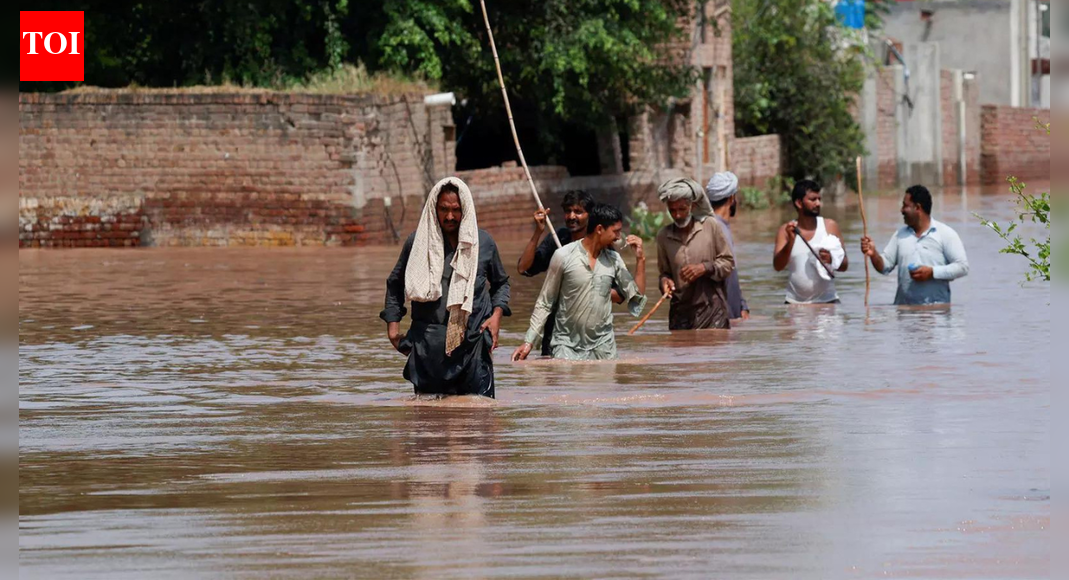
On december 21st, 2024, heavy rainfall swept across Balochistan province, bringing a temporary reprieve from a severe dry spell.However, the intensity of the showers quickly overwhelmed infrastructure. Roads were flooded,traffic ground to a halt,and large swathes of Quetta experienced power outages. Mobile networks were also severely disrupted, hindering communication.
The most heartbreaking result was a tragic road accident in the Noshki district. A passenger waggon travelling from Quetta to Chagai skidded on the rain-slicked highway and collided with an oncoming truck. Initial reports confirm at least two deaths and five injuries, with two critically injured passengers transported to Quetta for advanced medical care. Civil hospital officials reported treating at least eight individuals injured in rain-related incidents.
Beyond the immediate casualties, low-lying areas, particularly those with vulnerable housing, were inundated, forcing residents to cope with water damage and displacement. Several districts – including Ziarat,Pishin,Kalat,Zhob,Mastung,and Sibi – experienced prolonged power outages,exacerbating the hardship.
Pakistan’s Water Crisis: A Nation Under Pressure
The Balochistan flooding, while dramatic, is a symptom of a much larger, systemic problem. Pakistan is rapidly transitioning from a water-stressed to a water-scarce nation. The statistics are alarming:
* Declining Per Capita Availability: In 1951, Pakistan enjoyed a per capita freshwater availability of 5,260 cubic metres. Today, that figure has plummeted to below 1,000 cubic metres – a level considered indicative of absolute water scarcity.
* Limited Access to Safe Water: A staggering 53% of the Pakistani population lacks access to safe drinking water. This forces communities to rely on contaminated sources, leading to widespread illness.
* Public Health Crisis: Unsafe water is a major driver of disease in Pakistan, accounting for nearly 40% of all illnesses and contributing to tens of thousands of preventable child deaths annually.
Experts at a recent seminar organized by the Pakistan Institute of Development Economics (PIDE) in Islamabad highlighted the urgency of the situation. Dr. Hifza Rasheed of the Pakistan Council of Research in Water Resources warned that the current trajectory is unsustainable and demands immediate, comprehensive action.
Addressing the Crisis: A Multi-Pronged Approach
Solving Pakistan’s water crisis requires a multifaceted strategy encompassing infrastructure development, policy reform, and behavioral changes. Here are key areas of focus:
* water Storage & Conservation: Investing in new dams and reservoirs is crucial, but must be coupled with aggressive water conservation measures. This includes promoting efficient irrigation techniques in agriculture (wich accounts for the vast majority of water usage), reducing industrial water waste, and encouraging responsible water consumption in households.
* Water Quality Management: Strengthening water quality monitoring and treatment facilities is paramount. Addressing industrial pollution and improving sanitation systems are essential to ensure access to safe drinking water.
* Groundwater Regulation: Unregulated groundwater extraction is depleting aquifers at an alarming rate. Implementing strict regulations and promoting sustainable groundwater management practices are vital.
* Policy & Governance: Effective water management requires strong governance and inter-provincial cooperation. A national water policy that prioritizes sustainability and equitable distribution is urgently needed.
* Climate Change Adaptation: Pakistan is highly vulnerable to the impacts of climate change, including more frequent and intense droughts and floods. Investing in climate-resilient infrastructure and developing adaptation strategies are essential.
Evergreen Insights: The Future of Water Security in Pakistan
The challenges facing Pakistan’s water resources are not unique, but the scale and speed of the crisis demand urgent attention. Looking ahead, several key trends will shape the future of water security in the country:
* Population Growth: Pakistan’s rapidly growing population will place increasing strain on already limited


