
The Unfolding Reality in Gaza: A Poet’s Testimony Beyond the Headlines
The recent resumption of hostilities in Gaza, following a brief ceasefire, has once again thrust the region into the global spotlight. While mainstream media frequently enough frames events through a geopolitical lens, the human cost – the daily terror, the shattered lives, and the enduring trauma – frequently remains obscured. A powerful new episode of the PalCast podcast, titled “Ther’s No Ceasefire outside My Window,” cuts through the noise, offering a raw and unfiltered perspective directly from the heart of the conflict. Featuring the poignant voice of 20-year-old Gazan poet and writer, Hala Al-Khatib, this conversation with hosts Yousef and Tony is a vital reminder of the human stories behind the statistics.
This isn’t simply a report about the conflict; it’s a visceral experience of it. Hala’s testimony transcends the typical news cycle, providing a crucial counter-narrative to dominant Western media portrayals. it’s a testament to the power of firsthand accounts in understanding the complexities of war and its devastating impact on civilian populations.
Life Under Siege: A window into Unimaginable Loss
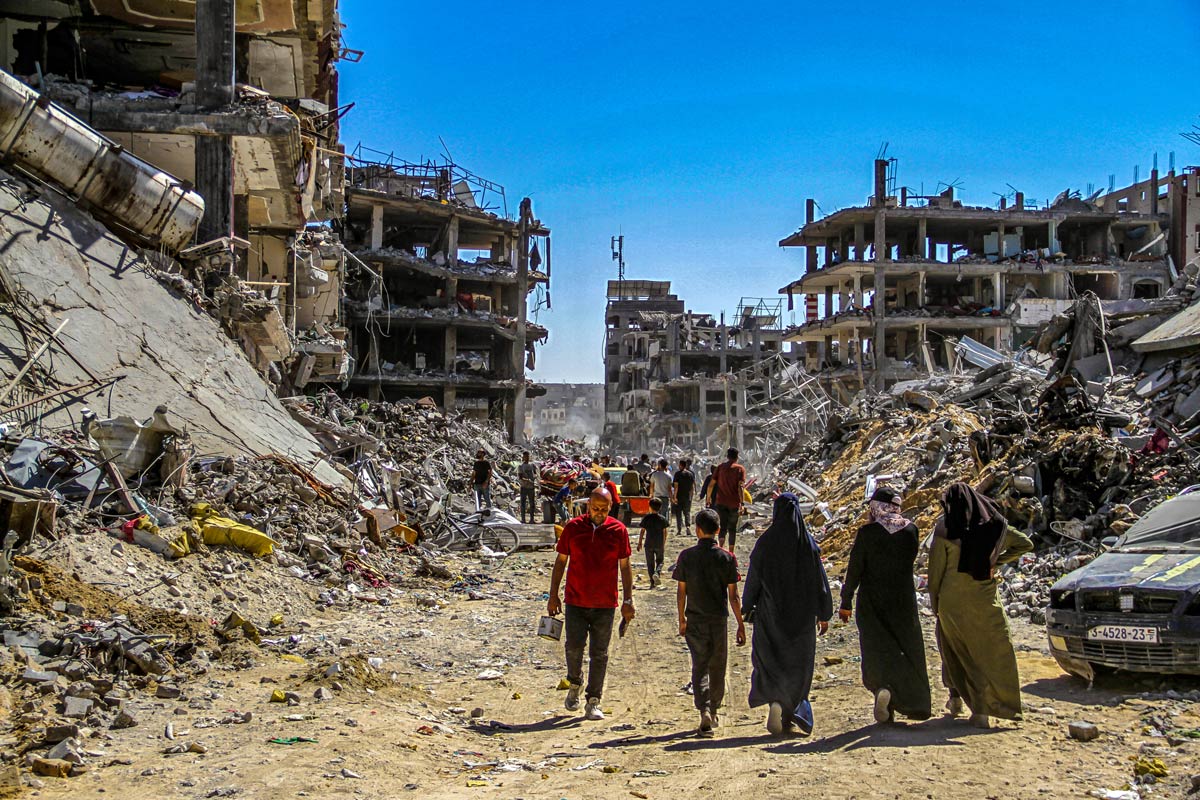
Hala’s story is one of resilience forged in the crucible of relentless violence. she describes the chilling reality of witnessing Israeli tanks advance amidst the ruins of her home, a scene that has become tragically commonplace for Gazans. Earlier in the conflict, Hala herself was injured in an airstrike, a stark illustration of the indiscriminate nature of the violence.Her family home, though damaged, became a refuge for her sisters and aunt, all displaced and grieving the loss of their own homes and loved ones.
The episode details the heartbreaking loss of Hala’s relative, Omar Al-Rubi, his wife, and their children, killed when their tent was bombed in Deir al-Balah. This isn’t an isolated incident; it’s part of a pattern of civilian casualties that demands attention and accountability. Hala’s unwavering commitment to sharing her reality, and the reality of her community, is a powerful act of resistance against distorted narratives. She emphasizes the critical need for Palestinians to control their own stories, ensuring their voices aren’t lost in the din of international politics.
Understanding the Context: The Humanitarian Crisis in gaza
The situation in Gaza has been deteriorating for years, marked by a prolonged blockade and recurring cycles of violence. Organizations like the United Nations Relief and works Agency for Palestine Refugees in the Near east (UNRWA) have been working tirelessly to provide humanitarian assistance, but the scale of the need consistently overwhelms resources. The recent escalation has exacerbated an already dire situation, leading to widespread displacement, shortages of essential supplies, and a rapidly escalating health crisis. For a deeper understanding of the past context and ongoing challenges, explore resources from Human Rights Watch.
The Psychological Scars of Constant Threat
Beyond the physical destruction, the podcast powerfully illuminates the psychological toll of living under constant threat. Hala describes the pervasive fear that grips the community, the sleepless nights spent bracing for the next attack, and the desperate attempts to shield children from the trauma. She shares how families are actively teaching children coping mechanisms to manage their fear – a heartbreaking necessity in a war zone.
The episode also offers a glimpse into the personal dreams deferred by the conflict. Hala was preparing for her wedding, a moment of hope and joy, when violence forced her to postpone her plans.Despite this setback, she remains resolute to continue her studies in english literature and rebuild her life with her fiancé, while also providing support for the children of her late relatives. This resilience, this unwavering hope in the face of unimaginable loss, is perhaps the most compelling aspect of Hala’s story.
Amplifying Palestinian Voices: Why This matters
PalCast’s commitment to amplifying palestinian voices is crucial in a media landscape often dominated by external perspectives. “There’s no Ceasefire Outside My Window” isn’t just about reporting the news; it’s about humanizing the conflict and fostering empathy. It’s a reminder that behind every headline, there are individuals with hopes, dreams, and families who are suffering immensely.
By providing a platform for Hala Al-Khatib, PalCast is challenging the dominant narratives and offering a more nuanced and accurate understanding of the situation in Gaza. This type of journalism – deeply human, rigorously honest, and committed to amplifying marginalized voices - is essential for promoting peace and justice.


