The Fragmented Reality of the West Bank adn the Future of a Two-State Solution
The prospect of a two-state solution – a sovereign Palestinian entity existing alongside Israel – often feels distant when considering the current realities on the ground in the West Bank. While not an unachievable vision, achieving this objective faces seemingly insurmountable obstacles. The situation has become increasingly complex and, frankly, inextricable.
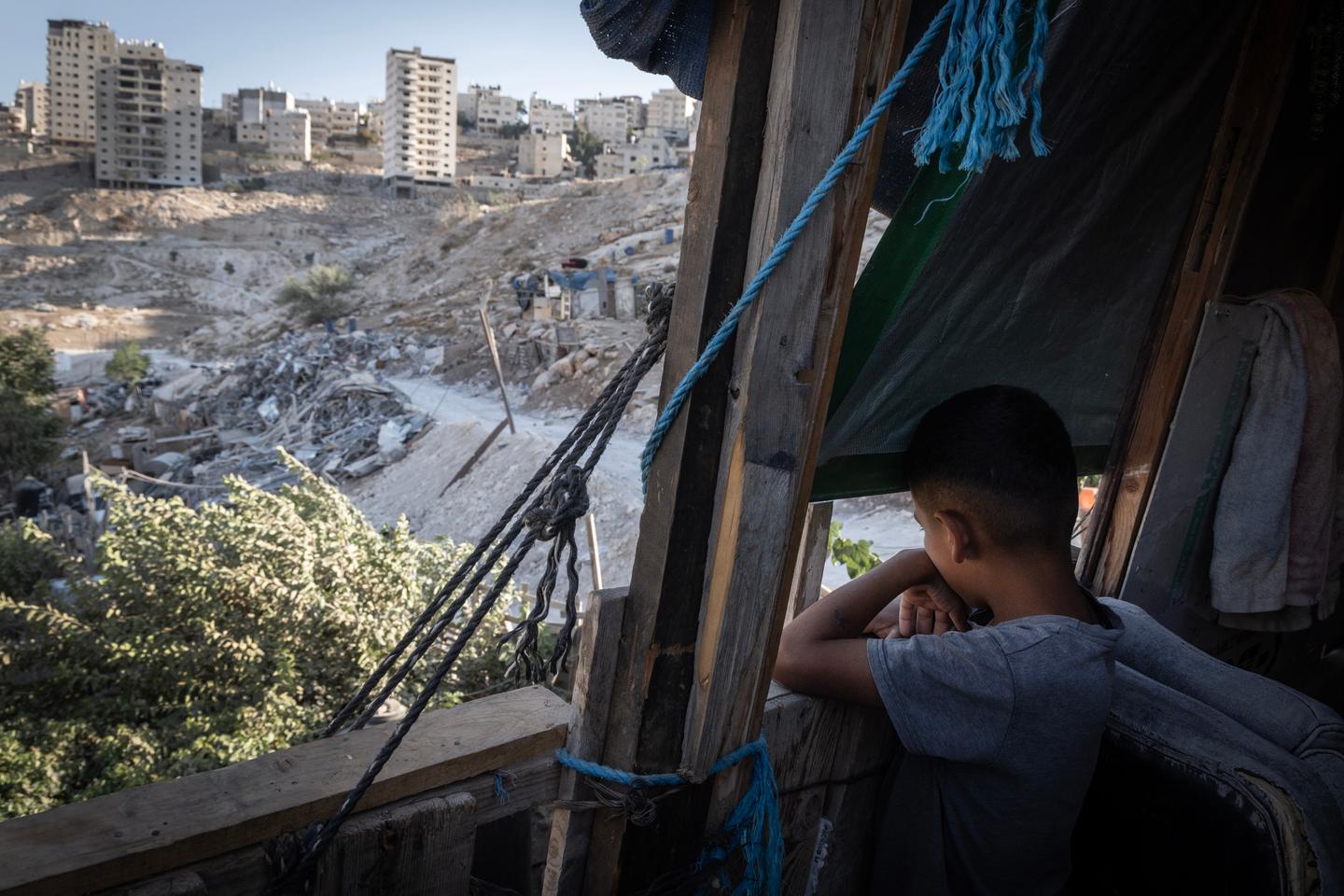
Simply observing a map reveals the core of the problem. Israeli-occupied territories since 1967 are now heavily fragmented. Colonies steadily encroach upon Palestinian land, checkpoints disrupt movement, and hundreds of kilometers of walls dissect the region. These divisions create a patchwork of areas under differing administrative and security control, yet the Israeli military maintains pervasive intervention.
Furthermore, this overview doesn’t even account for the thousands of barriers erected by Israeli authorities, restricting palestinian freedom of movement. Consequently, the West Bank, from north to south and encompassing the strategically vital Jerusalem region, resembles a colossal, unsolvable puzzle.
A Landscape of Division
Within this complex terrain, antagonistic populations coexist. Approximately 3 million Palestinians live alongside 500,000 Israeli settlers. These settlers reside in 141 colonies, deemed illegal under international law, and 224 “outposts” – considered illegal even by Israeli law. This creates a volatile and deeply challenging environment.
The eastern part of Jerusalem, occupied and annexed by Israel in 1967, is particularly contentious. Palestinians claim it as the capital of their future state,adding another layer of complexity to the already fraught situation.
Here’s a breakdown of the key factors contributing to the fragmentation:
Colonial Expansion: Continuous construction and expansion of Israeli settlements.
Checkpoint Network: Extensive checkpoint system hindering Palestinian movement.
Separation Barrier: Hundreds of kilometers of walls dividing communities.
Military Intervention: Frequent and unrestricted Israeli military presence.
Restricted access: Thousands of barriers limiting Palestinian freedom of movement.
Implications for a Two-State Solution
these physical and logistical realities pose significant challenges to the viability of a two-state solution. How can a contiguous, sovereign Palestinian state be established when the territory is so fragmented? The current landscape makes it incredibly challenging to envision a future where both Israelis and Palestinians can live securely and peacefully.
You might be wondering what the ancient context is. The Oslo Accords in the 1990s aimed to establish a framework for a two-state solution, dividing the West Bank into Areas A, B, and C. Though, the continued expansion of settlements and the construction of the separation barrier have significantly altered the landscape as then, undermining the original agreements.
Understanding the Key Terms
Let’s clarify some critically important terminology:
Settlements: Israeli communities built on land occupied in 1967.
Outposts: Settlements established without official Israeli government authorization, often considered illegal even under israeli law.
Checkpoints: Controlled crossing points restricting movement between areas.
* Separation Barrier: A wall and fence system built by Israel, citing security concerns.
Frequently Asked Questions
Here are some common questions regarding the situation in the West Bank and the two-state solution:
1. What is the legal status of Israeli settlements in the West Bank?
Israeli settlements are considered illegal under international law, though Israel disputes this.
2.How does the separation barrier impact Palestinian lives?
The barrier restricts Palestinian movement, separates families, and hinders access to essential services.3. what are the main obstacles to achieving a two-state solution?
Continued settlement expansion, the status of Jerusalem, and security concerns are major obstacles.
4. What is the role of the international community in resolving the conflict?
The international community attempts to mediate and promote negotiations, but progress has been limited.
5. What are “outposts” and how do they differ from settlements?
Outposts are settlements built without official Israeli government approval, making them illegal under Israeli law as well.
6. What is Area C in the West Bank and why is it significant?
Area C, under full Israeli control, comprises approximately 60