
The Gaza Hostage and Prisoner Exchange: A Complete Analysis (October 14, 2025)
The culmination of intense negotiations, brokered primarily by the United States, has resulted in a landmark exchange of hostages and prisoners between Israel and Hamas. As of today, October 14, 2025, the final stages of this complex agreement have been completed, marking the most important progress in efforts to de-escalate the two-year conflict in Gaza. This article provides a detailed analysis of the exchange, its implications, and the path forward. The core of this event revolves around prisoner exchange, a deeply sensitive and politically charged issue with a long history in the Israeli-Palestinian conflict.
Understanding the Scope of the Exchange
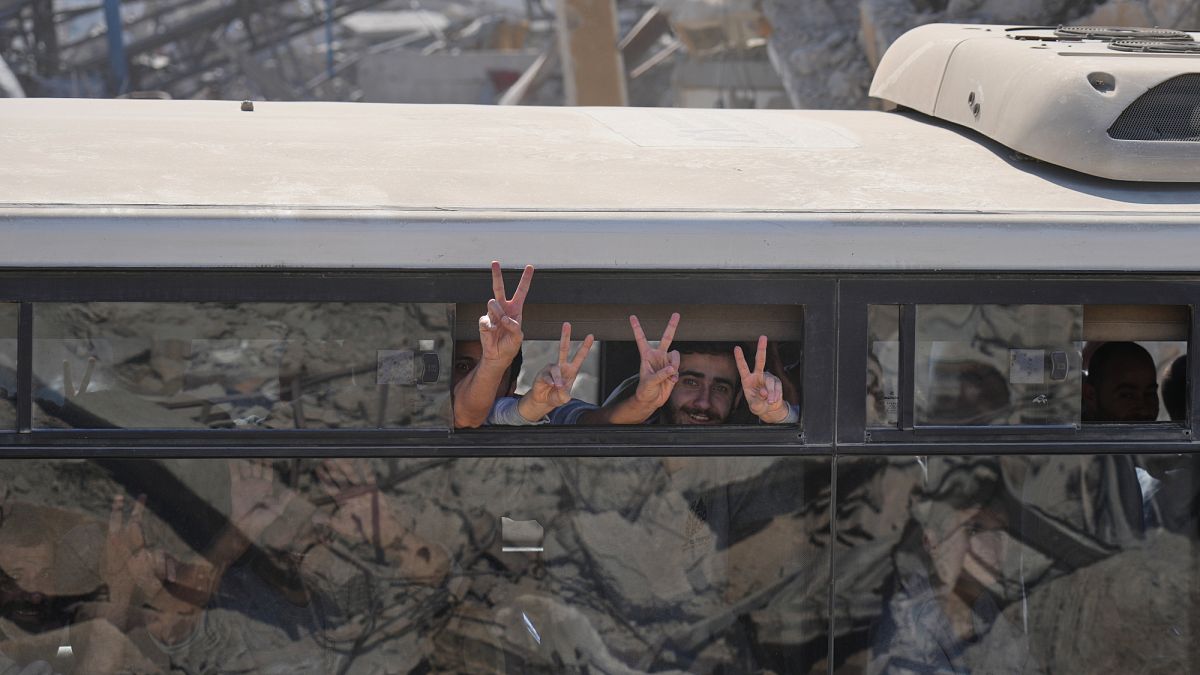
The recent agreement saw the release of 20 living Israeli hostages held by Hamas in Gaza, alongside the remains of 28 Israelis who tragically died in captivity. In return, Israel freed 250 Palestinian prisoners convicted of serious crimes, alongside approximately 1,700 detainees held in Gaza, including 22 minors, and the bodies of 360 militants. Videos circulating from the Palestinian news agency Wafa, and corroborated by international news outlets like the Associated Press https://apnews.com/, vividly depicted emotional scenes of reunions as families embraced their loved ones after years of separation.
Did You Know? The scale of this prisoner exchange is unprecedented in recent Israeli-Palestinian history, exceeding previous agreements in both the number of hostages released and the number of Palestinian prisoners freed.
This exchange isn’t simply a numerical transaction. It represents a complex calculus of political pressure, humanitarian concerns, and strategic considerations. The release of individuals convicted of “serious crimes” by Israel has sparked considerable debate within Israel, with victims’ families expressing anguish and questioning the moral implications. Conversely, for Palestinians, the release of prisoners is viewed as a vital step towards justice and self-determination.
The Ceasefire Agreement and Phase One Implementation
The hostage and prisoner exchange is intrinsically linked to the implementation of a phased ceasefire agreement. This initial phase, currently underway, focuses on a complete halt to hostilities for a defined period, allowing for the delivery of humanitarian aid to gaza. according to recent reports from the United Nations Relief and Works Agency for Palestine Refugees in the Near East (UNRWA) https://www.unrwa.org/, the humanitarian situation in Gaza remains dire, with over 80% of the population displaced and facing severe shortages of food, water, and medical supplies.
| Aspect | Israel | Hamas |
|---|---|---|
| Hostages Released | 20 Living, Remains of 28 | N/A |
| Prisoners/Detainees Released | 250 (Serious Crimes), ~1700 (Gaza Detainees) | N/A |
| Ceasefire Phase | Complete Halt to Hostilities (Phase 1) | Complete Halt to Hostilities (Phase 1) |
The success of Phase One is crucial for building trust and paving the way for subsequent phases, which are expected to address longer-term issues such as the reconstruction of Gaza, the lifting of the blockade, and a potential resumption of peace negotiations.Though, the fragility of the ceasefire is a major concern. Past ceasefires have repeatedly collapsed due to violations by both sides, highlighting the deep-seated mistrust and the complex web of political and security challenges.
Pro Tip: Monitoring autonomous sources like the UNRWA and the International Commitee of the Red Cross (ICRC) https://www.icrc.org/ is essential for obtaining unbiased information about the situation on the ground.
The Role of International Mediation and Future prospects
The U.S.-brokered deal underscores the critical role of international mediation in resolving the Israeli-Palestinian conflict. Qatar and Egypt also played significant roles





